

Short Film Creation: Animation & Directing
In the Short Film Creation course you'll be animating a teaser trailer. Students will collaborate as a full production team, animators, artists, and composers, building the project from concept to final cut. It’s fandom, craft, and industry-level storytelling all in one epic experience.
Please submit your portfolio to enroll in the course.
Start date
October 2, 2026
Duration
16 weeks
Price per month
415€/month (excl. VAT)
![Short Film Creation: [hl]Animation & Directing[/hl]](https://animationclub.school/wp-content/uploads/2026/07/Criticalrole_highseas_firewall-ezgif.com-resize.gif)
About the course
A Collaborative Studio Experience Between Students and Industry
The Studio Production Lab is designed to bridge the gap between education and professional animation production. In this program, students train inside a collaborative studio-style environment, working through real production pipelines used in the animation industry.
We are happy to say we are partnered with Lihter Studio to give students the edge they need to kickstart their carrier in the animation industry. Lihtar Studio, a Paris-based 2D animation collective known for its work with major platforms such as HBO, Amazon, Netflix, and Adult Swim, to create short animated films.
Students work alongside mentors and production teams to develop animated short films, gaining hands-on experience in directing, visual storytelling, layout, animation, production planning, and team collaboration. The program follows professional studio workflows, helping students understand how animated projects move from concept to final film.
Through this production-based approach, students learn how to communicate ideas visually, direct scenes, collaborate across departments, and solve creative and technical challenges within a team environment.
Next term, students will collaborate on a Animated teaser Hollow Knight.
Projects created within the Studio Production Lab are submitted to international competitions and animation festivals, serving as professional portfolio pieces and collaborative production credits for participating students.
Beyond technical growth, the experience of contributing to a real animated production helps students build confidence, teamwork, and practical production knowledge, preparing them for future studio environments and independent film projects.
Collaboration Model
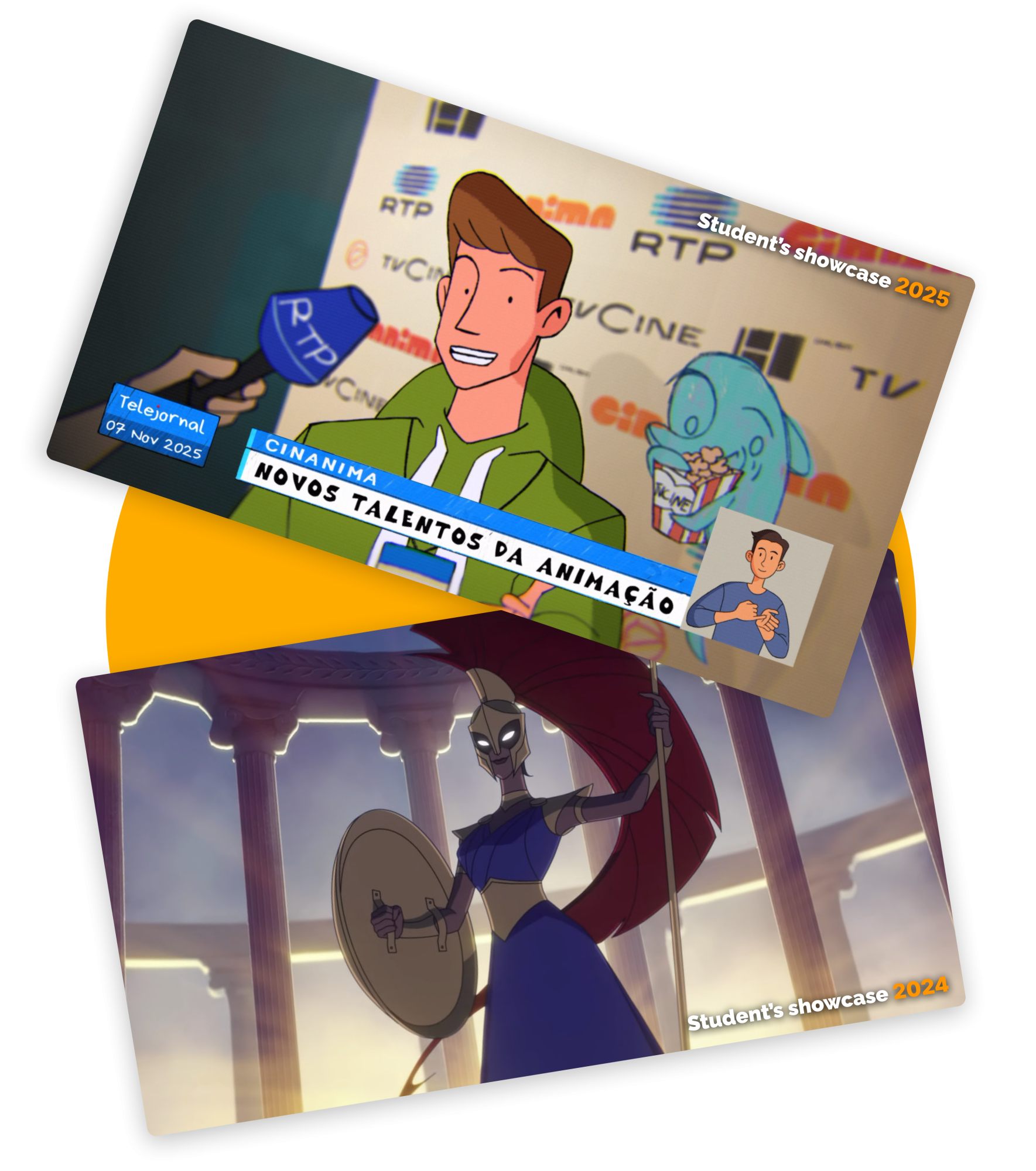
What makes this program unique is that the students will work alongside an animation studio to create a short film. This production model has already led to student works being featured in international festivals in previous years, including selections at Insomnia Festival and the Academy Award-qualifying Cinanima International Animation Festival.
Students
- Take on production roles
- Create assets and shots
- Contribute to the final film
Mentors
- Provide direction and feedback
- Review work in production cycles
- Ensure quality and consistency
Studios
- Guide the themes of the production
- Production schedules mirror industry timelines
- Roles and responsibilities match professional teams
This structure allows students to experience how real productions operate while still being supported in a learning environment.
In which direction can you participate in the project?
Visual Development
- creating visual effects for the film: Character Design, Prop Design, Background Design, Still Frames.
Animation
- producing rough and clean animation for the project.
Throughout the 4-month duration, the work is divided into stages, where one team completes their part of the work and passes it on to another. In any team, you will learn to work in studio conditions and see the project through to completion.
All project teams exchange ideas throughout the course, working on creating a color script, background layouts, character layouts, character and background coloring, and so on.
How It Works
Students join a production team where their work is:
- Guided by experienced mentors
- Structured around a real animation pipeline
- Aligned with professional studio expectations
Mentors act as both:
- Educators teaching the craft of animation
- Supervisors ensure production quality throughout the pipeline.
This creates a hybrid environment where students are:
→ Learning
→ Practicing
→ Contributing
Building confidence in applying their skills in a studio environment.
Portfolio Level
This program is best suited for artists who already have a solid foundation in animation and are ready to step into a real production environment. Applicants are reviewed through a portfolio submission to ensure a good fit for the team and the project's scope.
Below are examples of the kind of work that reflects a strong application:

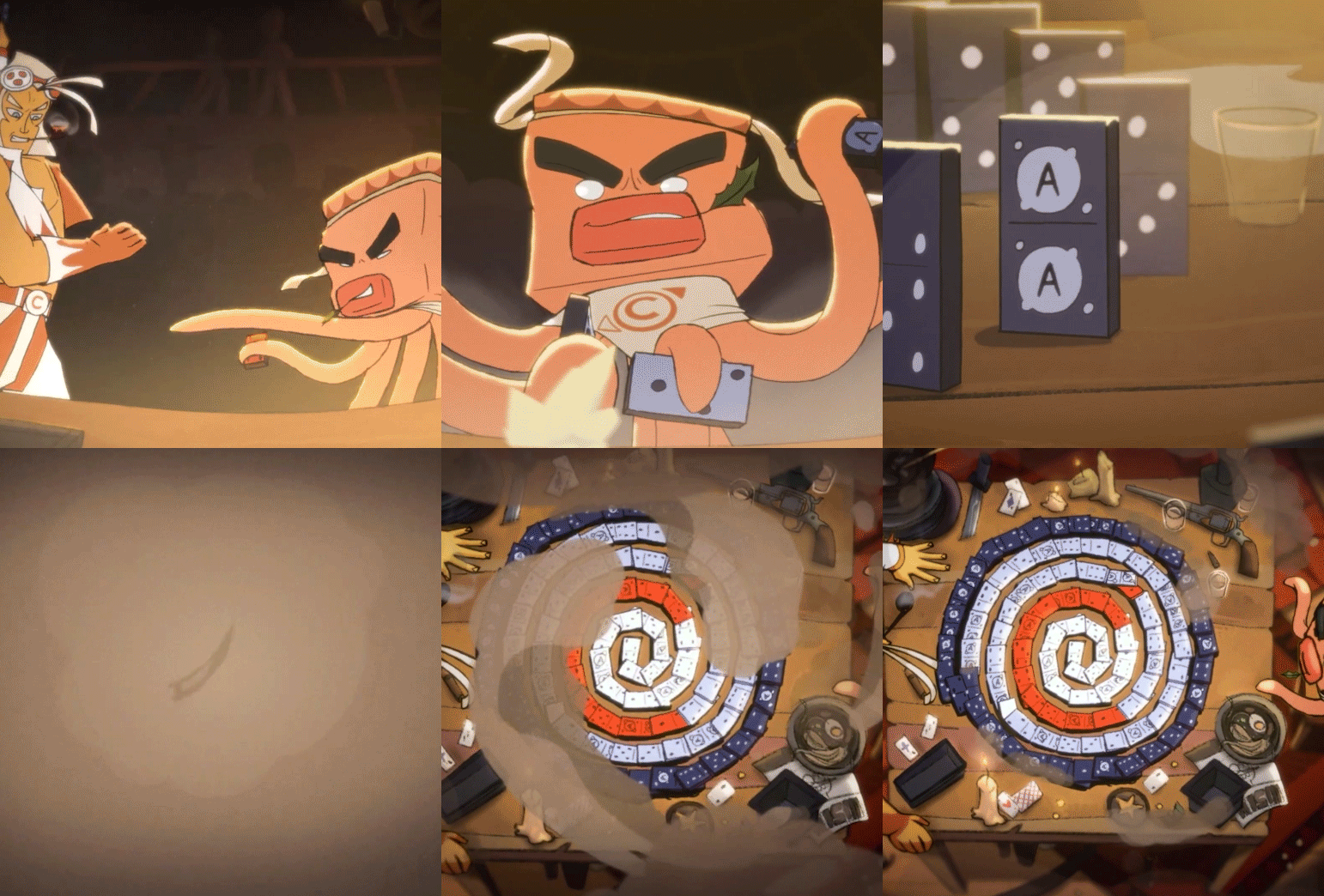
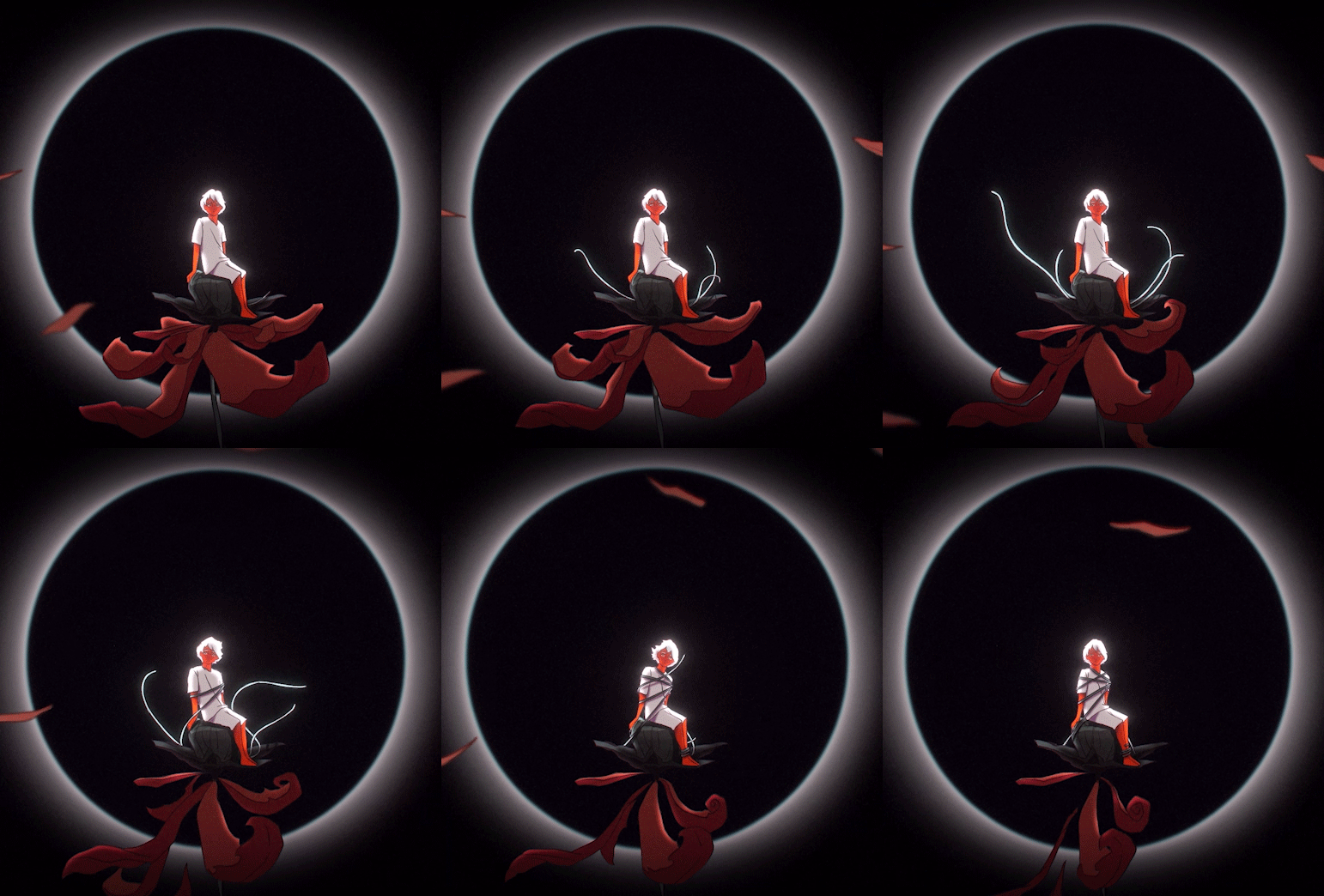
◾ Acting in Animation Course 3 Graduates
Not sure if your work is the right fit? Feel free to reach out!
We're happy to give you a sense of where you stand before you apply.

The course is suitable if you:
-
Graduate of Tradiation Animation or CG Courses
You already have strong drawing or concept art fundamentals and want to apply your skills in a real production pipeline. This course gives you hands-on experience working collaboratively on a short film project. Great for students who have complete all our Traditional Animation Course
-
Want real studio-style production experience
You’re ready to move beyond isolated exercises and participate in the creation of a complete animated short film, from concept development to final polish.
-
An Ambitious Indie Studio
You want to improve the quality of your skills to work better with your team’s animation output. Being able to produce stronger, more dynamic animation with better efficiency while working in a learning enviorment.
-
Graduate of "Acting in Animation" Course
You already understand the basics of animation and character performance, and now you’re ready to take your skills further through real production experience. In this program, you’ll work with a team on a short film project and create strong portfolio pieces in a studio-style environment.You’ll gain hands-on experience in a professional animation pipeline while improving your artistic, storytelling, and collaboration skills.
-
Application Process
The Studio Production Lab is selective. Applicants submit: Portfolio work, Area of interest, Preferred role or track Students are then placed into teams to ensure balanced production across departments.
![The course is [hl]suitable[/hl] if you:](https://animationclub.school/wp-content/uploads/2025/09/After_course_short_film_1.png)
Program Structure
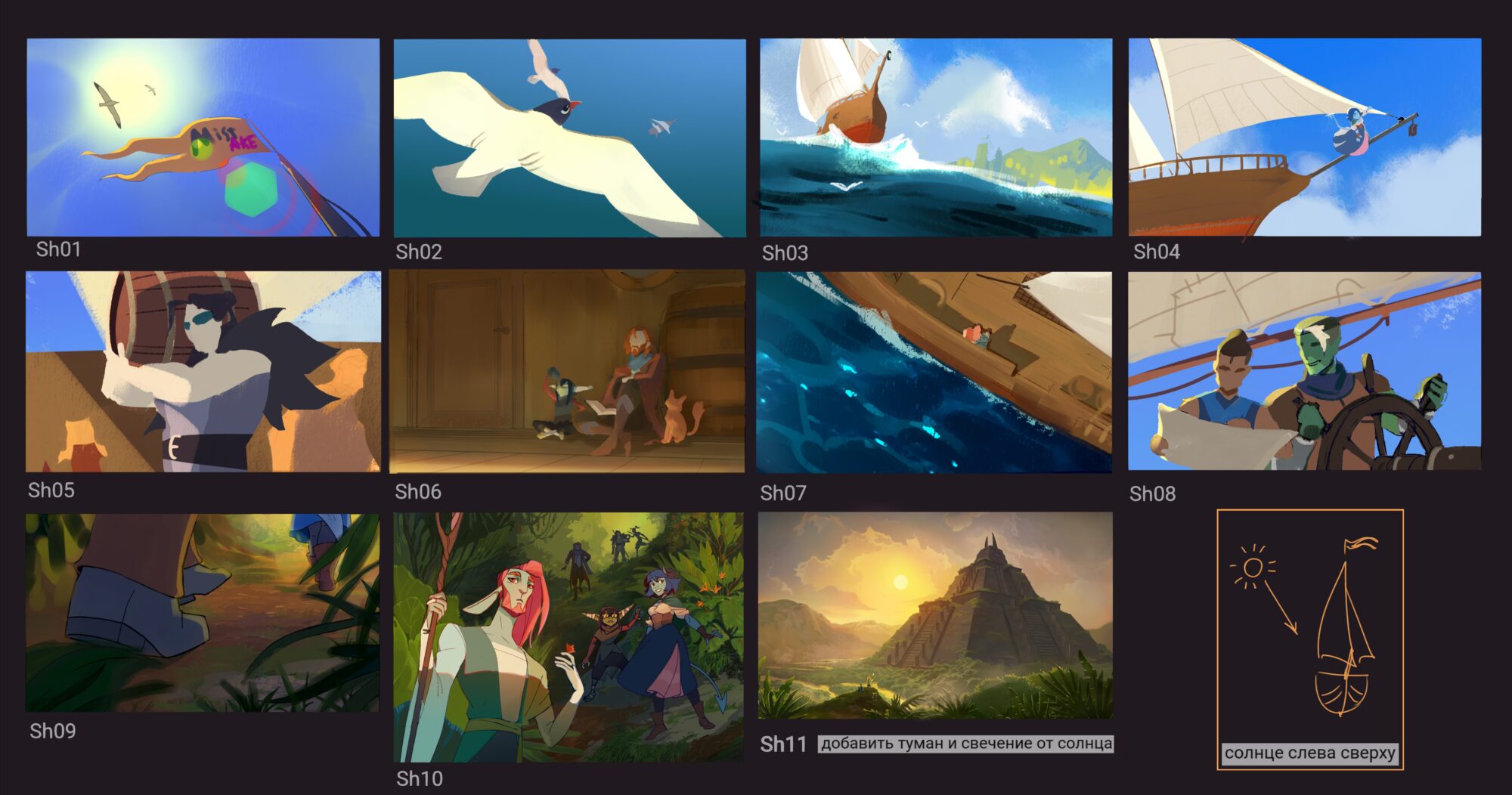
Phase 1: Development
3 lessons
- Team structure & Story ideation: Define production roles and organize the workflow then develop the concept, themes, and core narrative.
- Storyboarding: Along with the visual development team you will create the pacing and animatic.
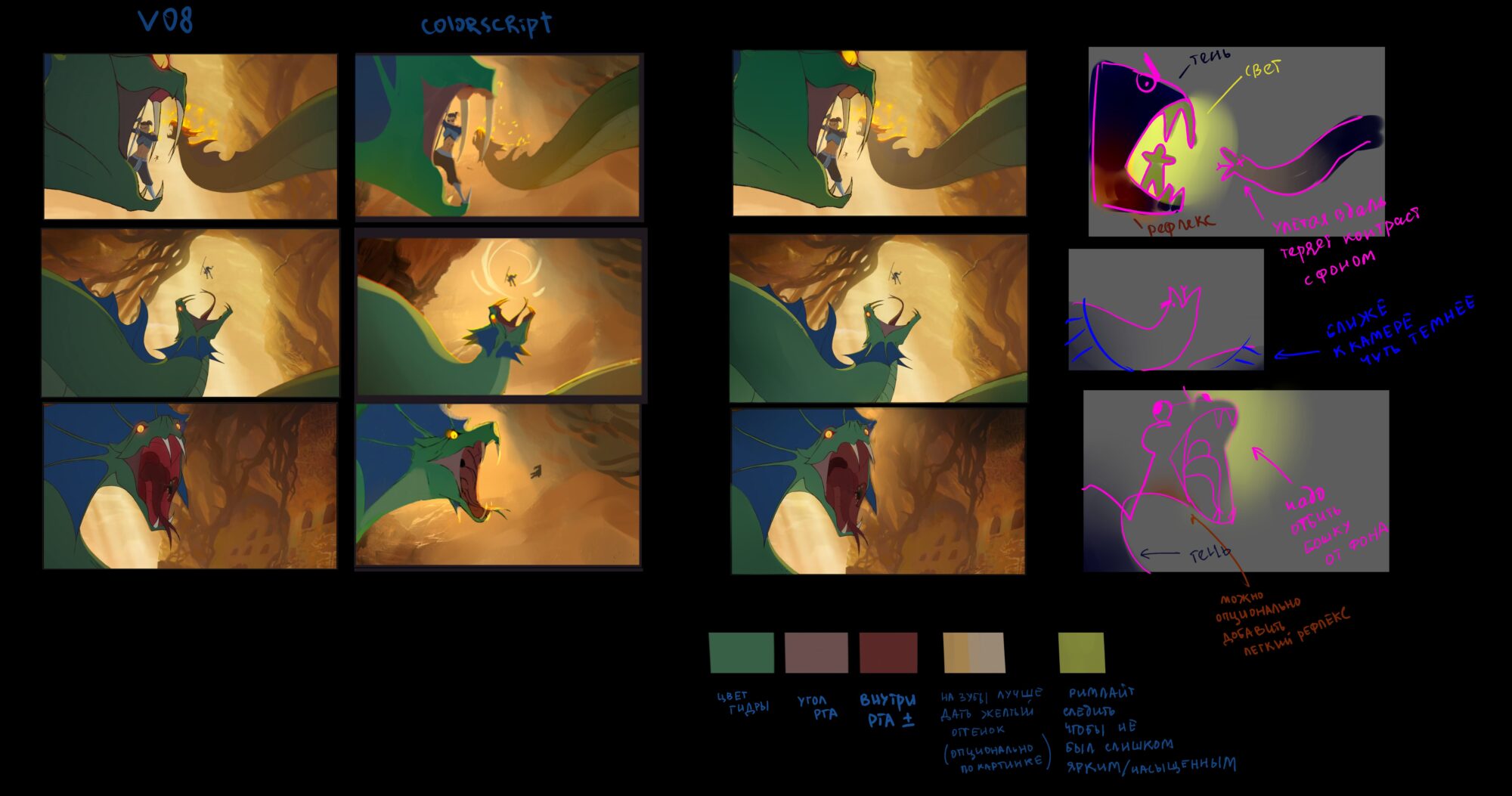
- Color script. Establish mood, atmosphere, and emotional tone through color design.
-

1-month (8+ hours per week for homework recommended)
-
Together with the visual development team, start creating a project idea, create a storyboard, layout and develop a color palette for the future project


Phase 2: Rough Animation
4 lessons
- Working with Director’s Storyboards. Translate storyboards into production-ready animated sequences while maintaining storytelling, staging, and cinematic clarity.
- Layout. Build scene composition, camera placement, and character staging to support movement and visual storytelling.
- Rough Animation. Develop animation passes that establish timing, motion, acting, and scene pacing.
-
Blocking / Passes. Build animation from rough blocking to refined, polished movement.
-
1-2 month (8+ hours per week for homework recommended)
-
By the end of this phase: Students will complete animated sequences from storyboard to polished production shots while learning how layout, animation, and story departments collaborate within a professional studio pipeline.
Phase 3: FX Animation & Clean up
3 lessons
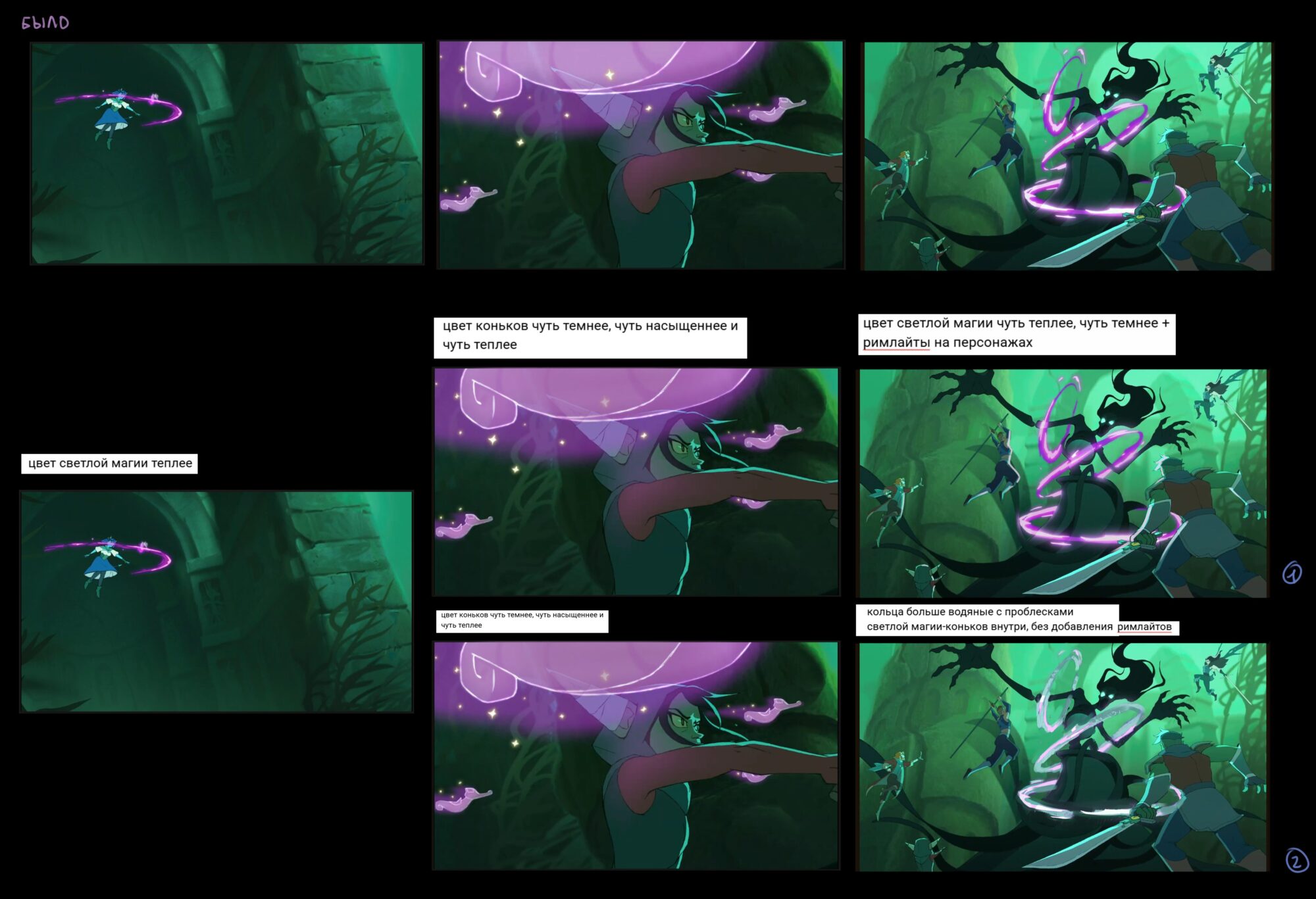
- FX Design. Develop effects concepts that support mood, impact, and visual storytelling.
- FX Animation. Create animated effects such as smoke, energy, debris, lighting, and environmental motion.
- Cleanup & Color. Refine animation with polished linework and finalize color for production-ready scenes.
-
1-2-month (8+ hours per week for homework recommended)
-
By the end of this phase,Students will create production-ready effects animation and integrate it into animated scenes, gaining hands-on experience working with FX pipelines inside a collaborative short film production.
Phase 4: Compositing
4 lessons
- Compositing. Combine animation, effects, lighting, and backgrounds into cohesive final scenes.
- Editing. Assemble sequences, refine pacing, and strengthen storytelling through cinematic timing and transitions.
- Final Polish. Apply the finishing touches to prepare the short film for presentation and showcase.
- Creating “The Making Of”. Document and present the creative and production process behind the film.
-
1-month (8+ hours per week for homework recommended)
-
By the end of this phase: Students will complete the post-production process by compositing scenes, refining editing and pacing, and applying final polish to prepare the short film for presentation, festival submission, or portfolio showcase.
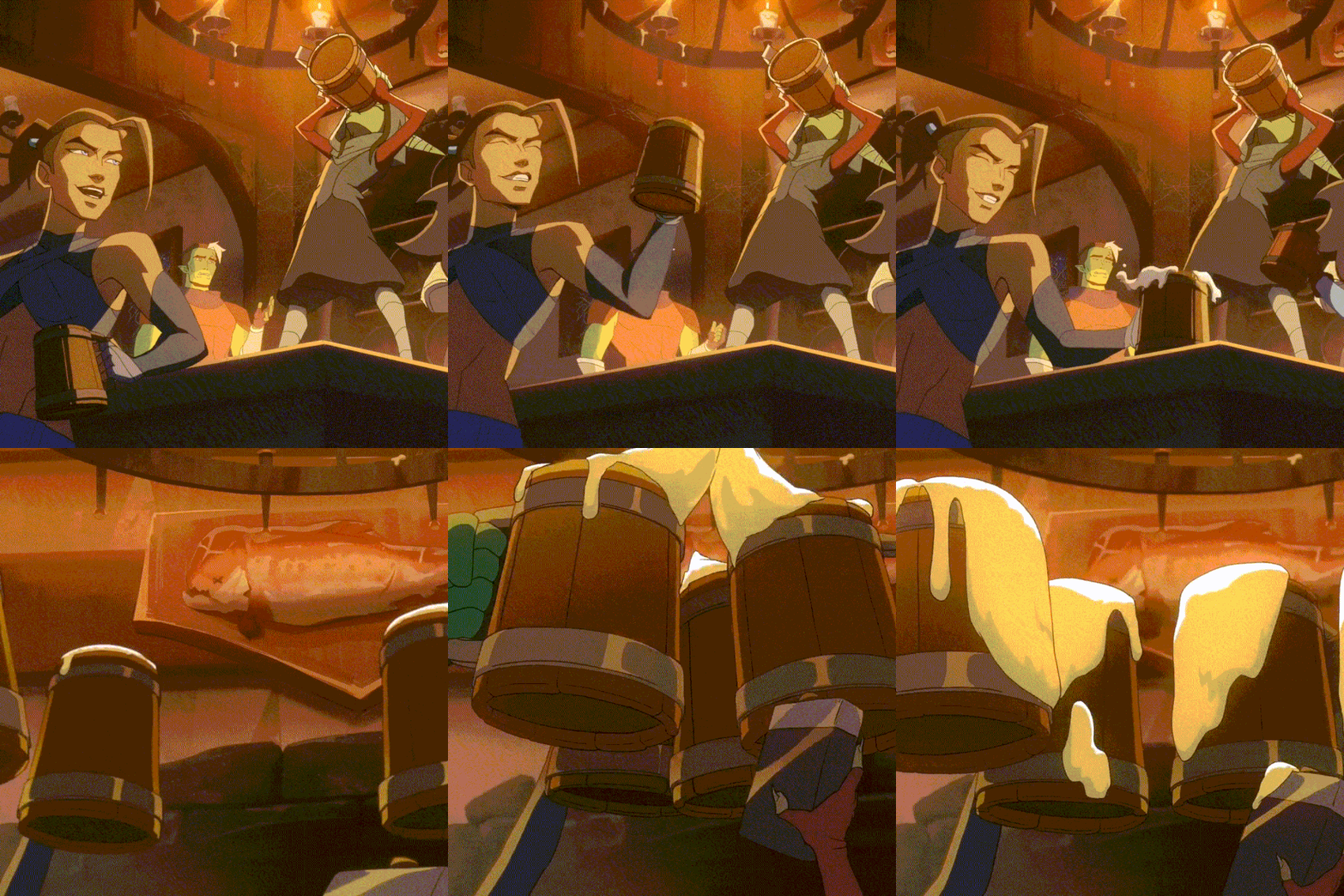

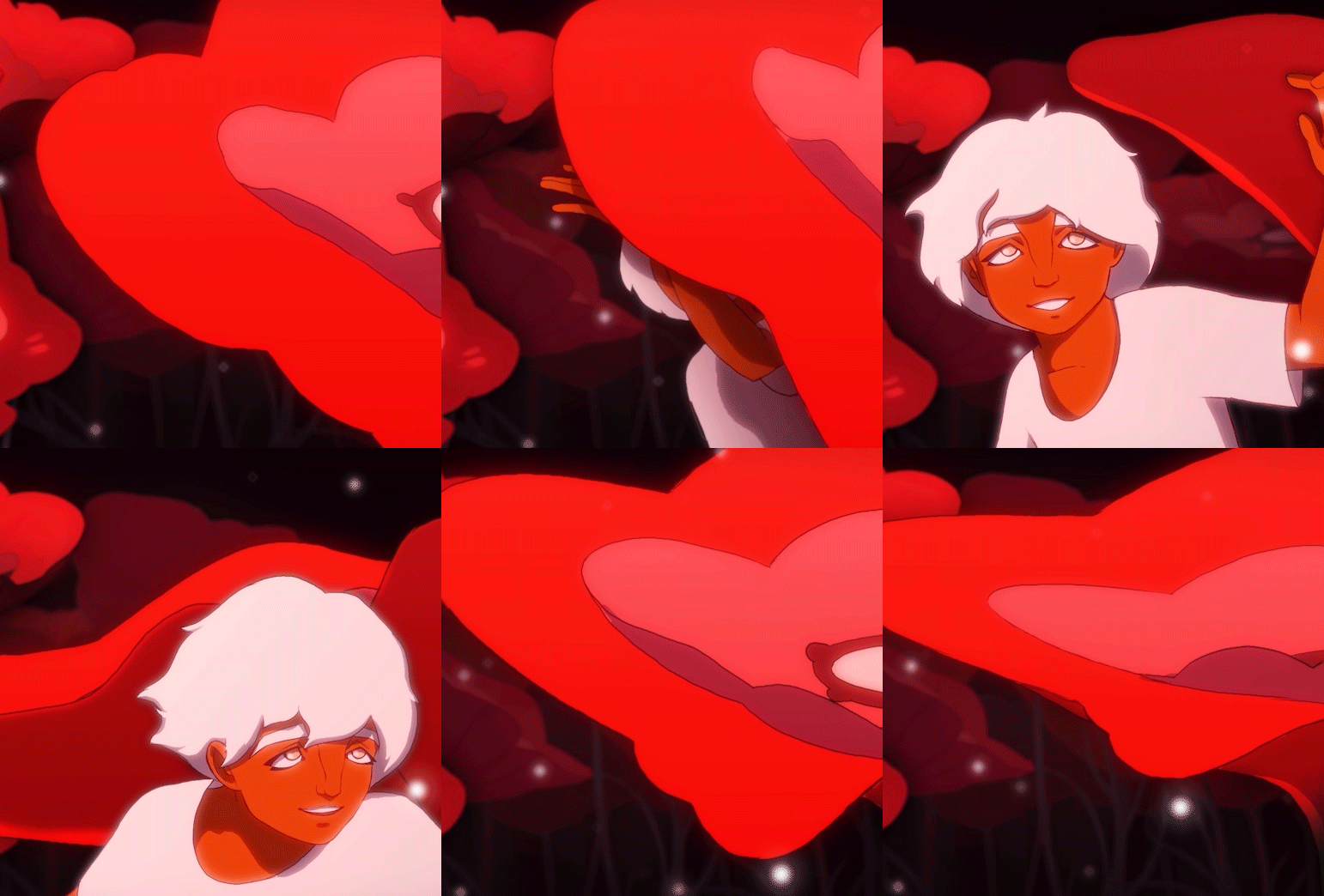
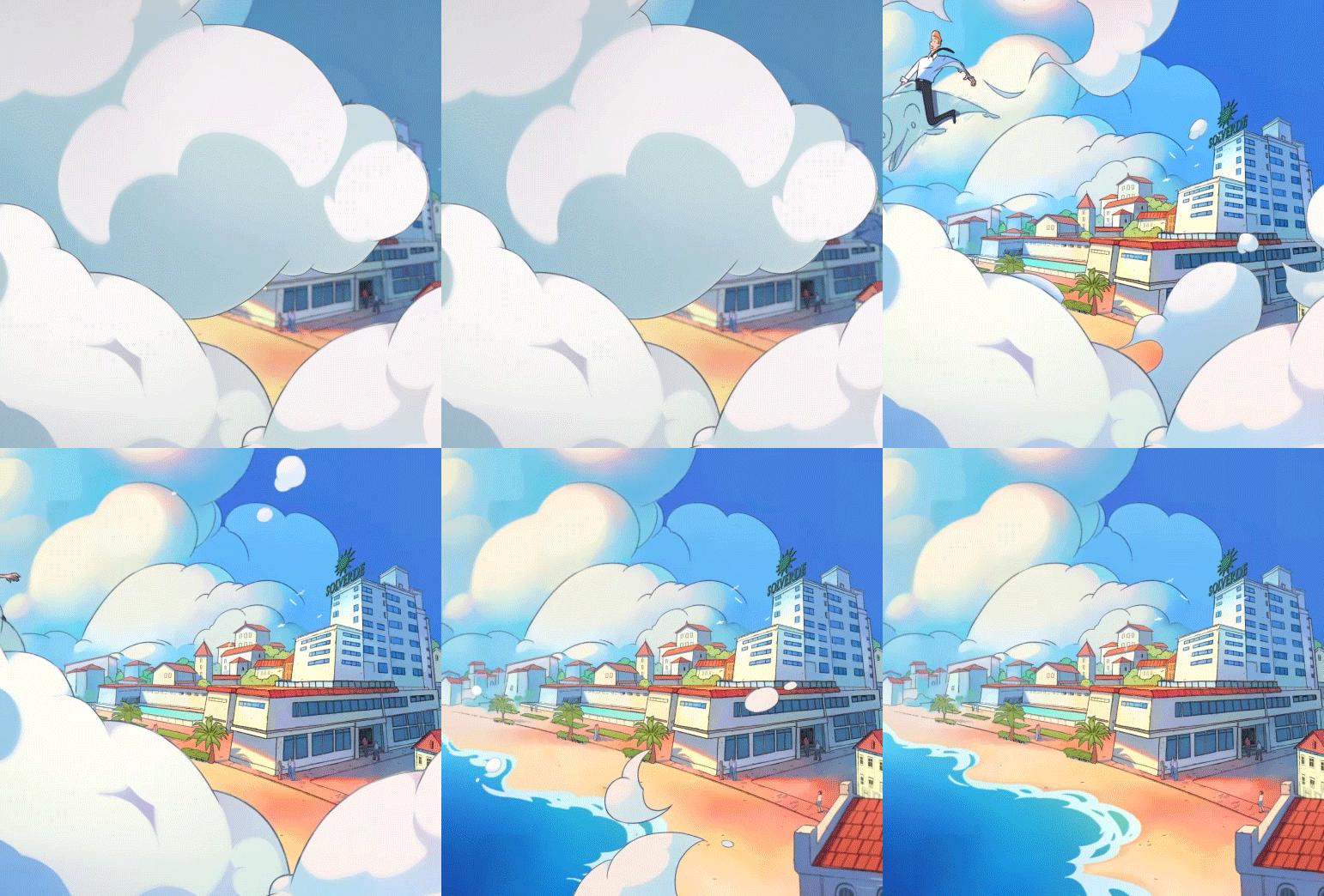
Student
Reviews
«Short Film Creation: Animation & Directing» course
Thank you very much for a great course
Alena Dudko
Graduate of courses in traditional 2D animation
Learning animation is difficult, but very interesting!
Julia Reshetnyak
Graduate of the short film creation course. Animation & Directing
Demoreel «Traditional 2D Animation»It's a magical experience for me, when people from all over the world combine their skills in different fields to create a common project.

Melaniia Kaliian
Studied all courses in traditional 2D animation

How will the training go?
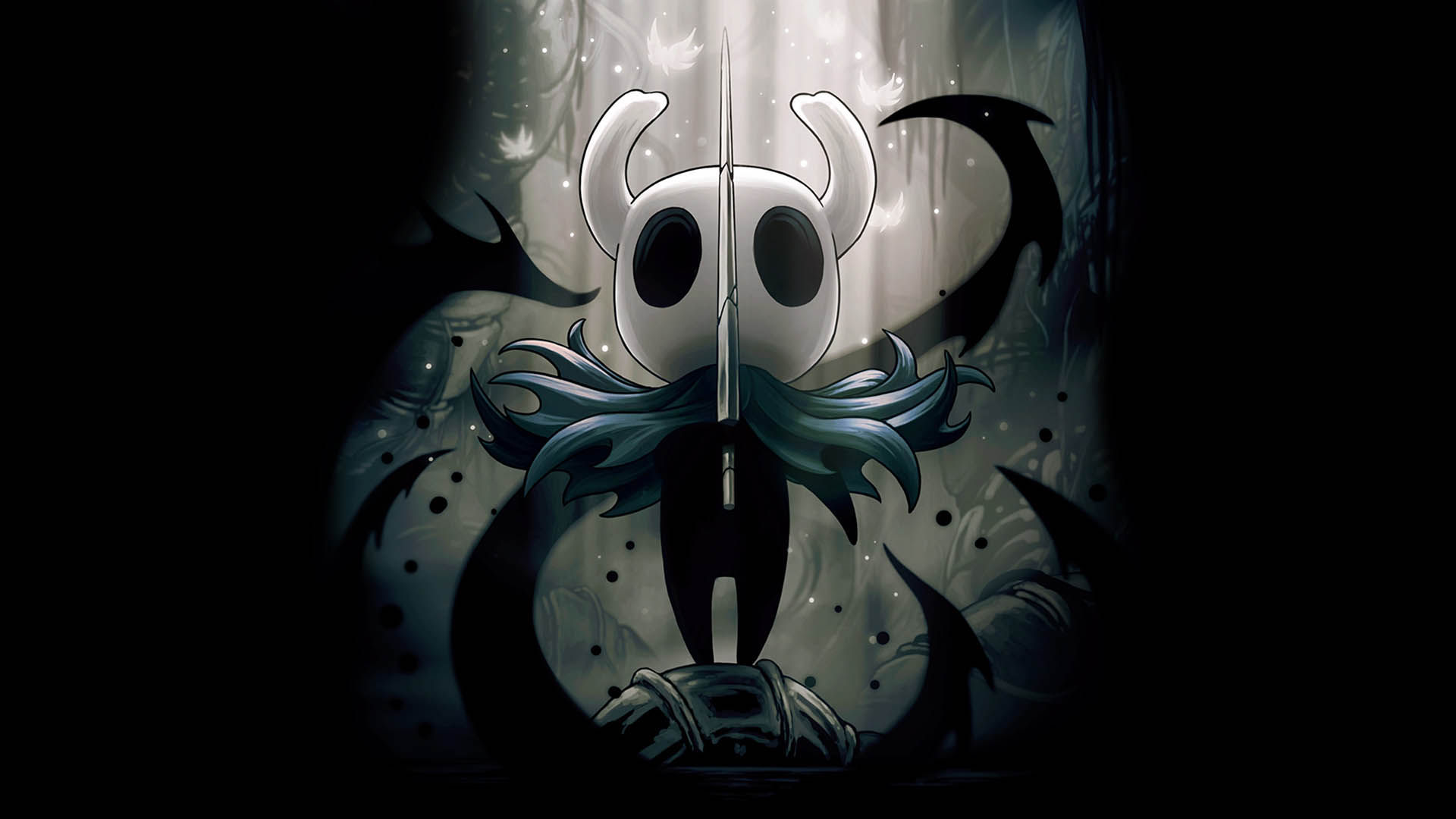
Next term, students will collaborate on a Animated teaser Hollow Knight.
Students gain experience working inside a structured pipeline with deadlines, feedback, and collaboration.
Students receive:
- Weekly critiques
- Shot reviews
- Art direction
- Production feedback
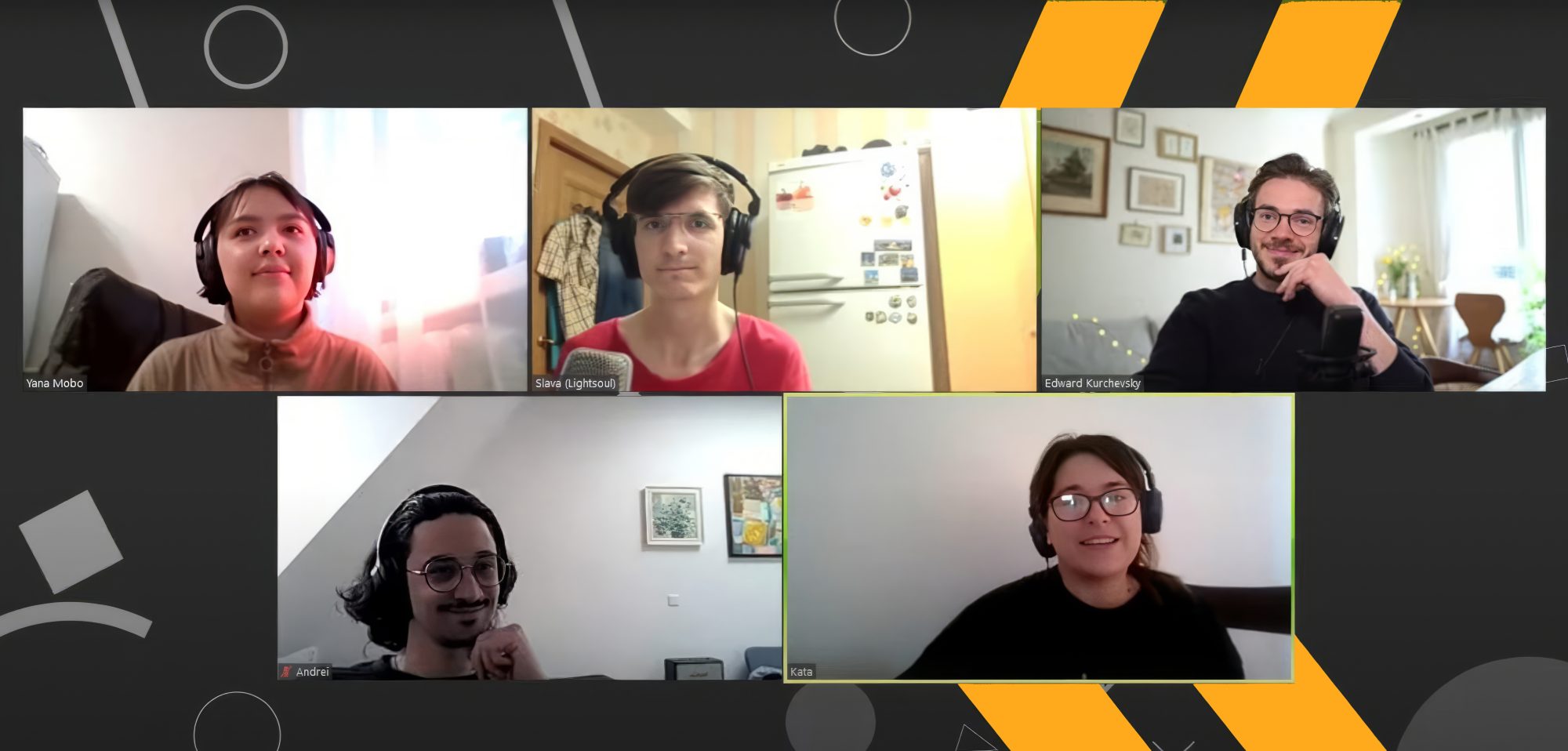
Mentorship is embedded directly into the production process.A team of experts and mentors is waiting for you, who will embark on the project according to the developed plan.

Each student produces role-specific work
, such as:
- Animation shots
-FX Animation
- Composited scenes
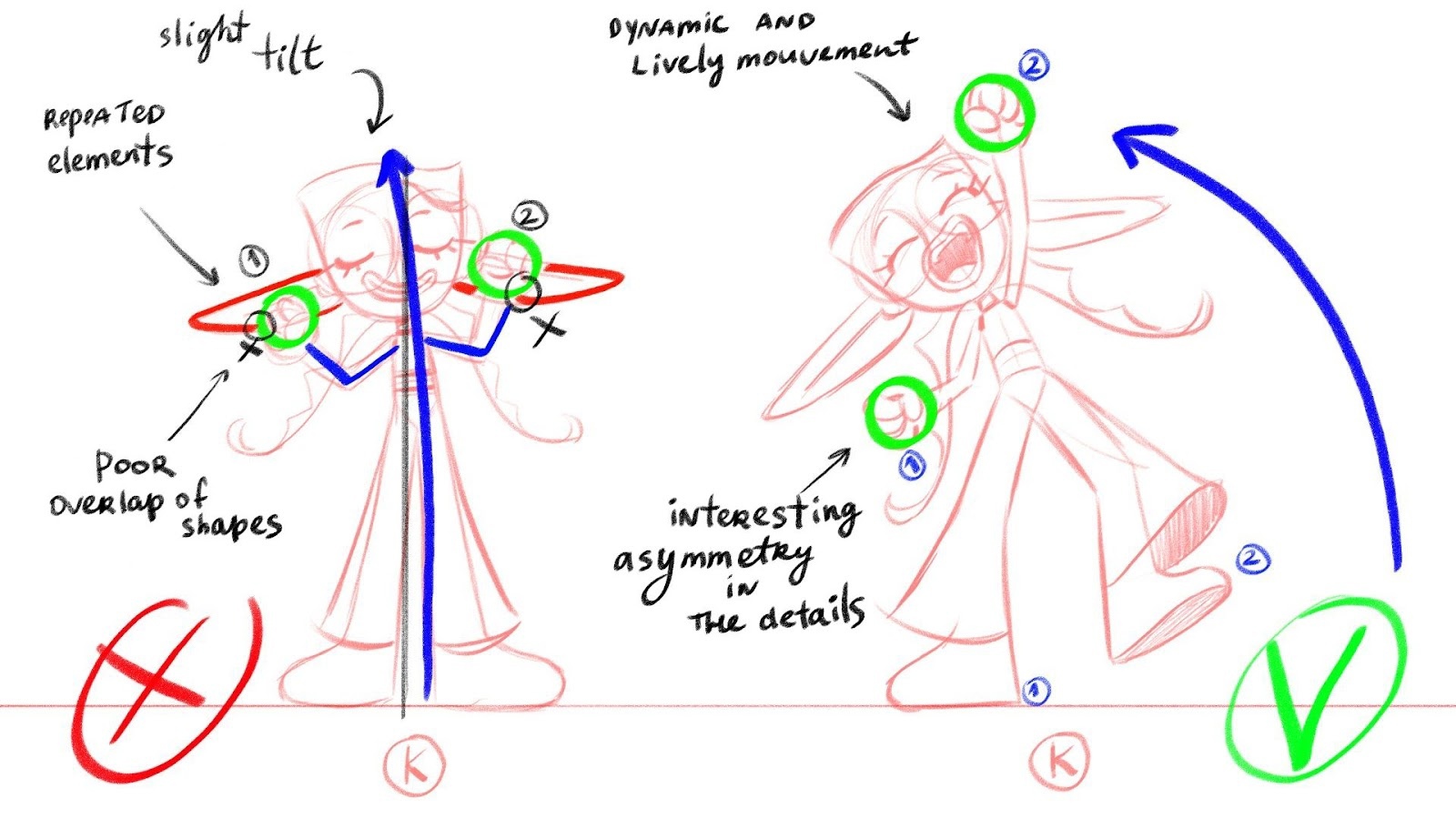
Join live online meetings your mentor and the peers to review your work, get detailed feedback, and improve faster.
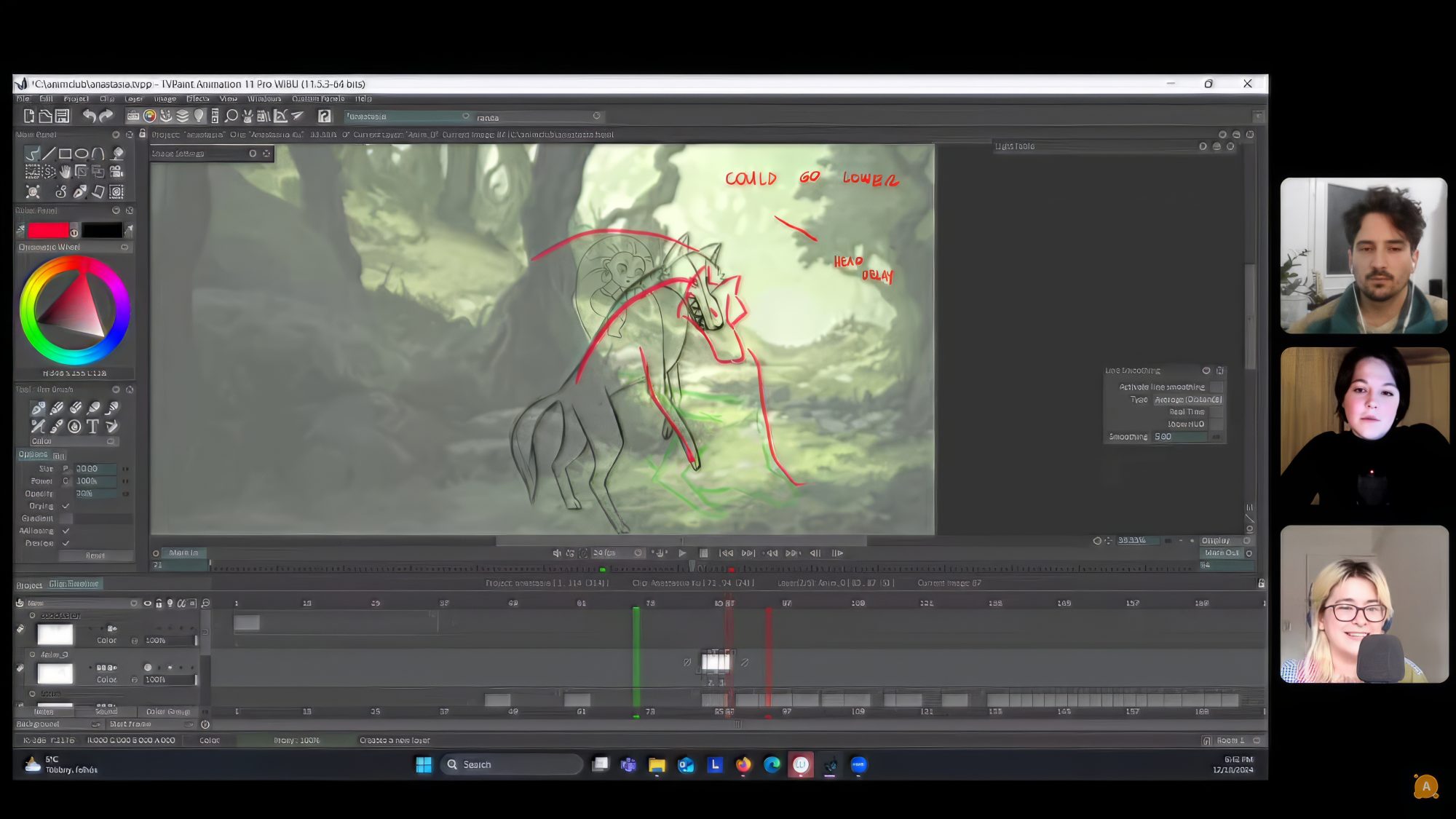
All Feedback Sessions are recorded , so you can catch up anytime if you miss a week.
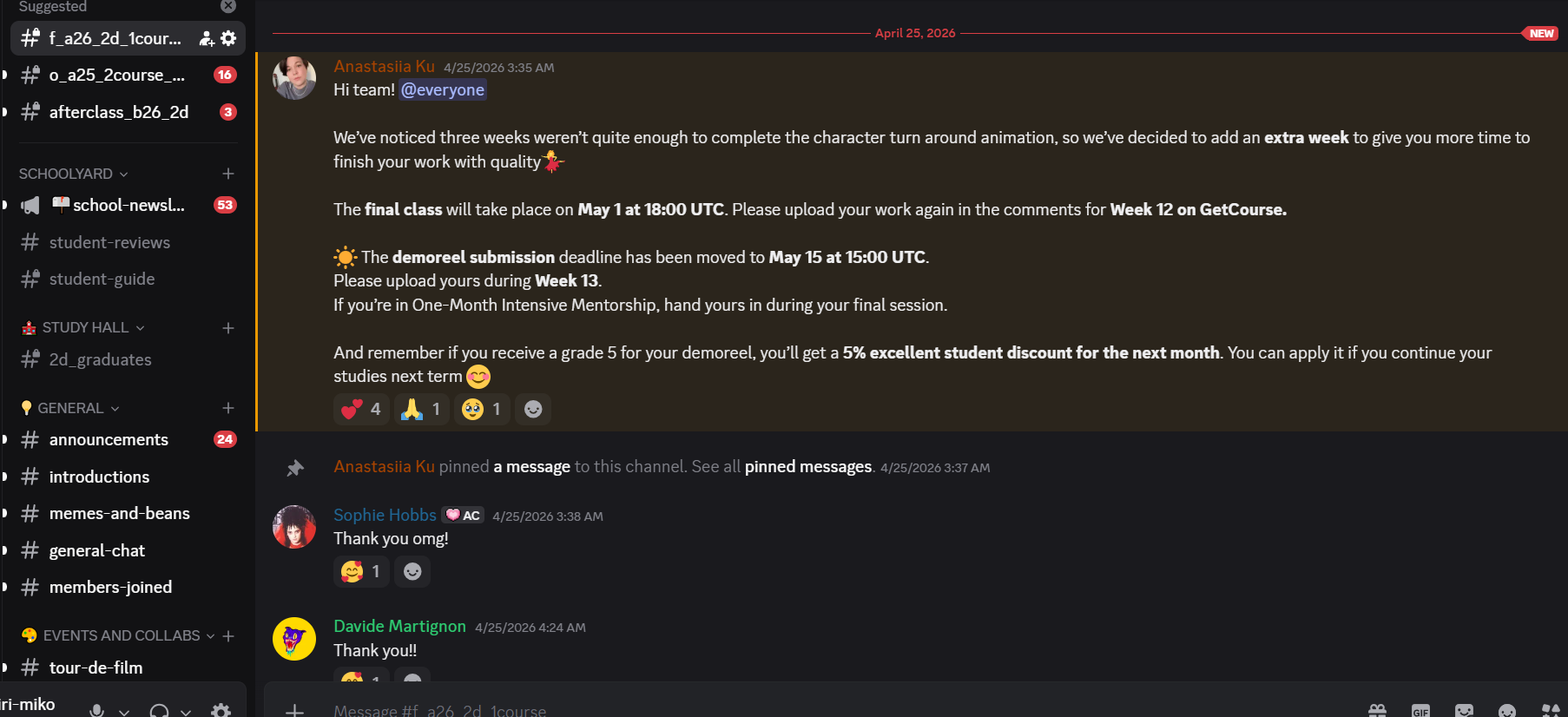
Ask questions, share your work, and get feedback in an exclsuive Discord chat room shared with you, mentors, and other students to get inspired throughout the course.
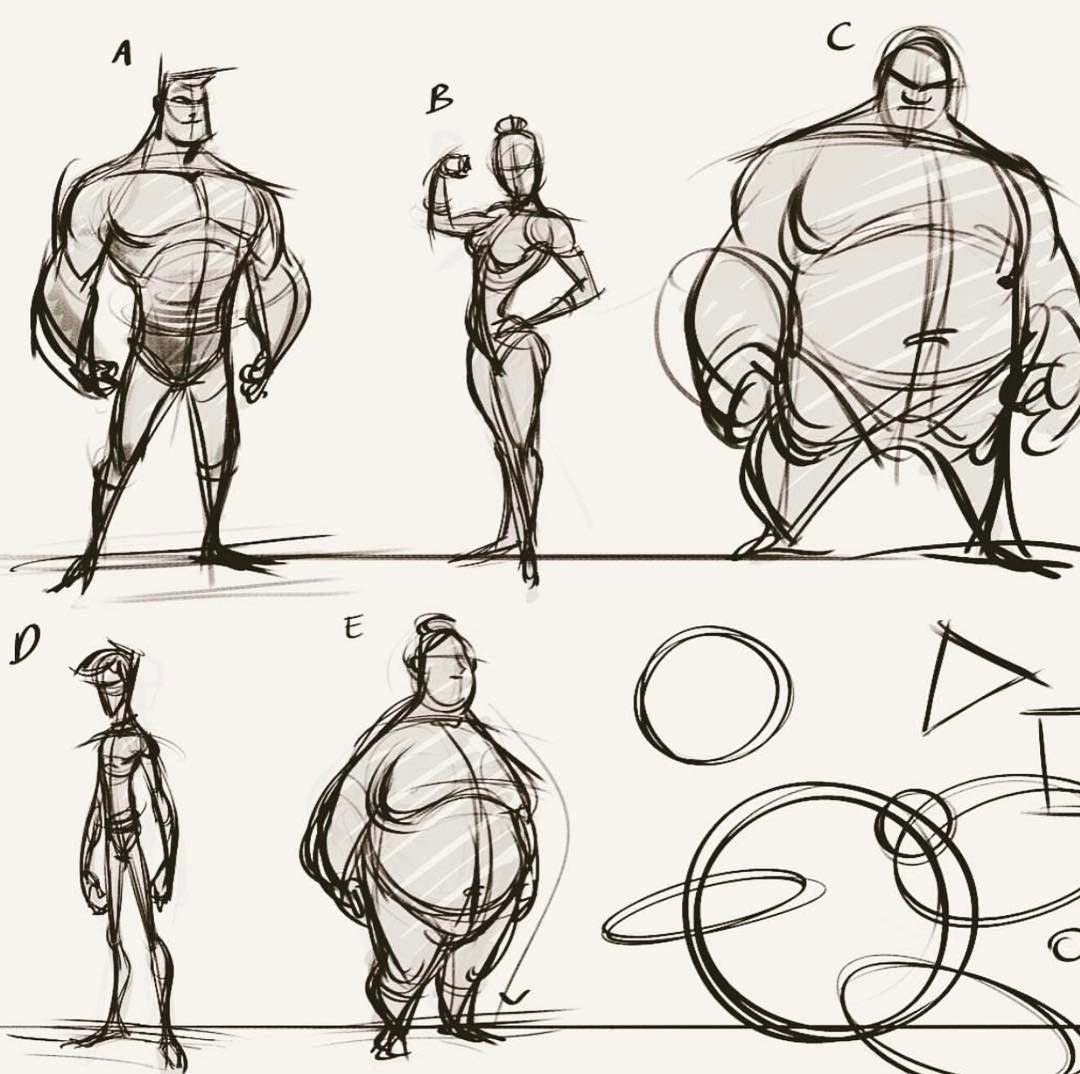
Additional outside course activities , such as Sundays figure drawing lessons and Thrusdays film studies to help you improve your drawing skills.
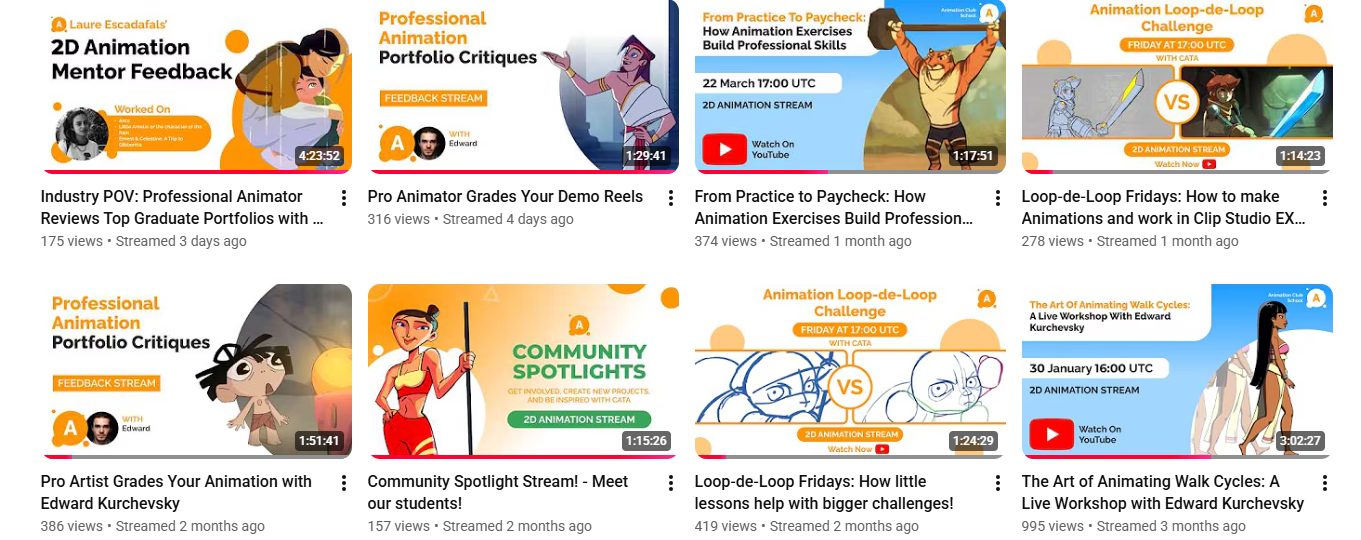
Also there will be Monthly School-Wide Live Stream for additional FREE tips, tricks, and lessons from instructors, along with school updates.
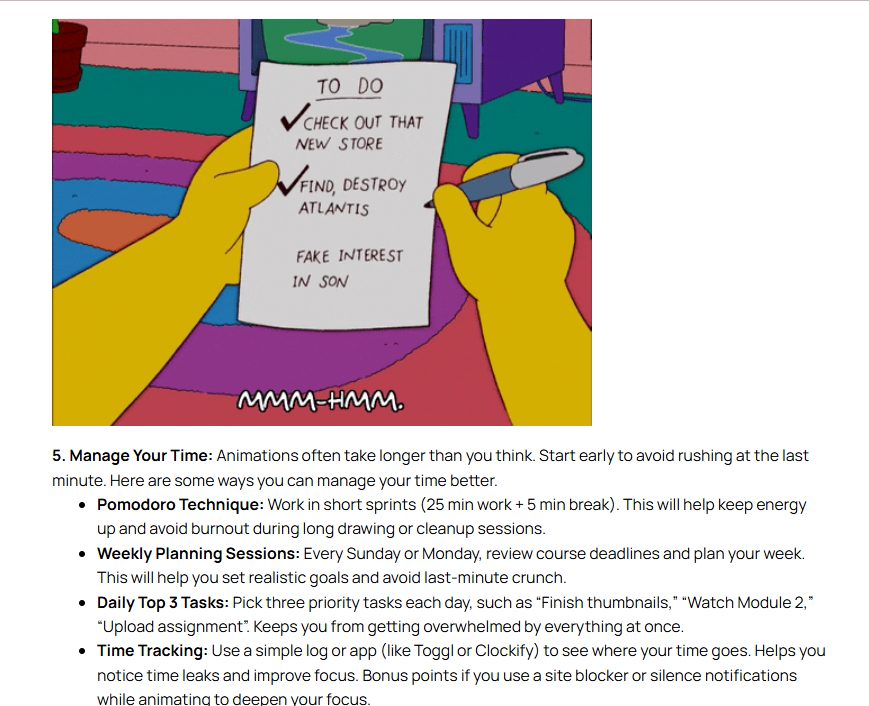
You'll get lists of guides and rescourses to help you stay consistent, engage in feedback, manage your time, avoid common animation mistakes, and get the most out of the course.

Plan for ~8 hours per week to complete lessons and assignments comfortably.

Together with the course team, create a unique short film project and participate in a major animation event

At the end, you'll receive a personalized certificate and leave the course with completed work that shows your progress.
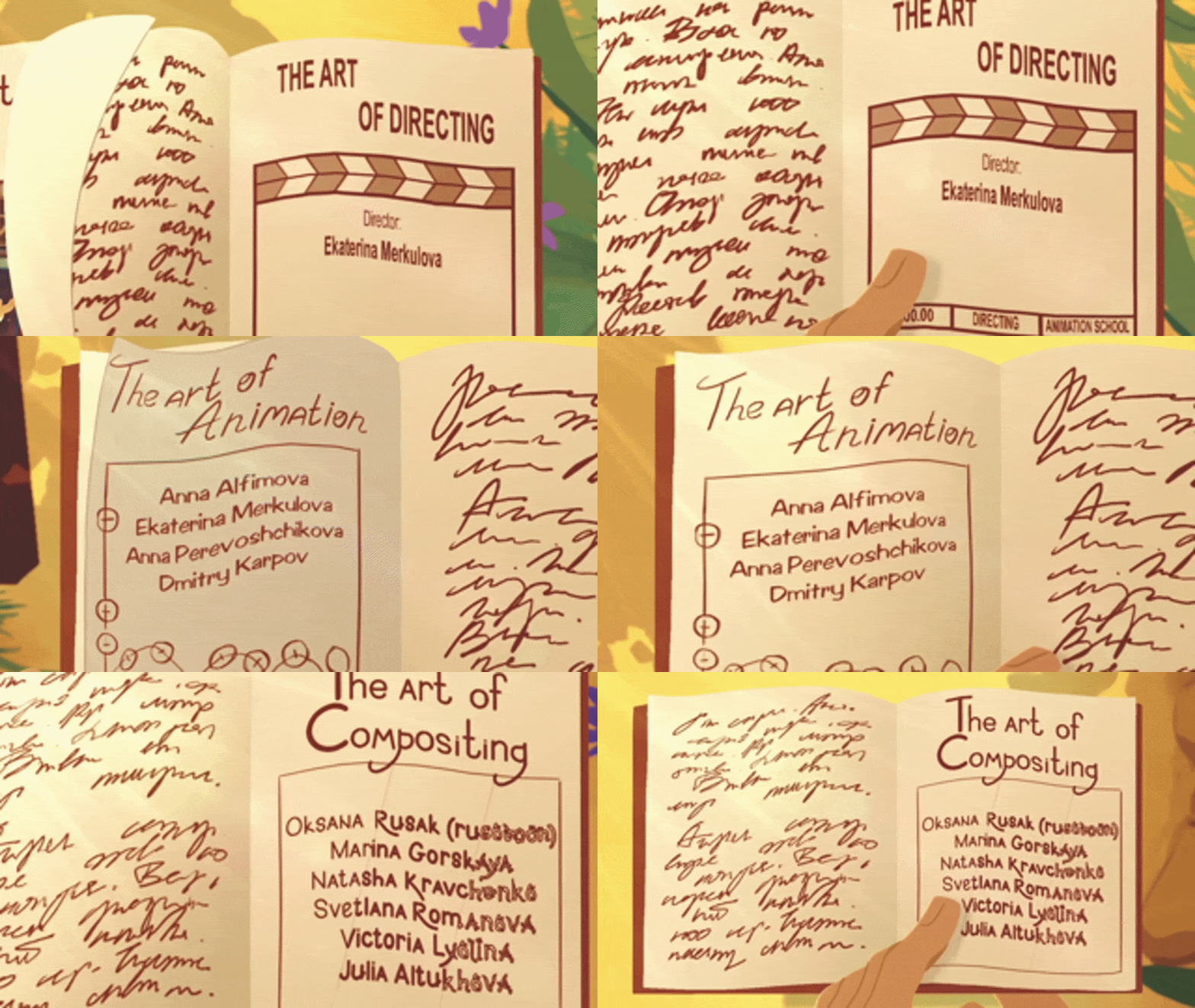
Students' names will be featured in the final film's credits
, serving as their first professional acknowledgment in a studio-driven project!
If the quality of your work meets expectations , you will be referred to work with one of our partnered studios after the project is over.
What software is needed for the course?
TVPaint
or any other animation software
Drawing tablet
for drawing
Zoom
for a weekly meeting with a mentor and team

Discord
to keep up with everything
![[hl]What You will Achive[/hl]](https://animationclub.school/wp-content/uploads/2025/09/Cinanima.jpg)
What You will Achive
Our students work on fan trailers, sequences, and clips inspired by global brands, such as creating the Cinanima teaser. Cinanima is one of the oldest and most prestigious animation festivals in Europe, held annually in Espinho, Portugal since 1976.
Join a team. Work under mentorship. Contribute to a film. Gain real production experience.
Studios where they work our students after the course

Short Film Creation: Animation & Directing
Course fee
415€/month (excl. VAT)
Start
October 2, 2026
Spots left
4 spots
Frequently asked
questions
about the course
What to Expect from the AnimationClub School Courses?
In our courses, you’ll build both the knowledge and the confidence you need to succeed in animation. We’ll help you develop the skills that are essential for a professional career in the industry. By the end, you’ll have a demo reel that reflects your growth and showcases your abilities to potential employers.
How Are the Online Animation Lessons Structured?
It’s straightforward: it is a hybrid class with a mixture of recorded videos and live mentor feedback. First, we introduce you to the theory, then you get to put it into practice. Each online animation lesson is filled with video instructions, helpful visual examples, and assignments that you can work on at your own pace. You’ll have the freedom to take your time, but there is a deadline to recieve mentor feedback. So, remember to submit your work on time to get the thoughtful insights from your instructor during the live interactive mentor feedback classes. The course is designed to fit your life, so you can study from anywhere, using just your tablet or computer. Whatever your path, we’re here to help you grow and succeed, step by step.
What Time Do the Animation Classes Take Place?
The schedule will be shared with you a week before the animation class begins, but rest assured, classes are typically held no earlier than 17:00 UTC, most often on weekdays. Life can be busy, and if you can’t attend a class on a certain day, that’s okay. You’ll always have the option to watch the recording at your convenience, so you never have to miss out on the learning experience
If you're unsure whether your timezone is compatible for effective learning, please feel free to reach out to us on WhatsApp
At What Age is it Possible to Take Animation Club School Courses?
We generally accept students starting at age 16, as the course is intensive and requires a certain level of focus and understanding for completion. However, if you're passionate and dedicated, we’re open to considering students as young as 14 on an individual basis. We take into account your potential and the quality of your work, believing in your ability to rise to the challenge and succeed in the world of animation.
For anyone under the age of 18, please have your caregiver or guardian submit a portfolio on your behalf to AnimationClub.school@gmail.com or contact through WhatsApp for more information.
When Do You Need to Pay for the Animation Course? Is it Better to Pay in Advance or Wait Until the Start Day?
To secure your place in the online animation course, simply pay for the first month or the entire course upfront. Because we limit the number of students in each group, it’s important to act quickly, especially as the start of the course approaches—there are usually only a few spots left as enrollment closes early due to high demand.
We also encourage you to make your payment in advance, giving you peace of mind and allowing enough time for processing. This way, you can focus on the exciting journey ahead without any last-minute stress.
I Paid for an Animation Course, What Should I Do Next?
A week before the animation course begins, you’ll be invited to the study group, where you'll find all the essential information about the learning process. The course materials on the training platform will become available on the first day of the course. All the links will be sent to your specified email, but sometimes they can end up in your 'spam' or 'promotions' folder. We recommend checking those just in case, so you don’t miss anything important. If you have not received your starting instructions by then please reach out to use. We’re here to ensure you have everything you need to start strong!
What Should I Install and Prepare Before Starting Our Animation Course?
A week before your training begins, you'll receive emails with all the preparation details. The first step is to install Discord, where your study group will be waiting for you. Your supervisor or teacher, who will add you to the group ahead of time, will guide you through the training programs and what to expect.
To make the most of your classes, you’ll need a computer or laptop, a headset, and a webcam (the webcam is optional but recommended). Classes will take place on Zoom, so be sure to install Zoom before your classes start to make it easier to attend classes on time.
When it comes to animation software, TVPaint are industry standards, used by most professional studios. Becoming familiar with these tools will definitely give you an edge if you’re serious about breaking into the animation world. However, don’t worry if they’re out of your budget right now! You can still get started with accessible programs like Rough Animator or OpenToonz. These are fantastic tools that provide everything you need to dive into our courses. As long as you can export your work as MP4 or Image Sequence files, you’ll be able to get valuable feedback on your progress.
And when it comes to drawing in these programs, a tablet is far more effective than a mouse. There are plenty of great options available from trusted brands like Wacom, Huion, and XP-Pen. Any of these will work perfectly with the software we use, setting you up for success in your animation journey.
Why Is Your Animation Courses More Effective Than Self-Study?
Well, we’ve gathered everything you need to learn animation in one place, so you don’t have to spend time searching for lessons or resources else where. Giving you the structure to create amazing animation while still being able to use your creativity. You’ll have a clear path ahead of you, every step of the way. And most importantly, you’re never alone. If you have questions or run into challenges, you can always reach out to the instructor for professional guidance. We’re here to help you, support you, and make sure you’re never stuck.
Our course is thoughtfully structured to guide you, from the basics to the more complex animations, so you can move forward with confidence—without feeling overwhelmed or confused.
What Makes Our School Stand Out Compared to Traditional Animation Universities, Schooling, or Programs?
Our courses are led by industry professionals who know exactly what today’s animation world demands. We equip you with practical skills that let you start animating from the very first lesson. Forget spending years on theory—our approach helps you gain hands-on experience right away by focusing on building an industry protfolio version the standerd Broad curriculum focused programs that tradiational school uses. With a flexible schedule, you learn at your own pace, fitting your studies into your life. It’s all about making your animation dreams a reality on your terms.
Will I receive a certificate upon completion of Animation Courses?
Upon successfully completing all Animation course requirements, you'll receive an electronic certificate to celebrate your achievement. While this certificate is not a state certified diploma, we place greater value on the portfolio work you’ll build throughout the courses. In the animation industry, your portfolio is your most powerful tool, showcasing your skills and creativity in a way that truly speaks to your potential.


