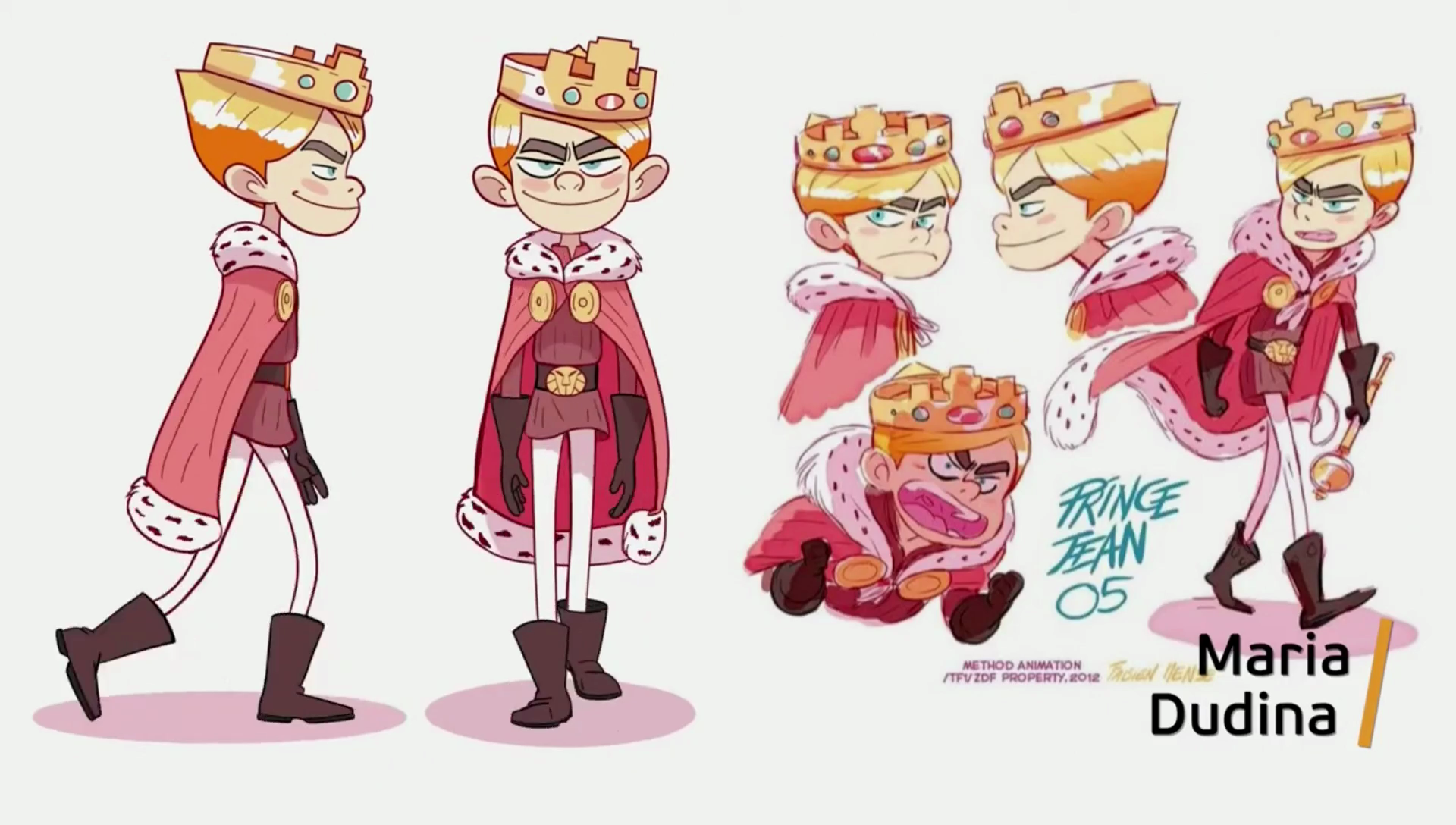
How to Create Production-Ready Character Designs for Animation
A character design can look incredible on paper and still cause problems for an animation team.

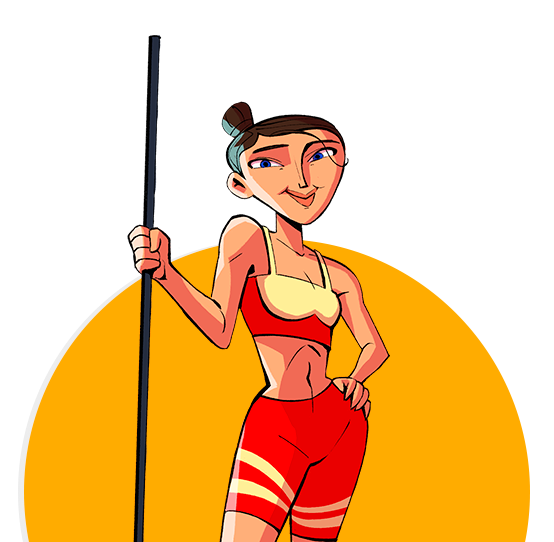
A character design can look incredible on paper and still cause problems for an animation team.
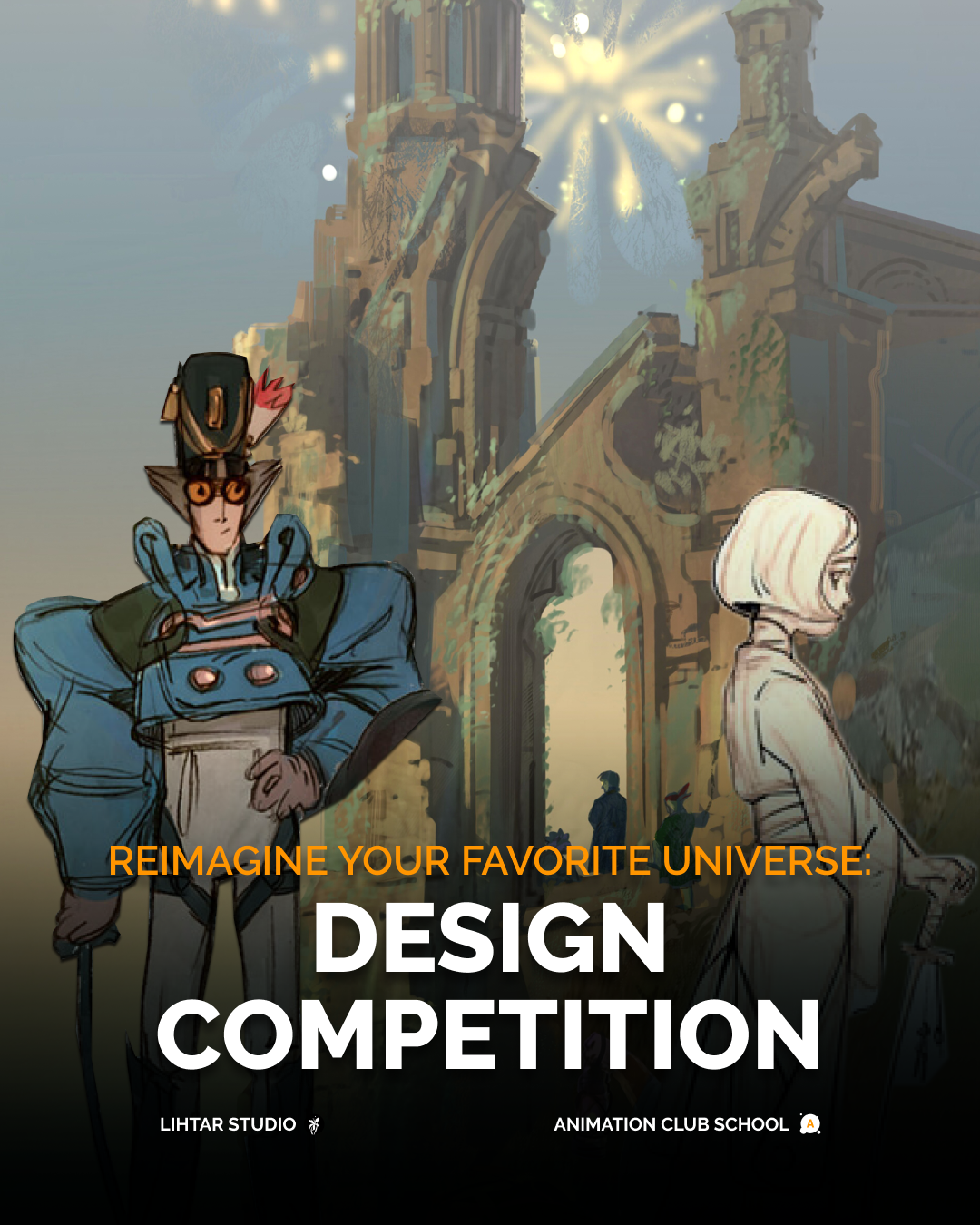
We’re inviting artists and designers to develop an original visual concept for the chance to see their creative vision brought into production through Animation Club School’s Short Film Creation course, with guidance from the Lihtar Studio production team. We especially encourage original concepts and ideas inspired by public-domain literature, fairy tales, folklore, mythology, tabletop fantasy-inspired […]

Getting a great critique won’t improve your animation unless you know what to do with it.
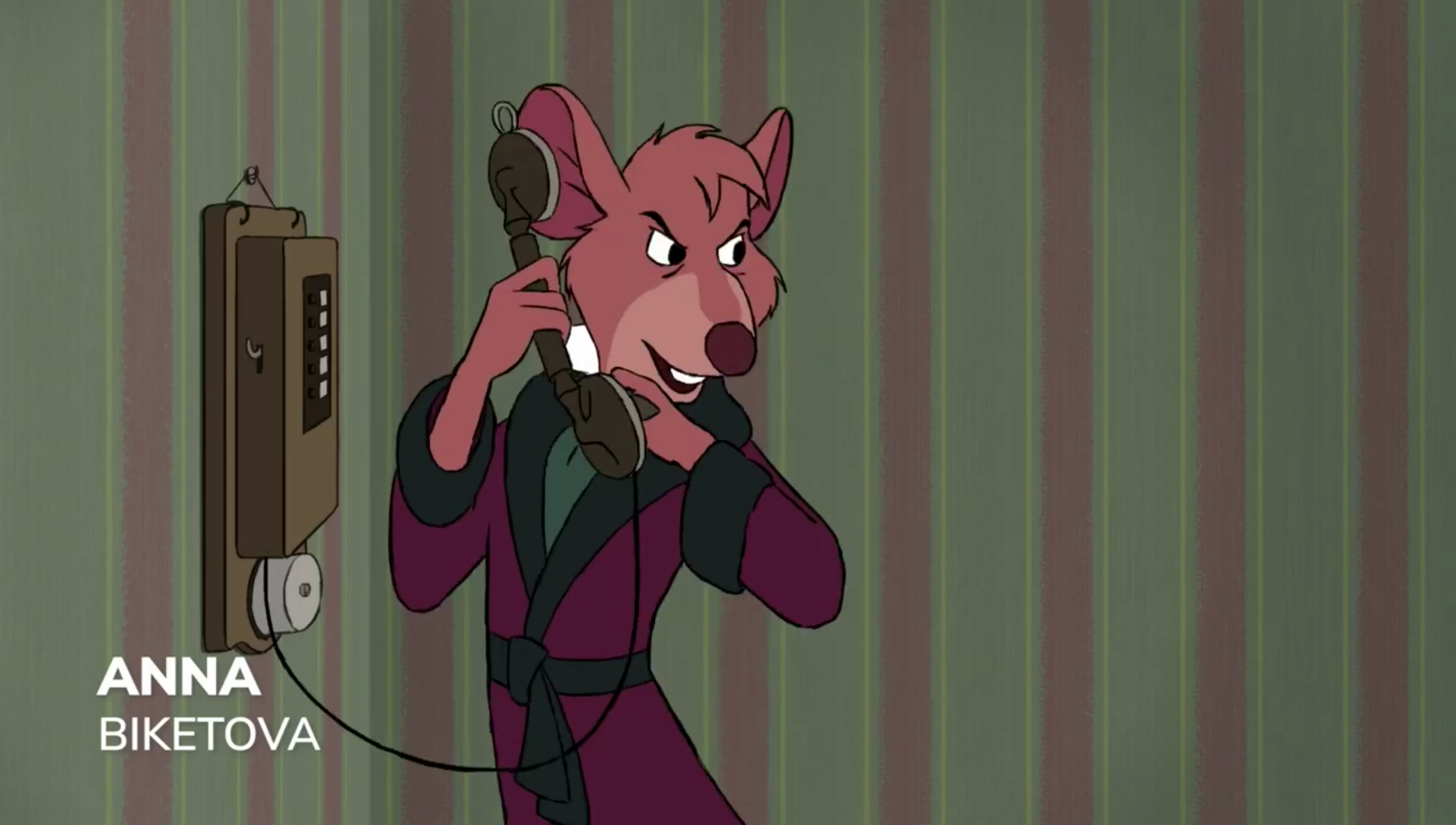
Learning animation is challenging, but figuring out how to turn those skills into a career often feels even harder.
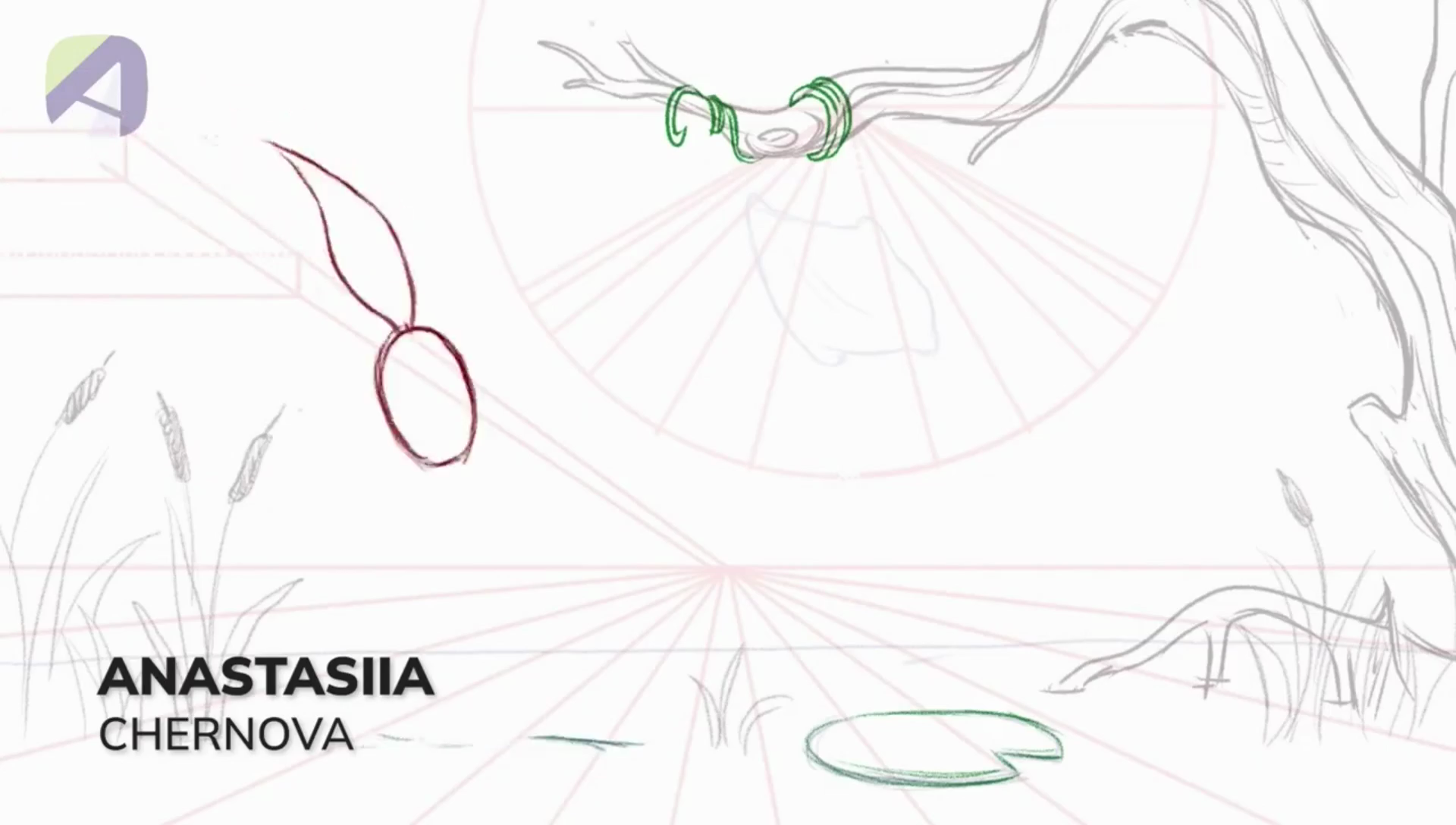
That bouncing ball might never make it into your demo reel, but the skills you learn from it will.
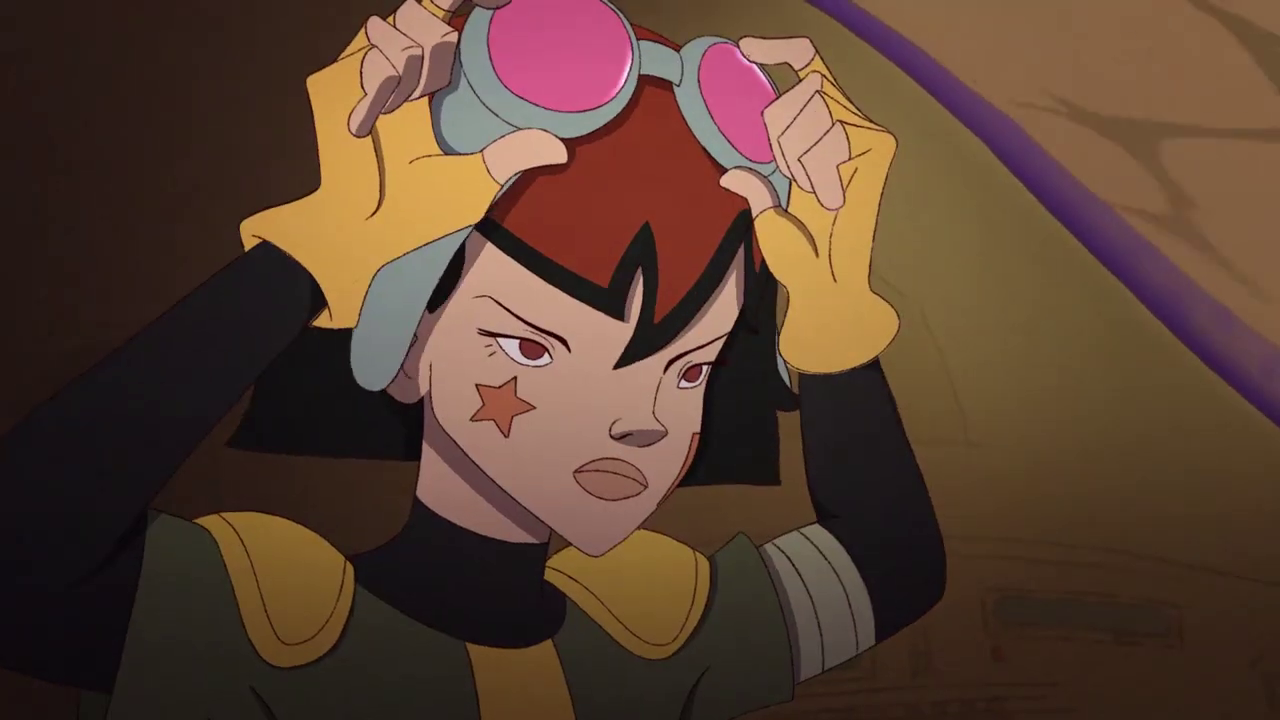
Getting an animation studio interview means your portfolio has already done its job: it made someone want to know more about you.
But there is a whole new kind of pressure that comes with an interview.
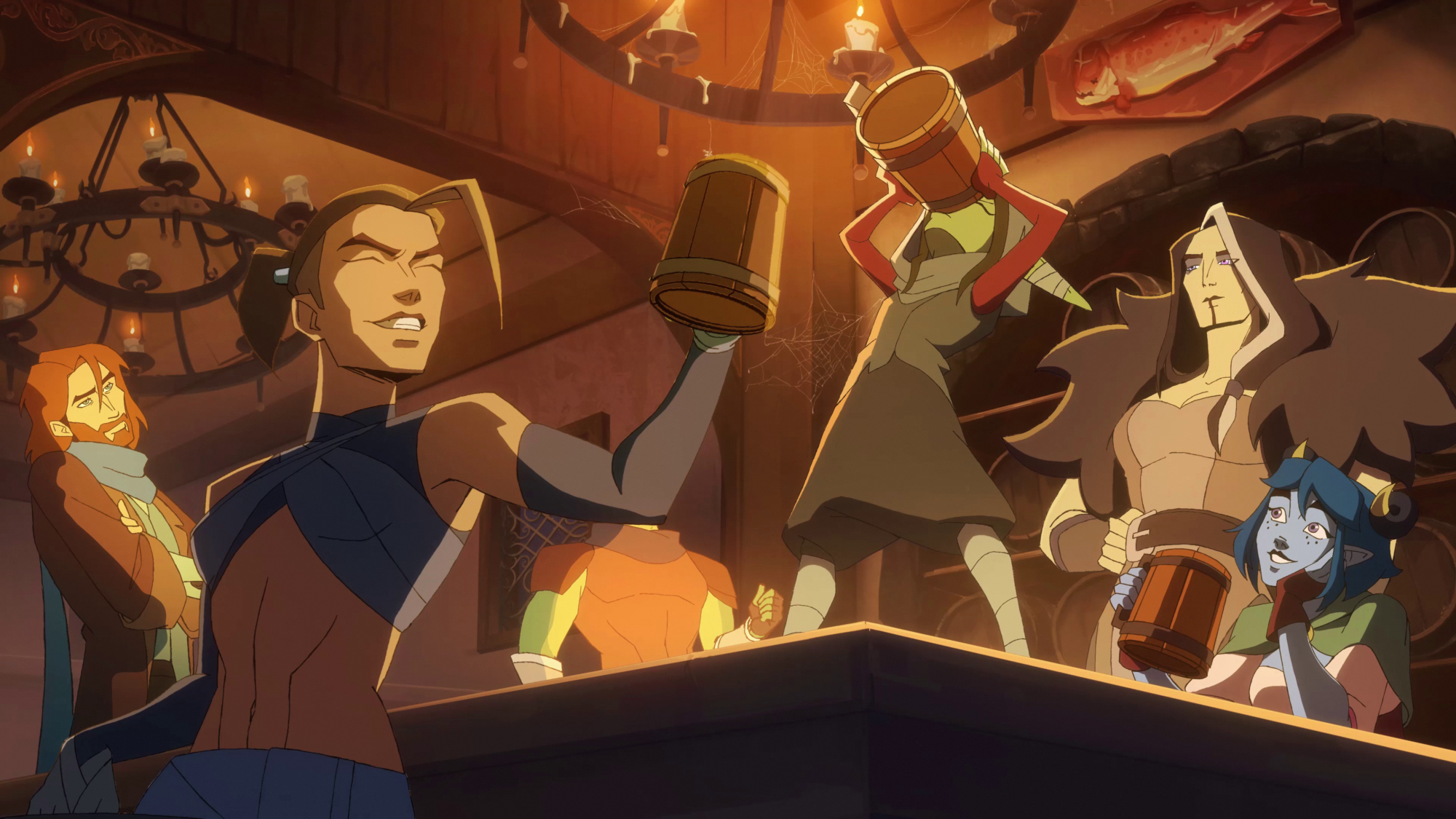
You can have a great demo reel and still struggle to get your foot in the door.
That's because while you've been building your animation skills, you may have overlooked another important part of your career: your network.
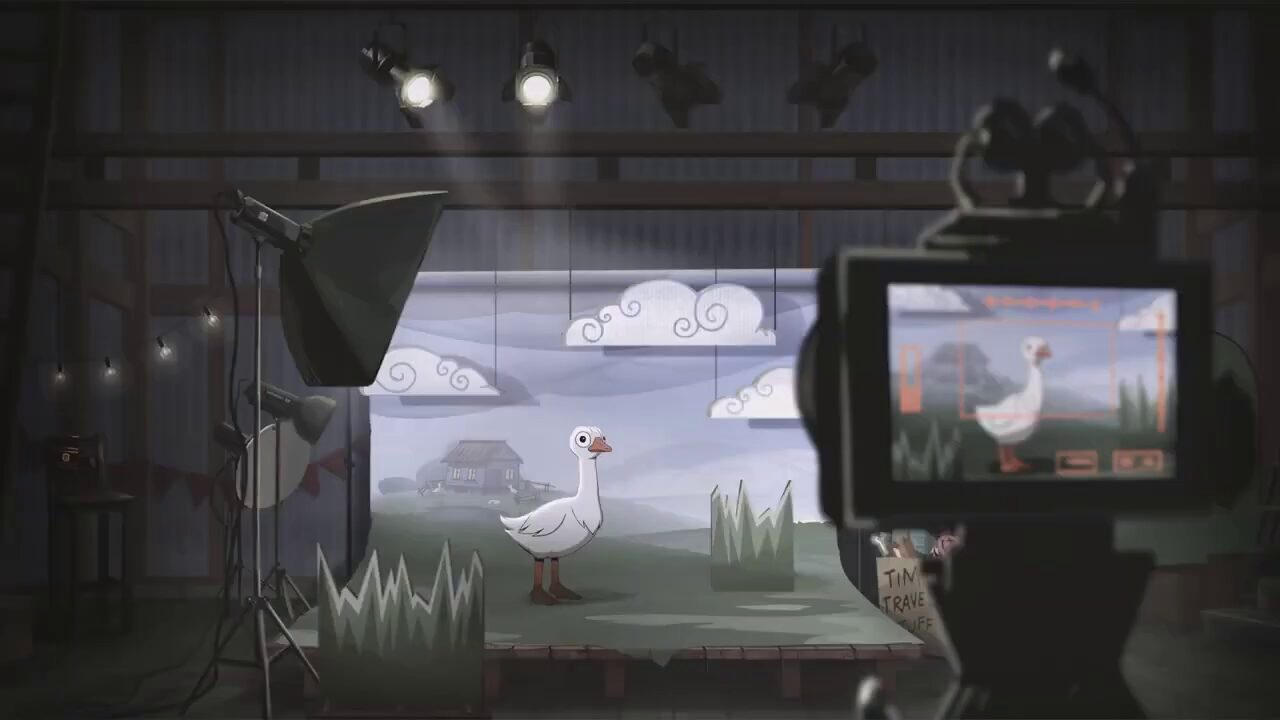
You dream of working on an animated TV show. Maybe you imagine animating an exciting fight scene or creating an emotional performance from start to finish. Maybe you want to have your hands in every aspect of the creative process.
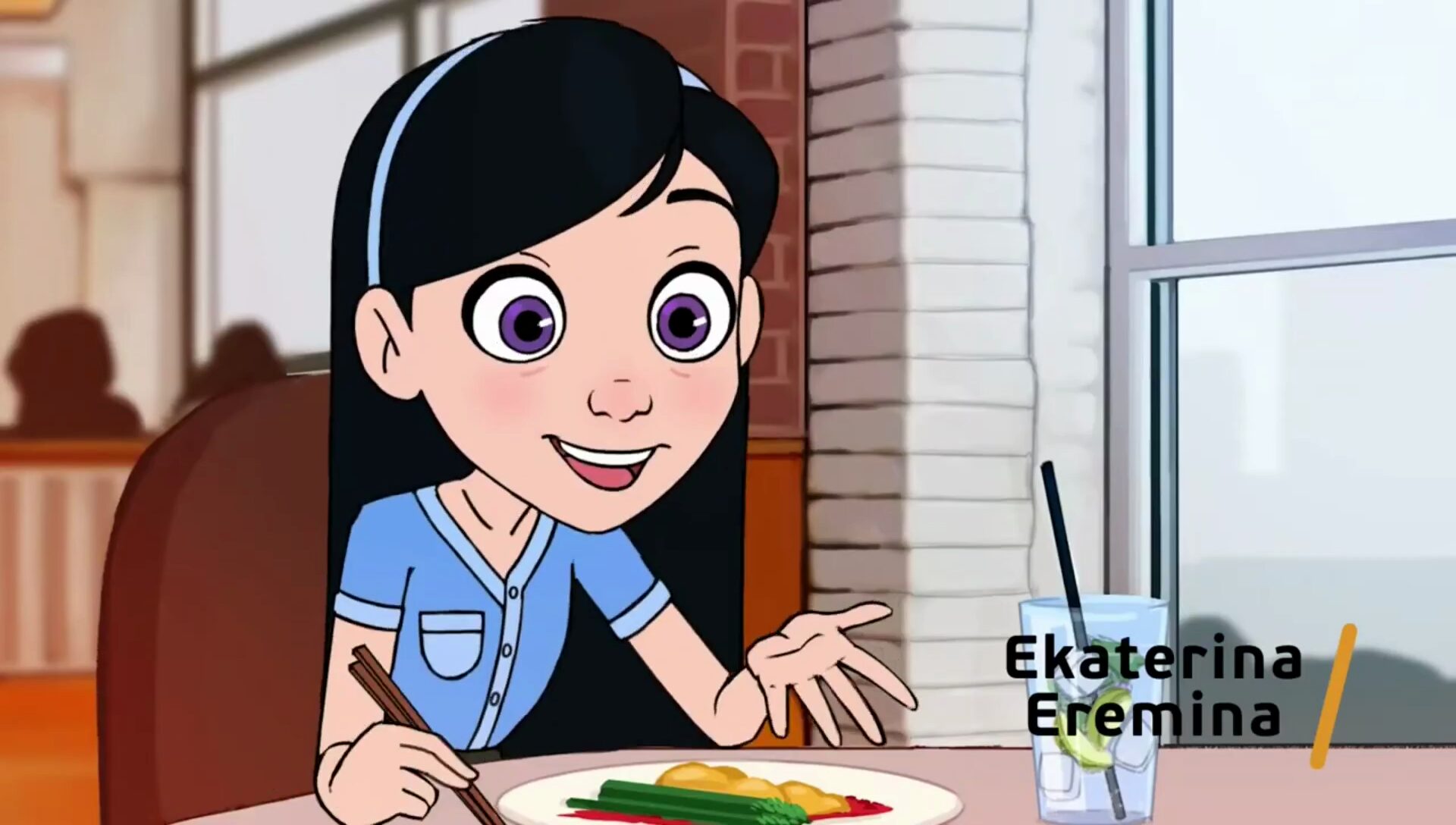
Imagine you're sitting in a portfolio review. The reviewer finishes watching one of your shots and asks you, "Why did you animate it this way?"
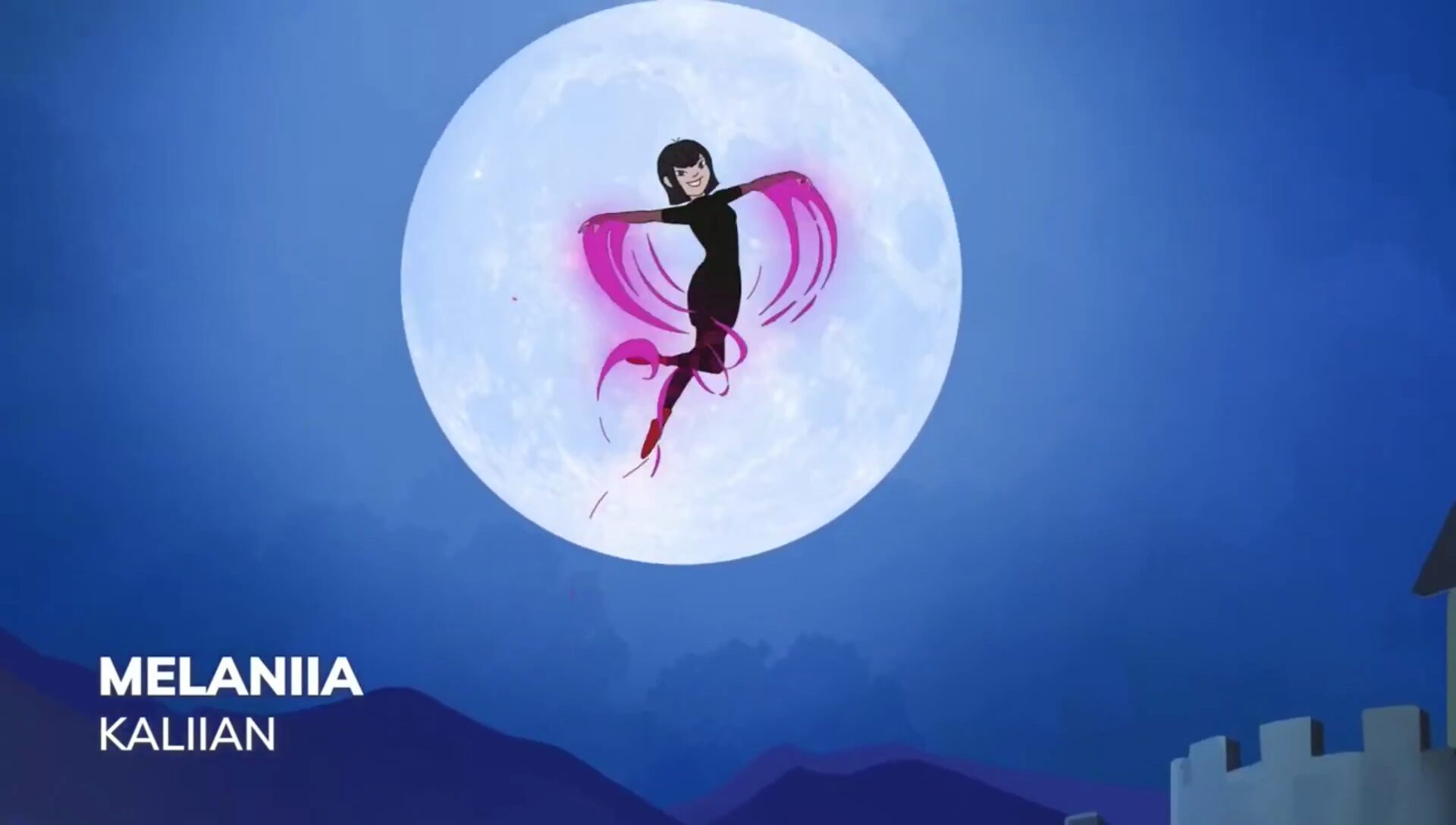
If you want to work in animation, your portfolio is the single most important asset you'll build.
It shows recruiters and hiring managers what you can do before you ever get an interview. Whether you're applying for internships, freelance work, studio roles, or mentorships, recruiters all ask the same question:
Can this artist do the job?
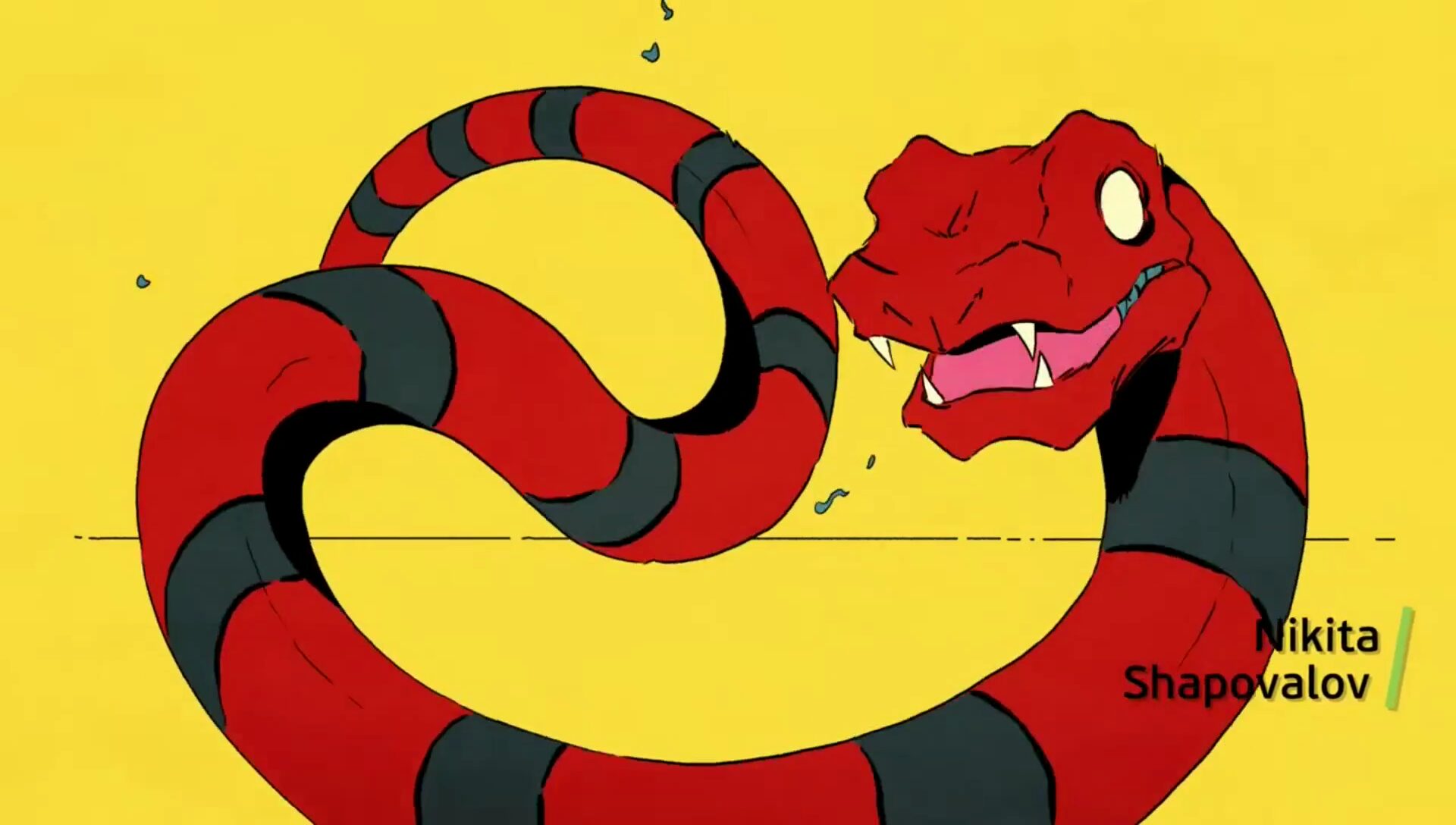
Most aspiring animators dream of working on films, series, or games.
So when you start your training, and the instructor asks you to animate a bouncing ball or a flour sack, it's natural to wonder:
How does this help me become a professional animator?
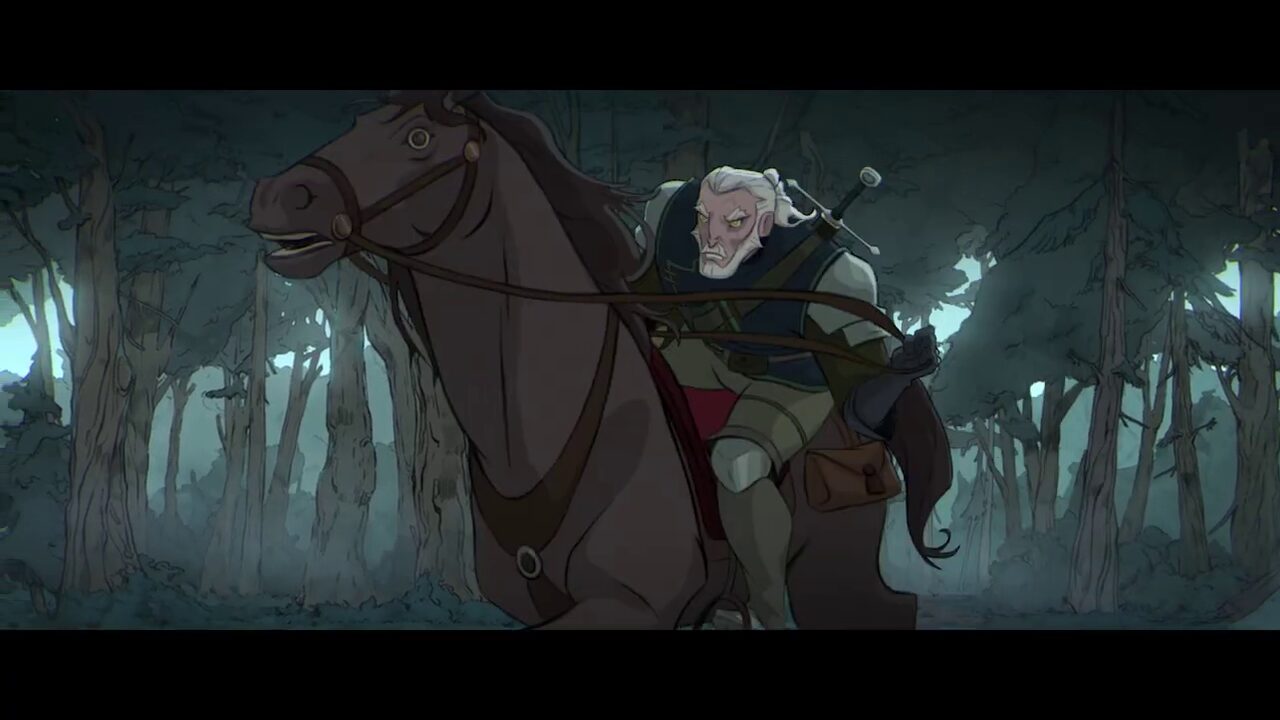
One of the most common questions developing animators ask is:
“What’s the difference between beginner animation and professional animation?”
At first, the answer seems obvious: better drawings, cleaner linework, and more polished rendering. But if that were the whole story, every skilled illustrator would automatically be a strong animator.
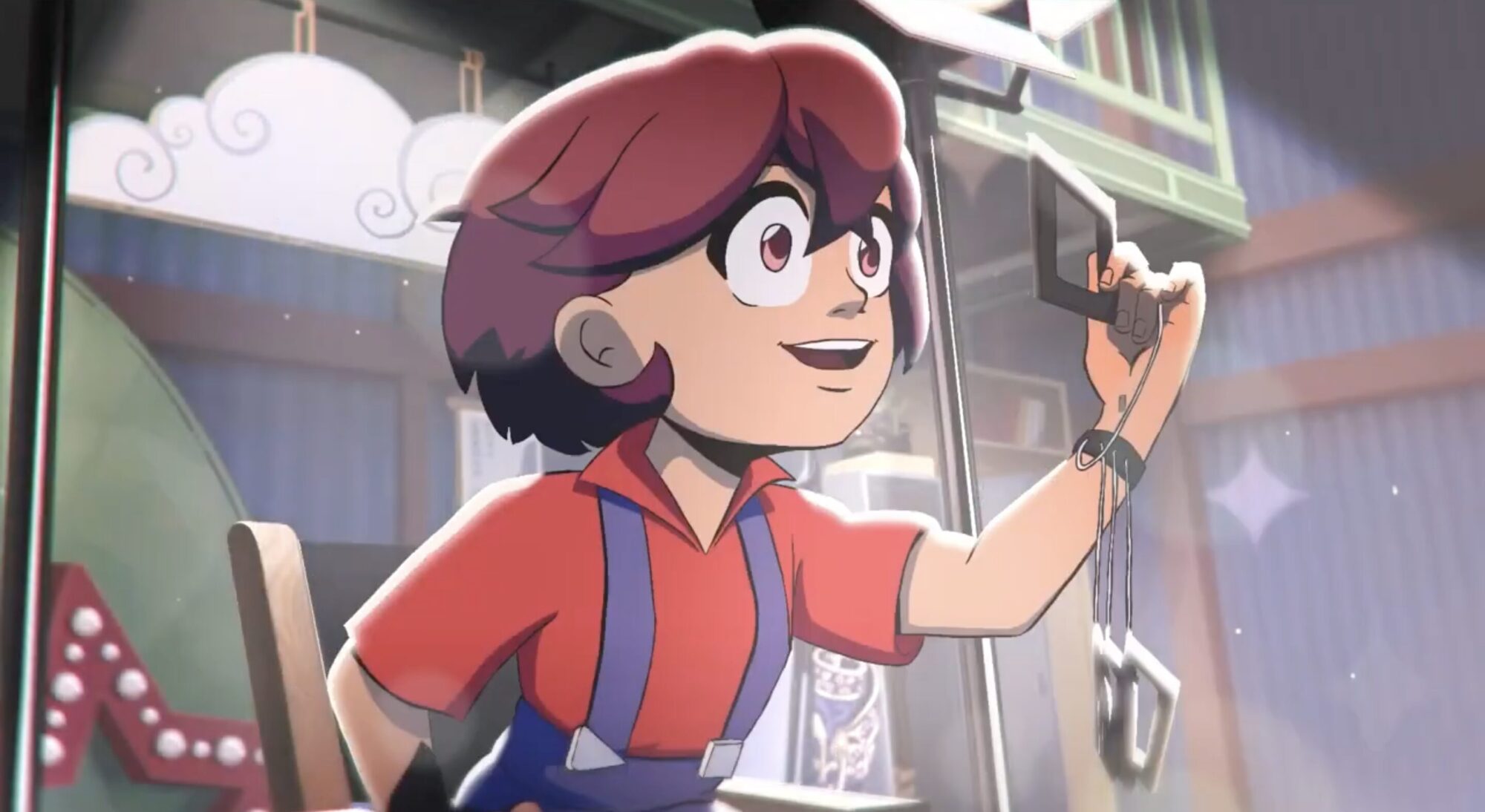
The animation industry is changing.
That's not necessarily good news or bad news—it's simply reality.
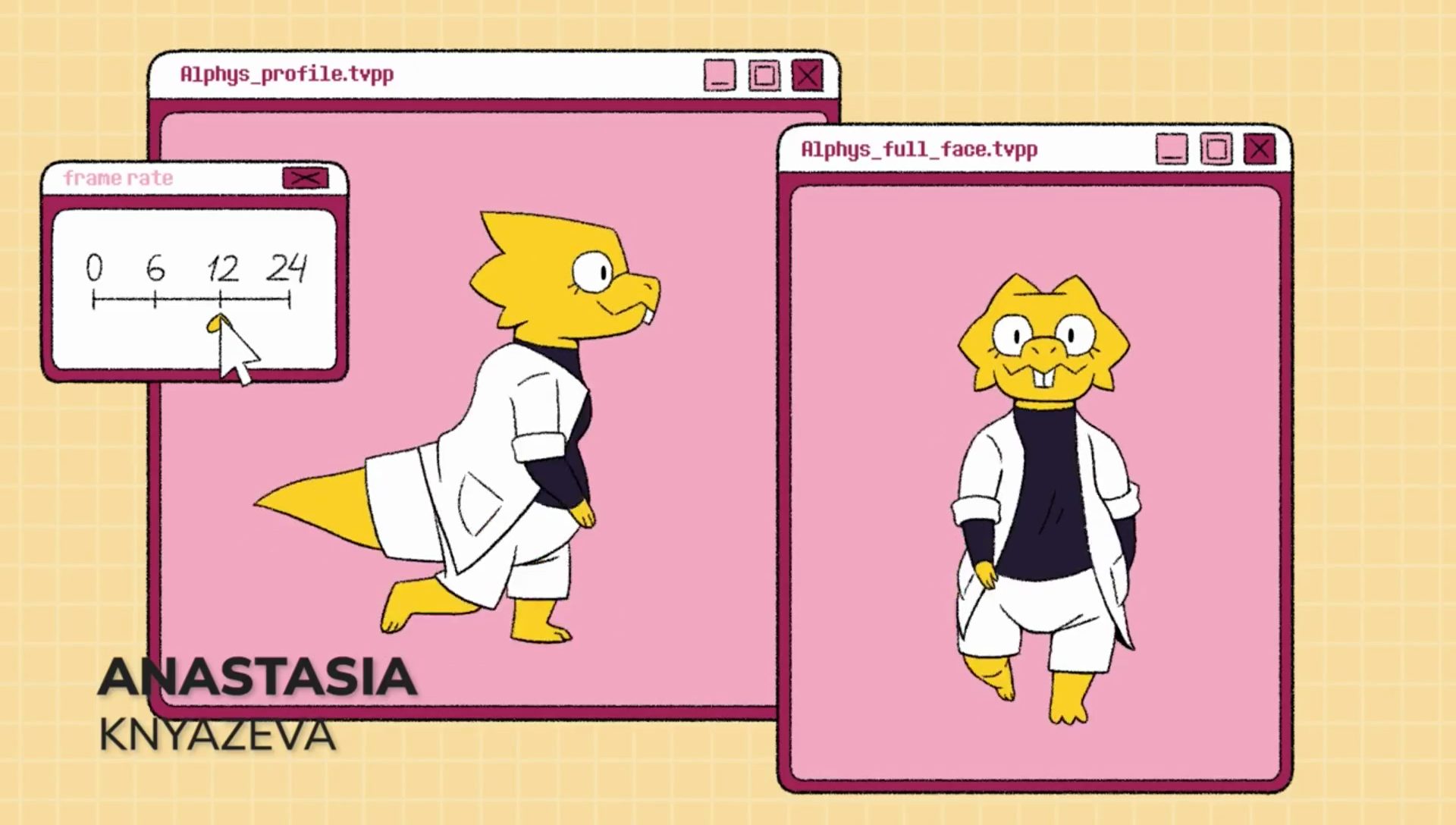
The animation industry is changing. With the advancement of generative A.I., the downsizing and consolidation of animation productions, and the rise of indie pilots, it’s easy to feel lost amid these shifts. The good thing is that, as an animator, you are adaptable.
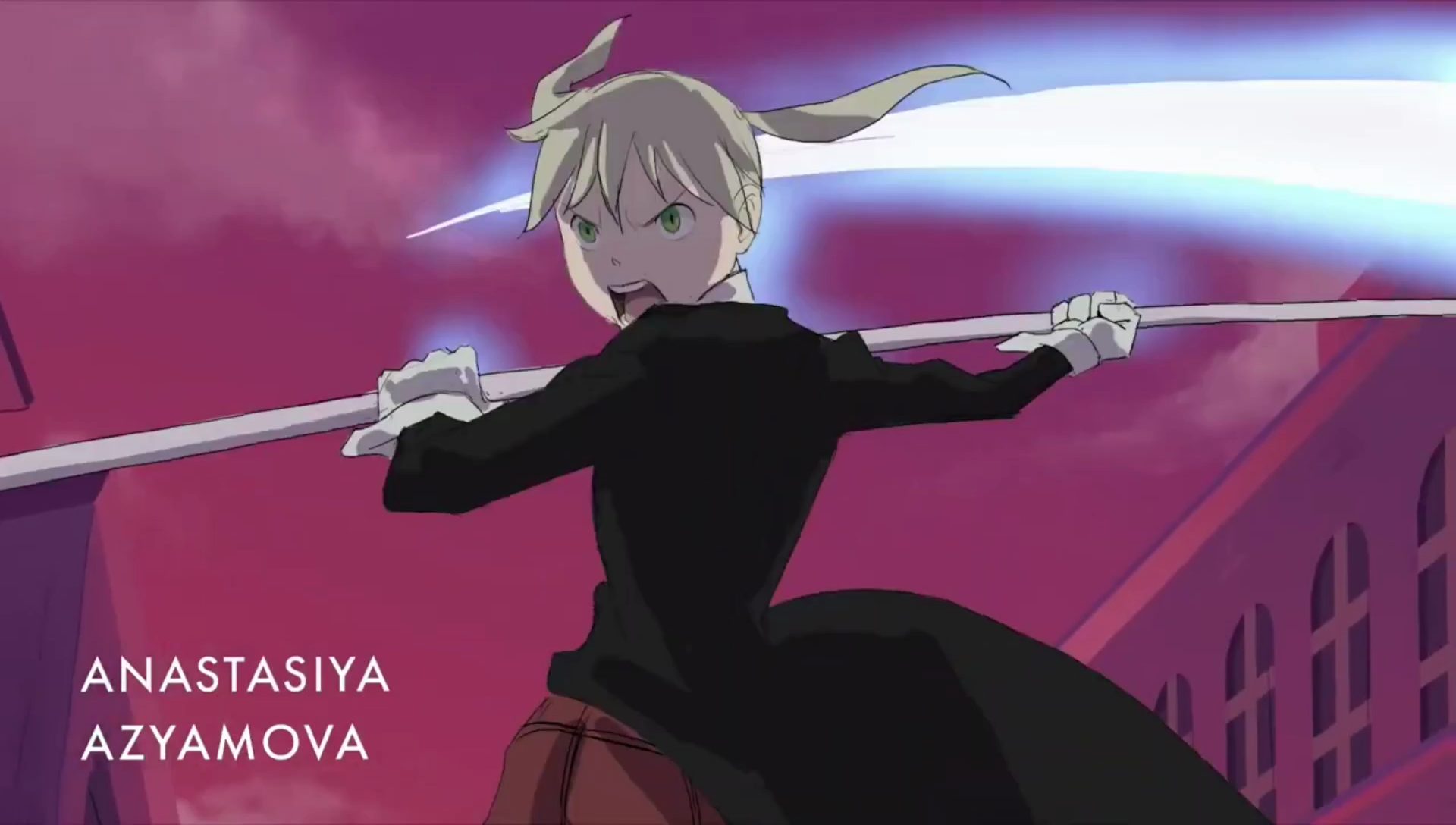
The anime industry is about more than creating shows. It demonstrates how animation can function across culture, business, and communication at a much broader level.
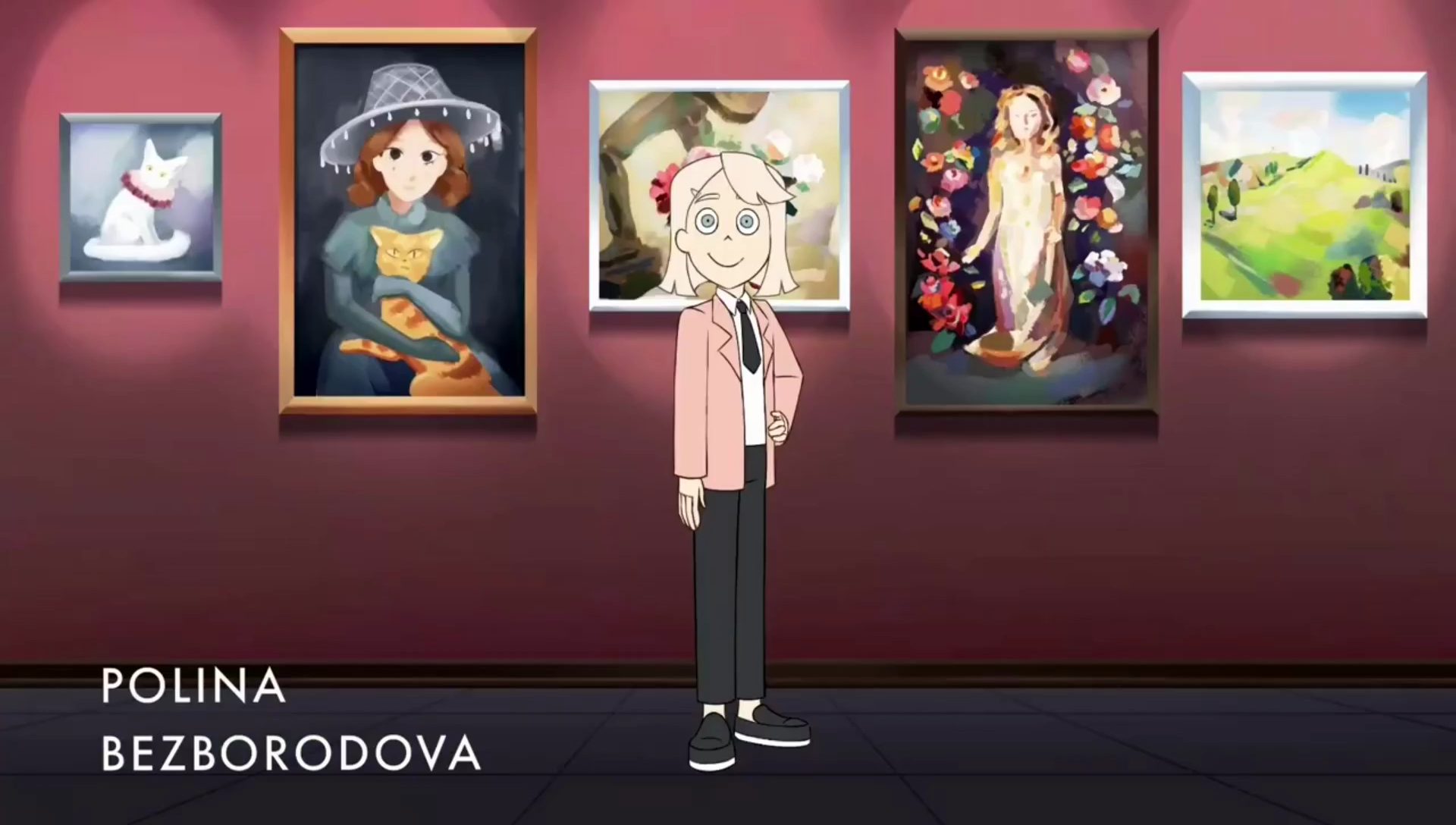
One of the biggest misconceptions animators have is that if they just make great work, it will speak for itself.
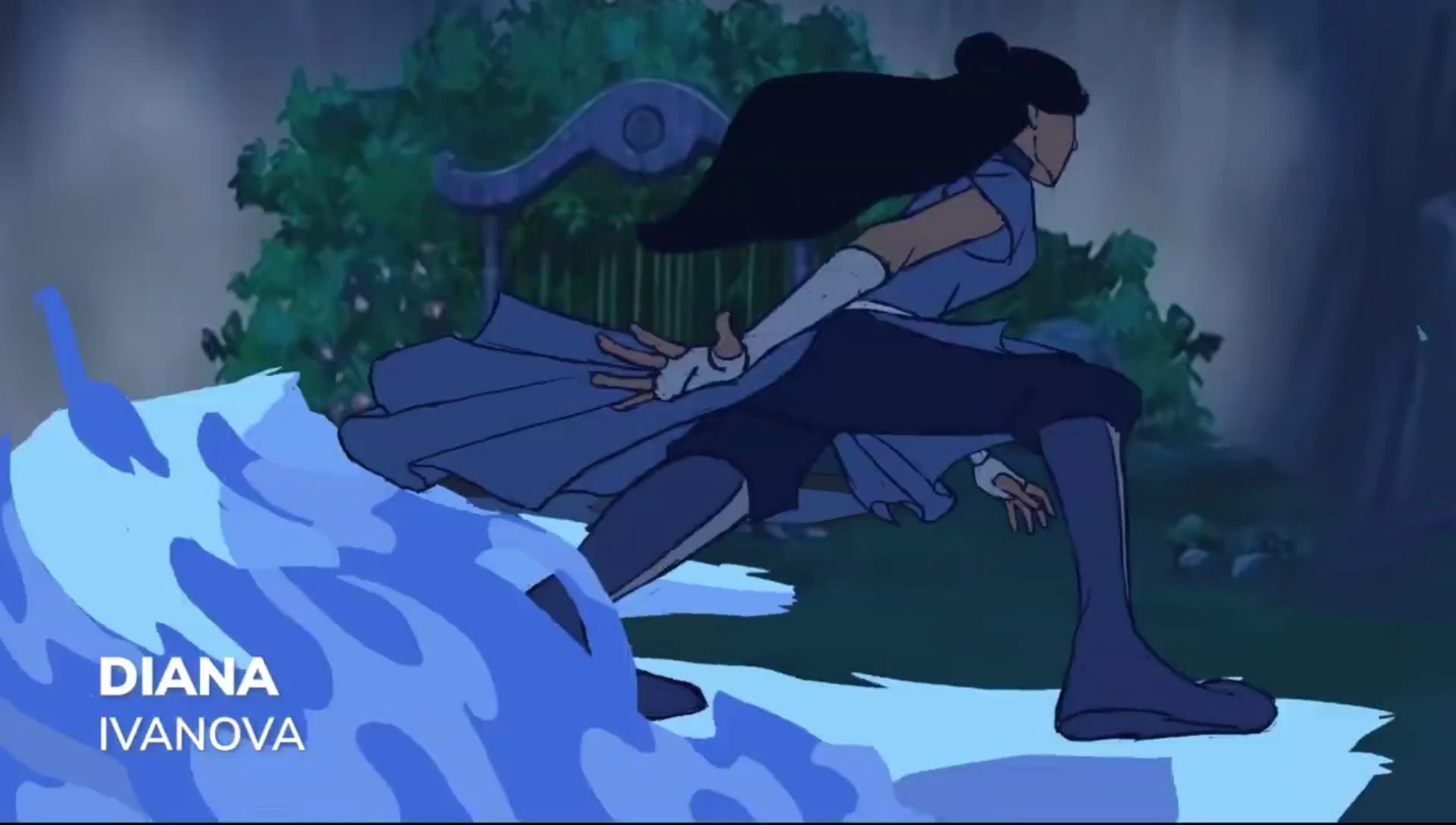
Many new animators start in the same place: creating work that feels exciting or unique. That’s not wrong.
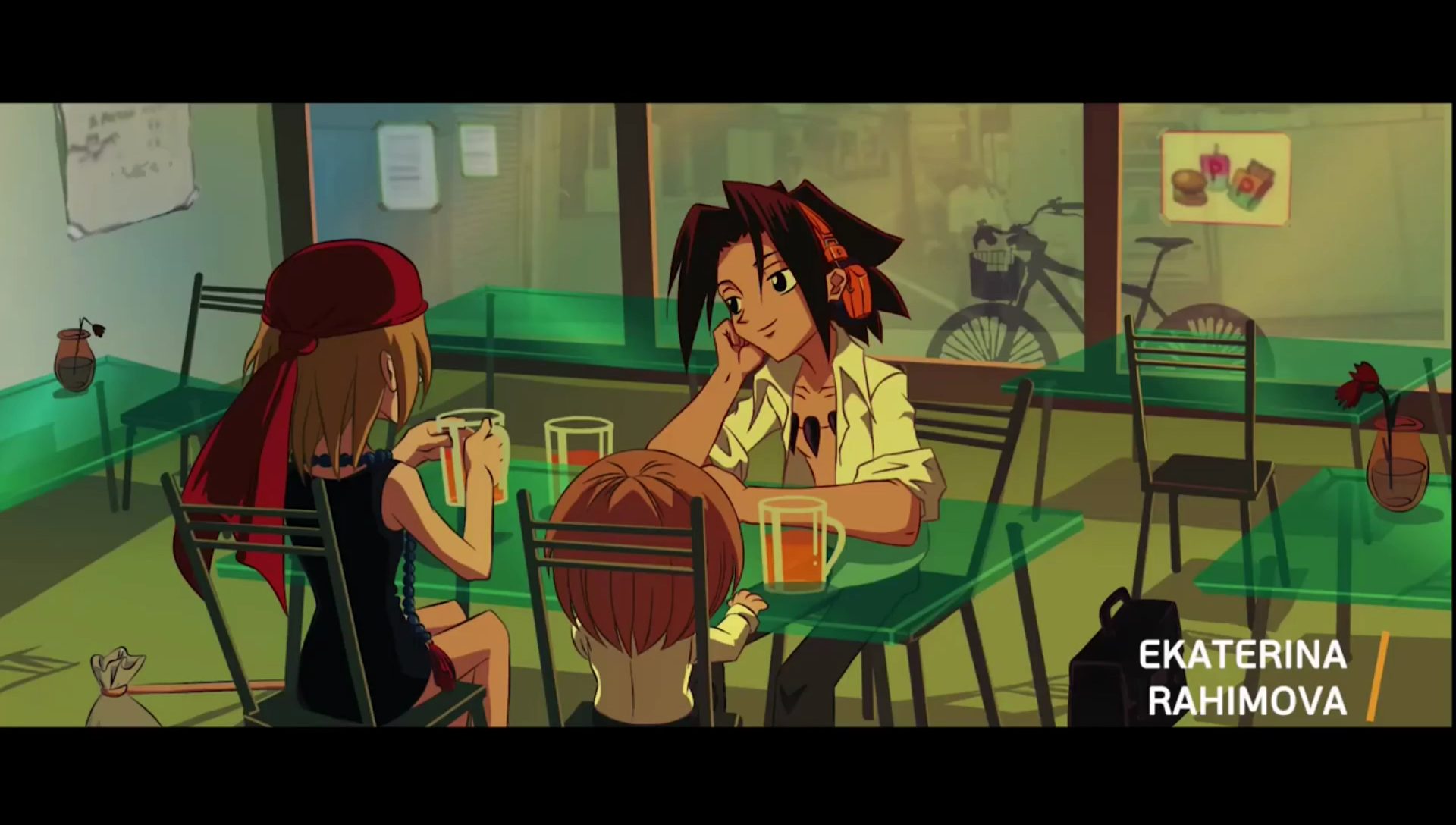
Once you’ve developed your skills and chosen the role you want to pursue, the next step toward your first animation job is networking.
Our team will reach out to you
within business hours.


Write about how the training went, whether the curators helped you, whether you benefited from the lessons
The review on the site will appear after pre-moderation.
The review on the site will appear after pre-moderation.
Sorry, we have some kind of error on the website. Please write to our support service.