
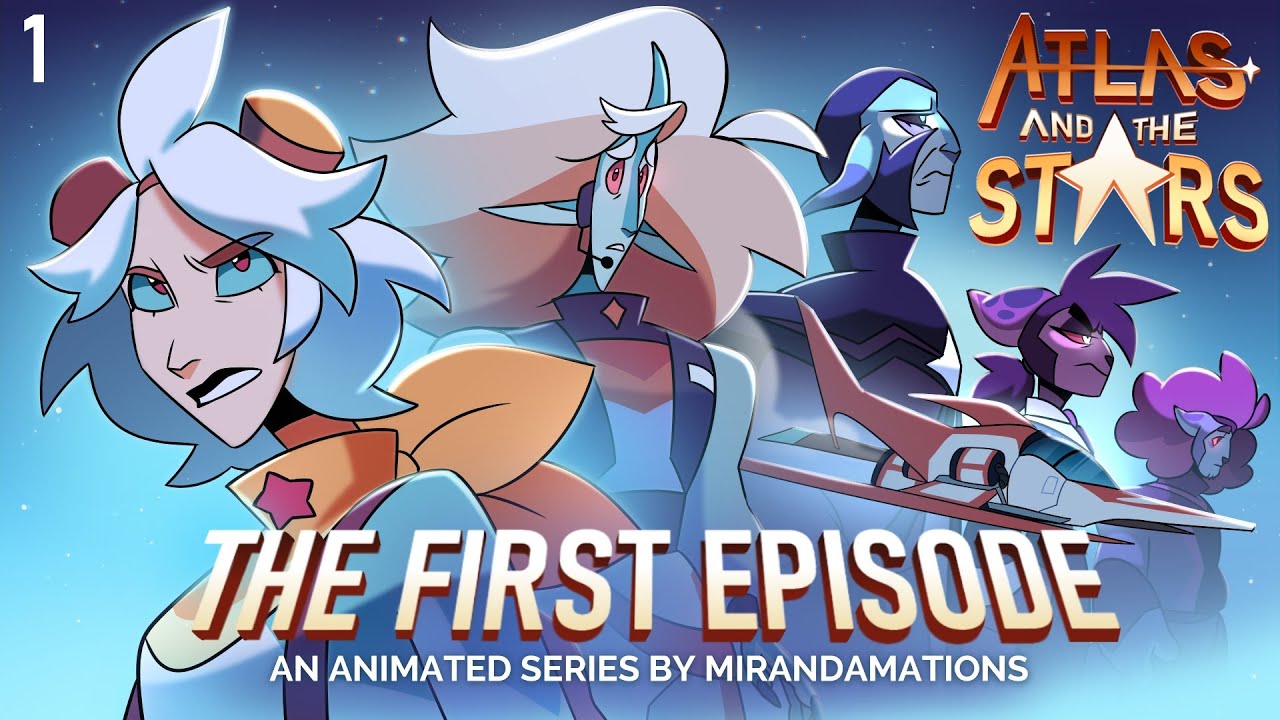
At Animation Club School, we’re always drawn to projects that prove one simple thing: a person’s creative vision can outshine limited resources. Atlas and the Stars is one of the best recent examples that we can think of. It’s an indie sci-fi animated series created almost entirely by Miranda Toney, an amazingly dedicated artist known online as Mirandamations. Her project shows just how far a self-driven creator can go when they build a world and go the extra mile to share that with others.
A World Emerging Episode by Episode
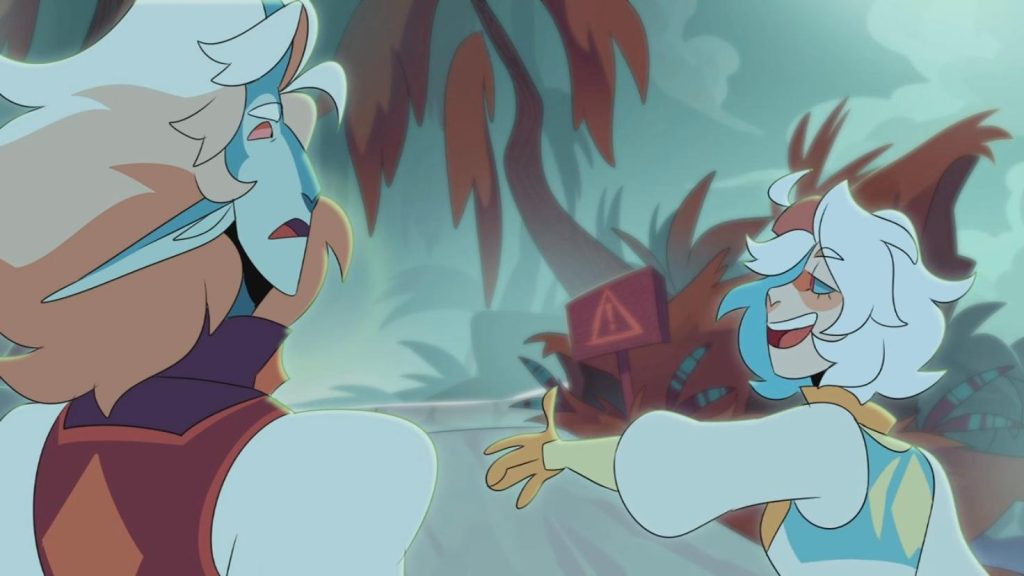
Atlas and the Stars follows a young woman named Atlas, who dreams of escaping her home planet and finally reaching the stars. Her impulsive attempt to steal a starship sets off a chain of cosmic events and forces her into an unlikely partnership with Atmosphere, a strict alien ship inspector. Stranded together on a dying planet called Quasonia, they must navigate strange anomalies and a collapsing world while trying to find a way back home.
As of now, the series consists of one full episode, released on 29 December 2023. It’s the first installment of a planned eight-episode arc. The project is still actively in production, and the second episode is expected around December 2025. You can find regular project updates on her instagram
Before releasing the main episode, Miranda created several short non-canon animation tests. It served as a stylistic experiment; here, she could share her passion for the characters she created while refining character designs, movement styles, and the emotional dynamic between the leads. This incremental workflow is something we often recommend to students when building their own projects. Starting out by testing their ideas early on, using clips from known audio clips to help shape a stronger final project.
One Person as a Studio
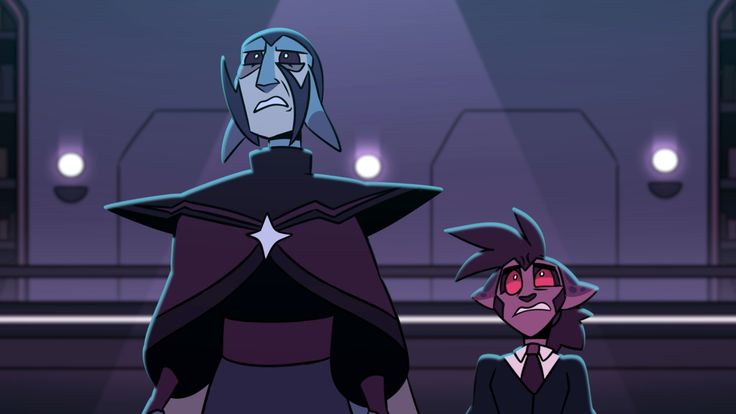
On the official project pages, that you can find on her website, Miranda notes that she handles almost everything herself, from writing and animation to music and editing. But she doesn’t isolate herself either. She brought in collaborators: voice actors, a sound mixer, and even a script editor when the project could benefit from having additional expertise. This is a great way to keep the project fun to work on without getting overwhelmed by all the tasks that come from working by yourself.
This hybrid approach, where one core creator is supported by small pockets of freelanced talent, is one of the healthiest and most realistic models for modern indie animation. Especially as it’s becoming increasingly important to produce original works outside the traditional format. This keeps the creative vision unified while still leaving room for professional quality where it matters most.
And if you’re interested in developing your own work with this kind of focused support, our Workshop: One-Month Intensive Mentorship might be helpful. It’s a one-month 2D animation mentorship program with personalized group guidance on your shots, sequences, or demo reels. New students submit animation samples beforehand so mentors can tailor the training to their level and goals.
Transparency and Audience Engagement
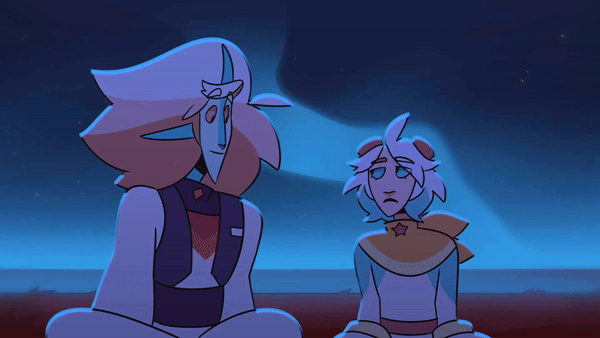
Audience engagement are essential for independent projects to thrive because they need active supporters to build community around their works. When creators openly share how their work is made, audiences feel included in the journey rather than only seeing the final product. This sense of involvement builds trust and emotional investment that helps keep interest during long-term commitment of creating a series. It’s especially important when an independent creator doesn’t have the financial safety net or marketing power of a large studio.
Mirandamations exemplifies this perfectly by sharing her production process so openly. You can find her storyboards, animation tests, musical sketches all across Patreon and social media. This openness builds an active audience long before new episodes drop. When people become emotionally invested in its creation they are more likely to stay interested in the project for longer because they want to seen it grow piece by piece.This transparent development model is a major reason Atlas and the Stars has already built a stable and enthusiastic community despite having only one episode released. Fans engage deeply: they analyze characters, explore the lore, and support the project financially through Patreon, a common resource that’s vital for many indie creators.
The IP Expands Beyond the Series
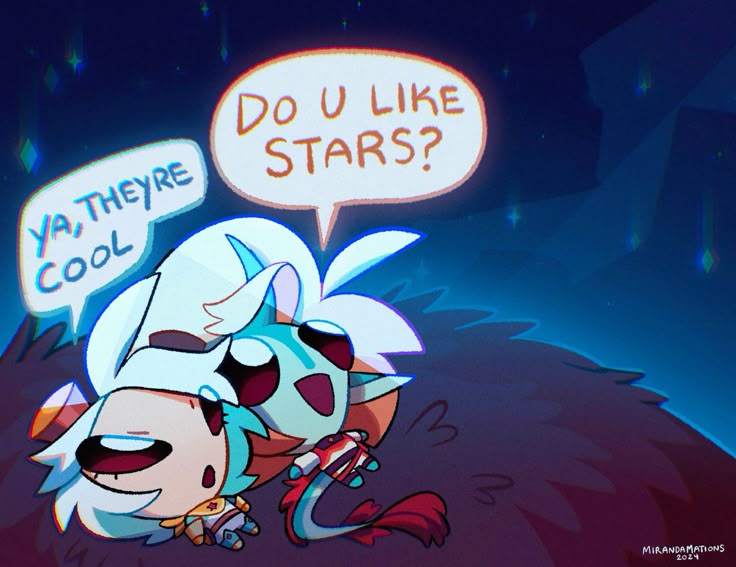
Around the main storyline, Miranda is also producing artwork, short comics, behind-the-scenes content, and a full soundtrack. The world of Atlas and the Stars feels broader than the series that is currently in the works. We can see this project evolving into several stories as it is being treated more like an IP than just a single offshoot tale.If you’re building your own world or short film, our Short Film Creation: Visual Development course can help structure your visual language, character design, and narrative worldbuilding so your project feels cohesive and intentional from the start.
Why This Matters for Students
Atlas and the Stars is another indie work proving that with dedication, tactful sharing, and time spent creating polished, memorable works, you don’t need a giant studio, a massive budget, or a huge team to create your dream series. What truly matters is vision, consistency, and the courage to build your world up piece by piece, even if you’re doing it alone. These are exactly the stories we love sharing with our students, much like our previous feature, «From Indie Dream to Mythic Screen: How GODs’ School: The Olympian Gods Came to Be a Legend». Indie creators often redefine what’s possible in animation, and their journeys are full of lessons worth studying.
Mirandamations shows students that progress is something you can share, celebrate, and grow from. Every storyboard, sketch, and rough animation becomes part of a larger creative journey. That journey is exactly the kind of story we want to hear our students create one day.
When you see an independent creator opening the door to their process, it reminds you that your own ideas are achievable and worth sharing. You don’t have to wait until your work is “perfect.” You just need to start somewhere, learn through trial and error then your audience will grow with you.
How You Can Start Sharing Their Work
Here are a few approachable steps anyone can take to begin building their own engaged audience:
1. Share the Process, Not Just the Finished Piece
Show off sketches, brainstorm notes, character drafts, early animatics, or test animations. People love seeing how something grows — not only the polished result.
Start small:
- Post a before/after drawing
- Share a one-panel storyboard
- Upload a 5-second animation test
Doesn’t matter where you start, JUST START!
2. Pick One Platform and Show Up Consistently
You don’t need to be everywhere. Choose one platform: Instagram, TikTok, YouTube Shorts, or even a school art blog, and stick with it.
Tip: Consistency matters more than volume. One post a week is plenty to start with
3. Talk About What Inspired You
Make short posts explaining:
- Why they designed a character a certain way
- What story idea they’re excited about
- What challenge they tackled in a project
People love stories and drama. By sharing your voice it motivates audiences to connect to the creator and creation more.
4. Ask for Feedback and Invite Participation
A simple question can spark engagement:
- “Which color palette works best?”
- “What should this character’s hobby be?”
- “Should this scene be funny or dramatic?”
People love contributing and feeling heard. It builds instant investment.
5. Celebrate Your Milestones (No Matter How Small)
- Finished your first background?
- Created a rough walk cycle?
- Wrote your first script draft?
Share it! And mark it as a big step for your project. Milestones show progress and make your journey feel real to others.
6. Keep Everything Authentically You
The most successful independent creators aren’t the ones with the flashiest tools at first. Usually, they’re the people who took a chance on sharing their personality, curiosity, and excitement about what they are creating. You’re going to make mistakes. You’re going to have setbacks. It will even take you longer than you could have ever imagined. But you don’t need to pretend to be professional to make it. You just need to be yourself and KEEP MOVING FORWARD.
Final Thoughts
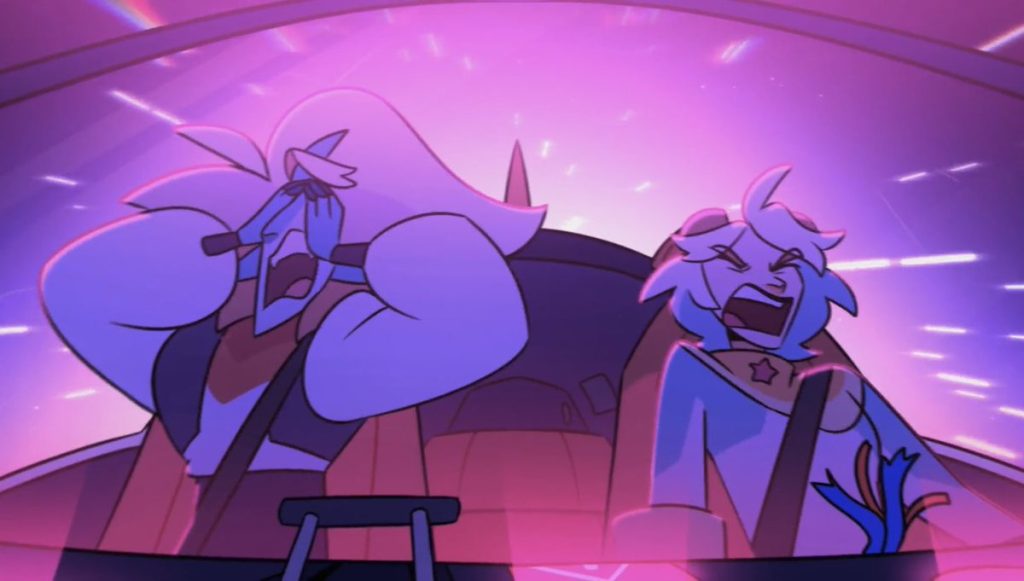
Atlas and the Stars is a case study in what one determined creator can build over time, with clarity and heart. The series has continued to grow in interest as it maintains a dedicated audience supporting its evolution. With more episodes on the way, we can’t wait to see where this cosmic adventure takes us.
For anyone dreaming of making their own animated universe, this project is a reminder: you don’t need a massive team to start something meaningful. You need an idea worth exploring — and the persistence to keep building.