
The anime industry is about more than creating shows. It demonstrates how animation can function across culture, business, and communication at a much broader level.
In Japan, anime isn’t limited to entertainment. It appears in advertising, branding, public messaging, and everyday life. It’s treated as a flexible form of communication that informs, persuades, and creates emotional connection.
In the West, animation is still catching up to that idea. It’s often framed as entertainment or style. It’s seen as something visually appealing, but not always essential to communication or business outcomes.
For animators, this gap is an opportunity.
Because when you look closely, the anime industry can do more than teach you a style of animation. It can show you how to use animation as a professional tool.
Animation As A Form Of Communication
One of the most important lessons from the anime industry is a shift in perspective: animation is not a niche. It’s a form of communication.
In Japan, nearly every industry will use animation without hesitation. You’ll see it applied to:
- Financial services explaining complex products
- Transportation systems guiding users clearly
- Retail and product marketing
- Public awareness and government campaigns
In contrast, Western markets often place animation into narrow categories:
- Content for children
- Fan-driven media
- Creative but non-essential work
- A novelty or gimmick
This perception limits how businesses use animation and how they value animators.
The takeaway is simple: If you treat animation like a niche skill, you’ll get niche opportunities. If you treat it as a communication tool, your career options expand significantly.
Characters Are Assets, Not Just Designs
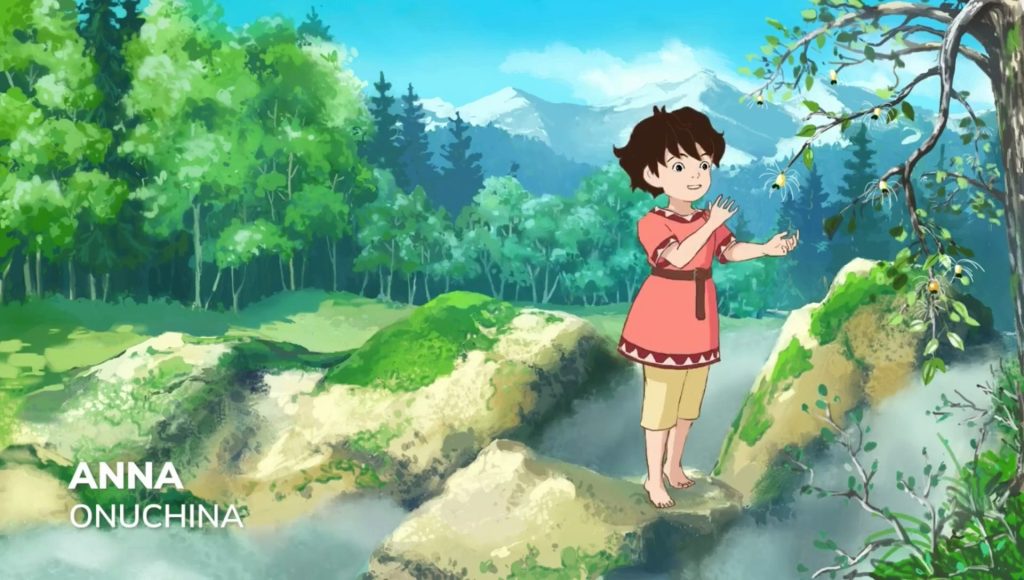
In the anime industry, characters are rarely treated as standalone visuals. Instead, they’re developed as long-term assets that build familiarity and evolve over time.
These characters are designed to:
- Represent brands, cities, or organizations
- Build emotional recognition
- Appear consistently across campaigns and platforms
Because of this, they become more valuable with time.
In contrast, many animators focus on short-term outputs:
- Isolated portfolio pieces
- Characters created for a single project
- Projects without long-term application
While this builds skill, it doesn’t always build career leverage.
A stronger approach is to think in terms of systems. Ask yourself:
- Can this character exist beyond one project?
- Can I reuse or expand it?
- Can it represent something larger?
When you think this way, your work shifts from isolated pieces to assets that can grow into long-term, career-building intellectual property.
Storytelling Isn’t Limited To Entertainment
The anime industry is known for storytelling, but its real strength is how widely the industry applies storytelling. It’s not limited to series or films. Stories appear in commercials, branded content, and even short campaigns.
No matter the length, the structure remains:
- Start with a clear setup.
- Add an emotional or relatable moment.
- Finish with a satisfying payoff.
The message is integral to the story, instead of an afterthought.
In many Western workflows, storytelling is often reserved for large-scale productions, while everyday content prioritizes speed over depth.
But storytelling isn’t about length. Even a few seconds of animation can create a meaningful connection when structured properly.
👉 This reflects how real studio briefs work.
You’re doing more than just animating. You’re solving communication problems through storytelling. That’s the mindset we train in every project.
Emotion Drives Attention
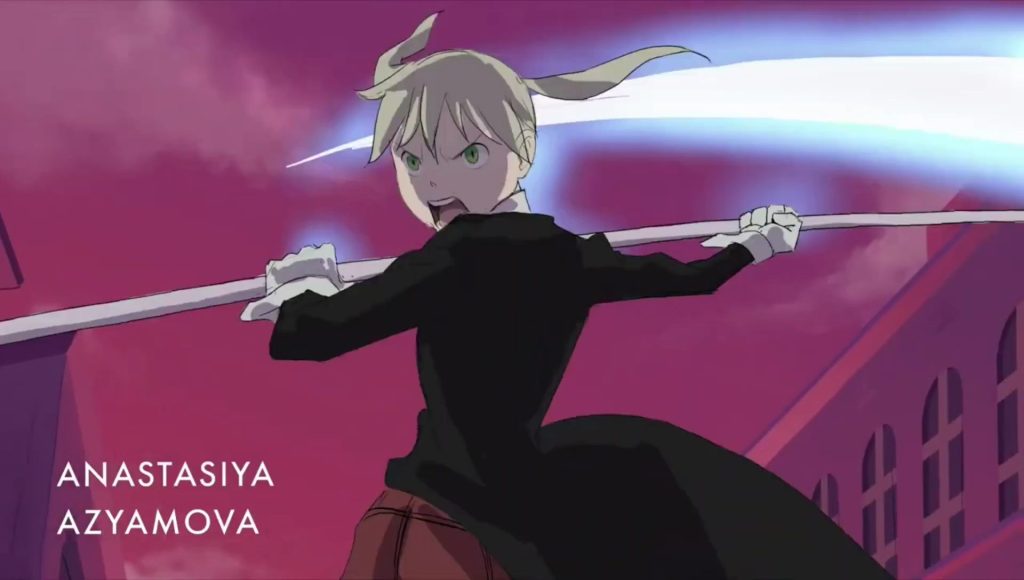
Anime campaigns often stand out because they prioritize emotion over pure spectacle. They focus on moments that feel human, like nostalgia, quiet reflection, or relatable experiences.
These emotional elements create stronger engagement because they give the audience a reason to care.
Western content, by contrast, often leans heavily on humor and fast pacing. These can capture attention quickly, but they don’t always create lasting impact.
Emotion does. It improves:
- Memorability
- Engagement
- Connection with the audience
For animators, this means thinking beyond how something looks and focusing on how it feels.
Collaboration Expands Reach
The anime industry thrives on collaboration. Animation frequently intersects with other industries, creating partnerships that expand reach and relevance.
These collaborations often include:
- Brands and consumer products
- Transportation systems and public services
- Retail campaigns and cultural franchises
This allows animation to exist within a larger ecosystem, rather than as a standalone piece.
Many Western animators underestimate and underutilize collaboration. Working in isolation can limit both visibility and opportunity.
Collaboration, on the other hand, allows you to:
- Connect with existing audiences
- Expand your reach
- Create more meaningful projects
Animation Can Simplify Complex Ideas
One of the most practical uses of animation in Japan is simplifying complex or serious topics. From disaster preparedness to public education, animation is often the best choice because it makes information clearer and more engaging.
It helps by:
- Visualizing abstract ideas
- Guiding attention step by step
- Making content more approachable
In many Western contexts, similar information is delivered through text-heavy formats or static visuals. While informative, these formats aren’t always engaging.
For animators, this represents a strong opportunity. The ability to simplify communication is valuable across industries such as:
- Education
- Healthcare
- Technology
- Marketing
👉 These are the kinds of projects that are in demand.
We train you to create work that communicates clearly, because that’s what clients and studios need.
Style Matters, But Strategy Matters More
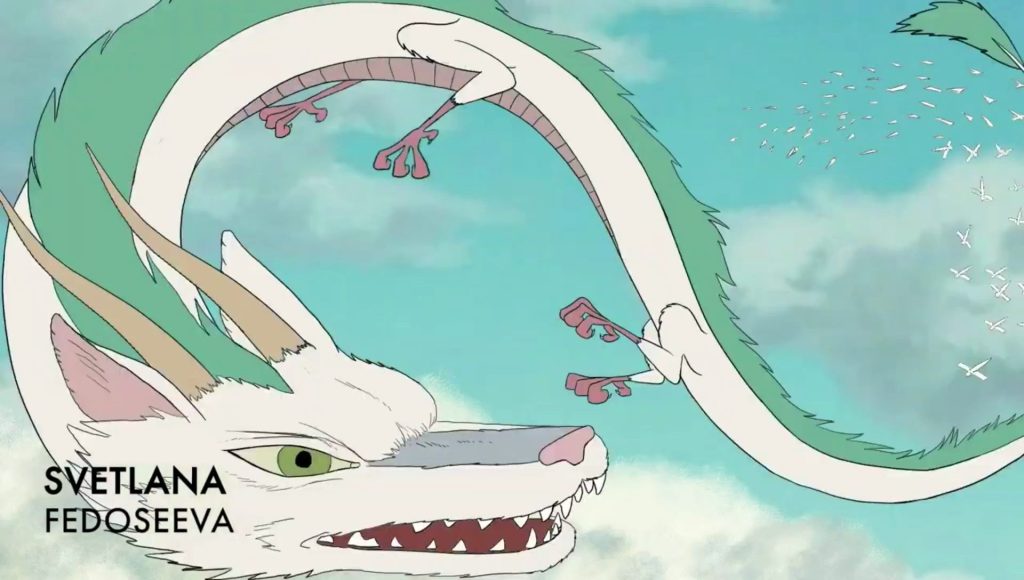
Anime is often recognized for its visual identity, but its effectiveness comes from how that style is used strategically.
Many animators focus heavily on improving their style:
- Refining aesthetics
- Mastering movement
- Creating polished visuals
These are essential skills, but they’re only part of the equation.
What makes animation valuable is understanding:
- Who it’s for
- Where it will be used
- What it needs to achieve
When style and strategy work together, animation becomes both visually strong and professionally effective.
Distribution Is Part Of The Craft
Another major difference is how content is distributed. In Japan, animation is designed with placement in mind. It appears across multiple environments, including:
- Television and streaming
- Public spaces like trains and billboards
- Mobile apps and social media
This ensures it reaches people.
Many animators focus primarily on creation, without considering how viewers will experience or discover their work. This limits impact, even when the work itself is strong.
Understanding distribution means understanding:
- Platform behavior (TikTok, YouTube, Instagram)
- Content formats and timing
- Audience interaction patterns
The Shift From Artist to Problem-Solver
Perhaps the most important lesson from the anime industry is a mindset shift. Animation is more than a purely artistic pursuit. The anime industry uses animation as a tool to solve problems like:
- Improving communication
- Increasing engagement
- Strengthening brand identity
Many animators begin by focusing on expression and technical skill. While these are important, they don’t always align directly with industry demand.
The transition to a professional career requires thinking differently. It involves understanding audience needs, business goals, and practical outcomes.
When your work contributes to a clear result, it becomes much more valuable.
Turning These Lessons Into Opportunity
Applying these lessons means combining creativity with strategy. It involves designing work that’s visually strong, while also being purposeful and relevant.
In practice, this might include:
- Creating short-form animated content for social media
- Developing reusable character systems
- Building portfolio pieces based on real-world briefs
- Packaging your skills into clear service offerings
However, making this shift alone can be challenging. Without structure or feedback, it’s easy to remain in a cycle of disconnected projects.
👉 This is where structured training makes a difference.
With the right guidance, you can build a portfolio that reflects real hiring standards and positions you for professional opportunities.
Conclusion
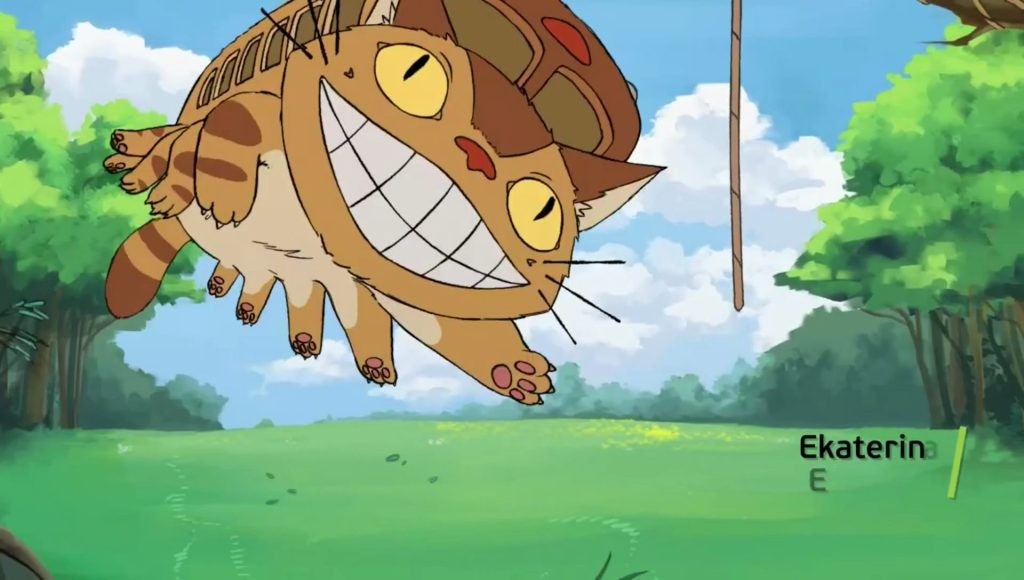
The anime industry shows what happens when animation is treated as more than entertainment.
It becomes a communication tool, a branding system, and a way to create emotional connection at scale.
The opportunity for animators is to understand how anime is used, rather than trying to copy it.
That’s the crucial shift: thinking like a professional.
🚀 Ready to Turn These Ideas Into a Job-Ready Portfolio?
If you want to apply these principles, rather than just studying them, you need:
- Structured projects based on studio workflows
- Feedback from working industry professionals
- Portfolio pieces that meet hiring expectations
That’s exactly what our courses are designed to help you build.
👉 Explore the courses and start building your industry-ready portfolio.