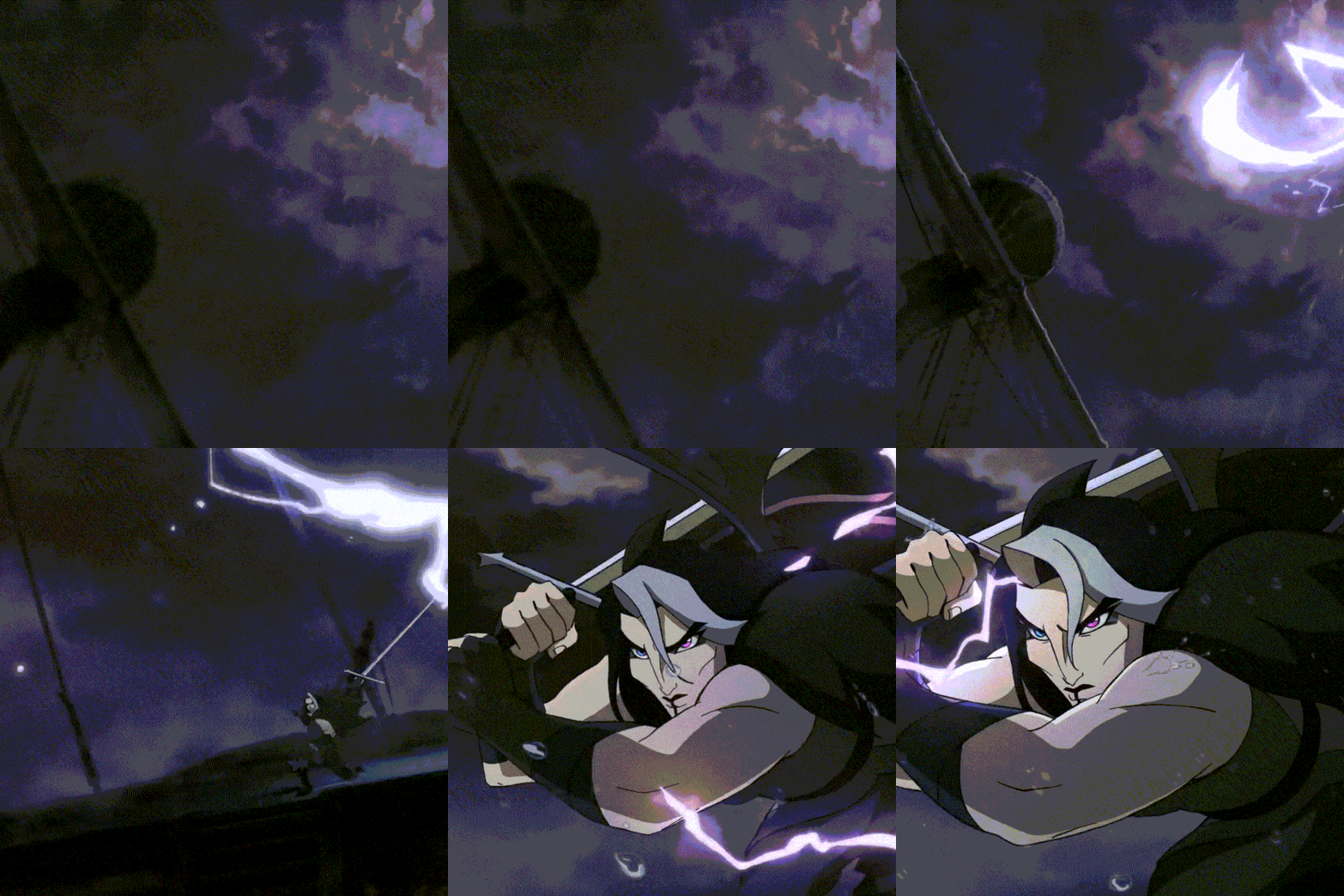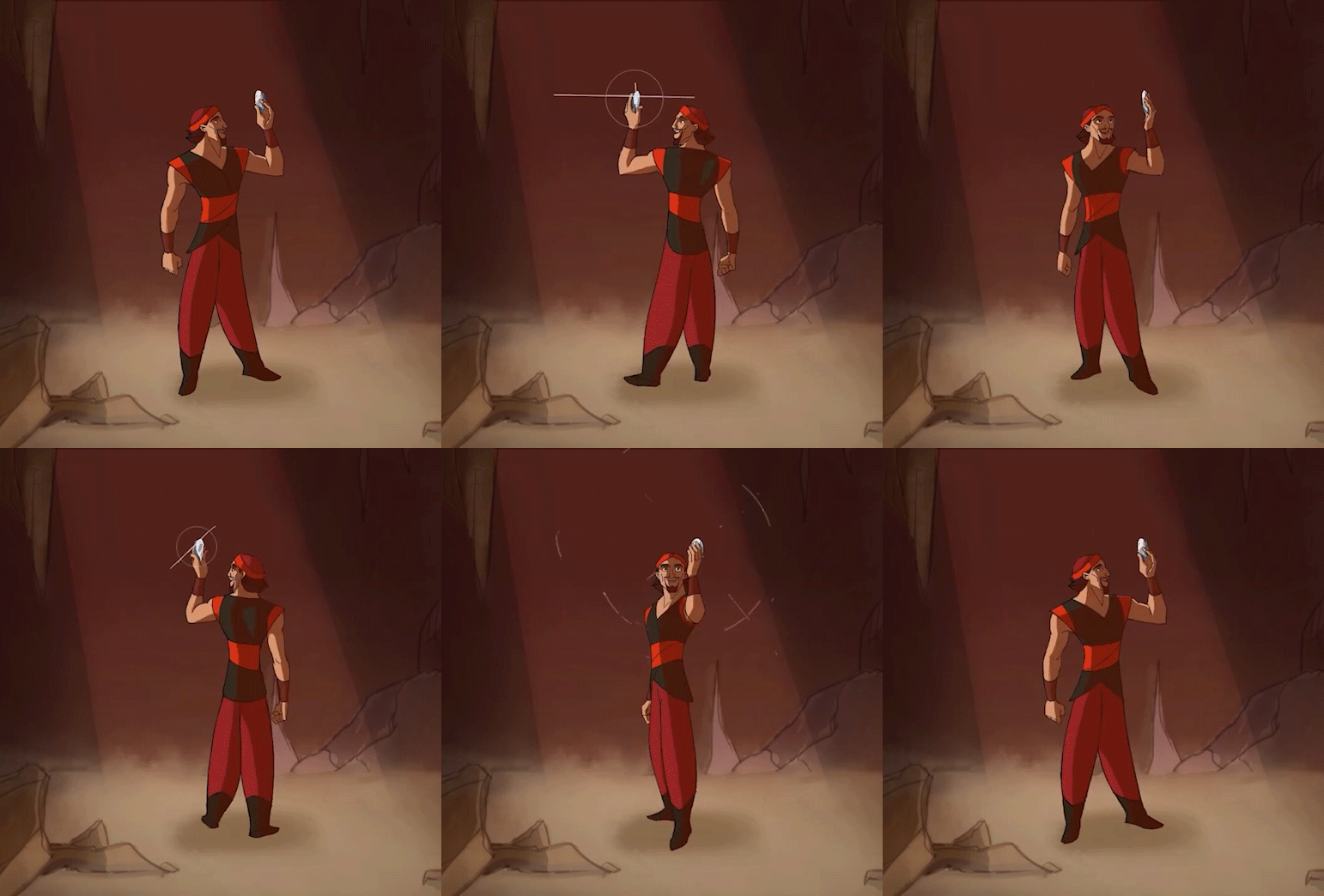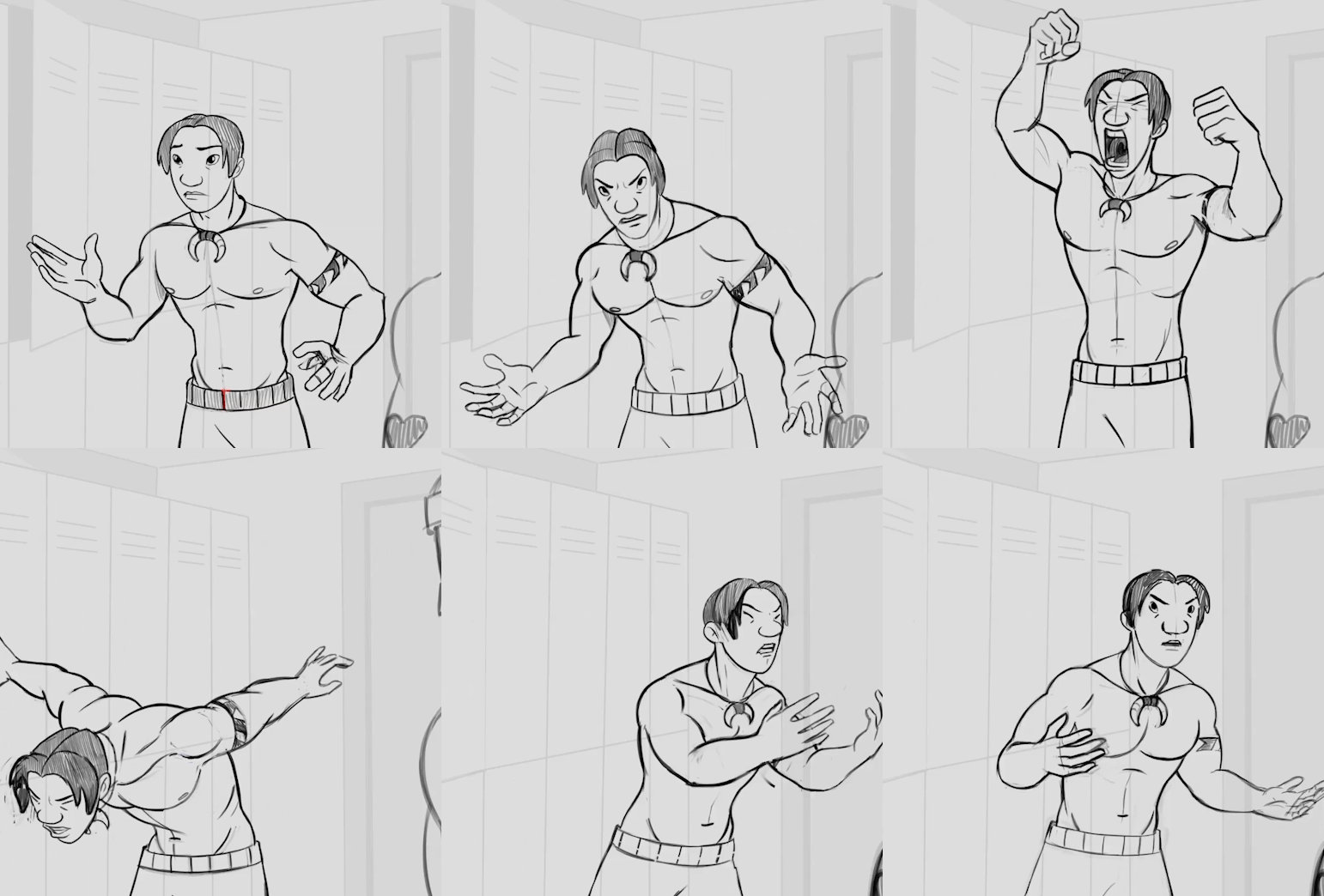

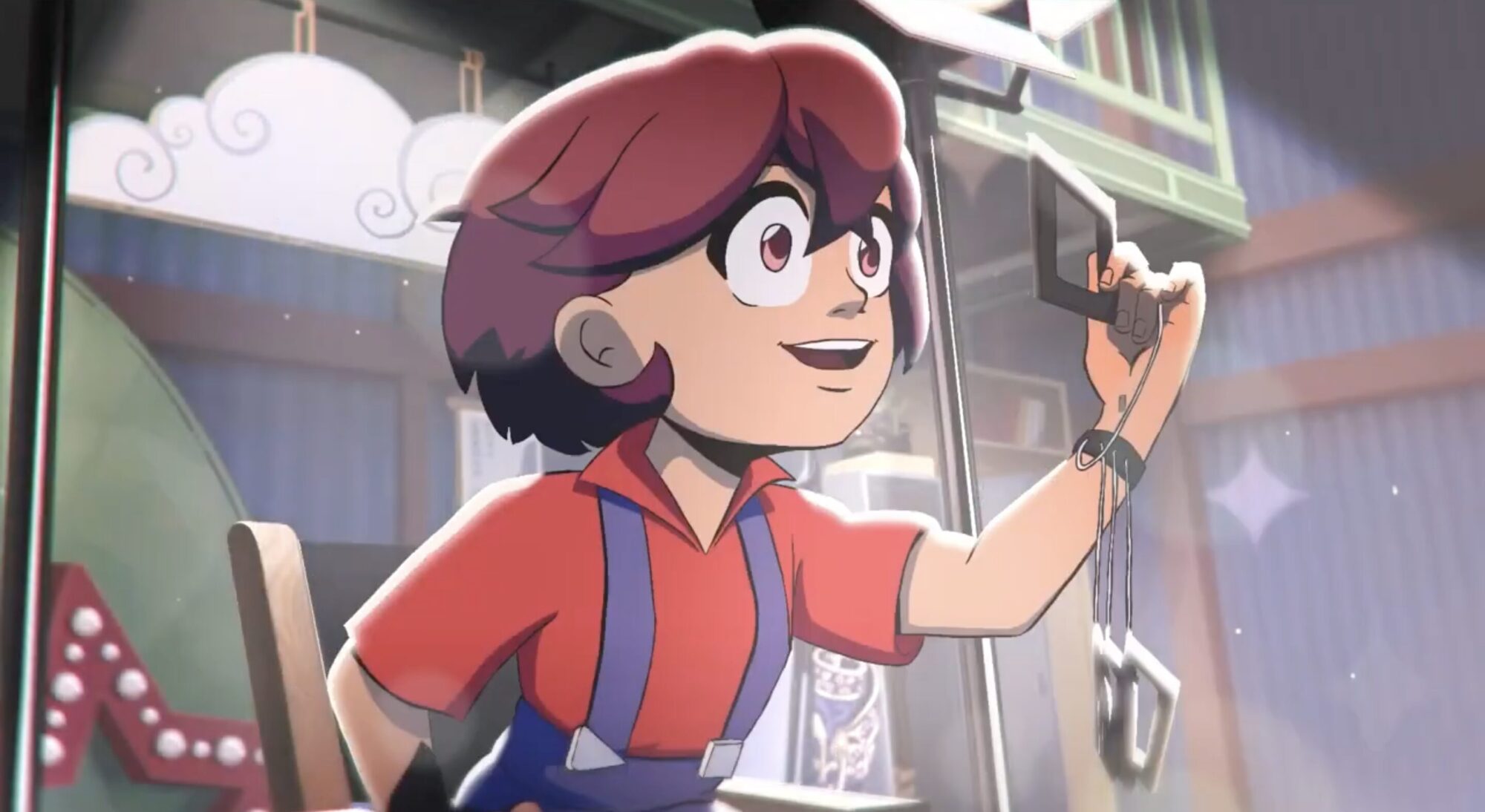
The animation industry is changing.
That’s not necessarily good news or bad news—it’s simply reality. Hiring cycles are becoming less predictable, production pipelines continue to evolve, and new technology is reshaping how content gets created and distributed. Unsurprisingly, much of the conversation around these changes focuses on what’s being lost: fewer opportunities, increased competition, and uncertainty about what the future might look like.
But focusing exclusively on those concerns can make it easy to miss something important.
When creative industries go through periods of transformation, the artists who succeed are rarely the ones who spend the most time wishing things would stay the same. They’re usually the ones who learn how to adapt.
That’s why the film industry offers such an interesting comparison for animators.
For decades, filmmakers have worked in an environment where opportunities come and go. Productions begin and end. Studios change direction. Trends shift. Success has never depended on securing one job and following a predictable path for the rest of a career. Instead, the most successful filmmakers, writers, actors, and directors have learned how to create opportunities alongside the opportunities they’re given.
As animation becomes more decentralized, that may be one of the most valuable lessons animators can learn.
Stop Building Your Career Around One Outcome
The traditional dream for many artists has always been straightforward: build a portfolio, get hired by a studio, and start working professionally.
There’s nothing wrong with that goal. Studio experience remains one of the best ways to develop your skills, collaborate with talented artists, and learn how large productions operate.
The challenge is that many artists stop there.
When your entire career strategy depends on getting hired, your future becomes tied to decisions that are largely outside your control. Hiring freezes happen. Productions get delayed. Studios restructure. Even highly skilled artists can find themselves waiting for opportunities that may not arrive on the timeline they hoped for.
The film industry learned long ago that relying on a single source of opportunity creates vulnerability. That’s why many creative professionals build careers from multiple streams of work. They take on studio projects while developing personal ones. They collaborate with other creators. They explore freelance opportunities. And they continue creating even when a major production isn’t on their schedule.
For animators, the lesson isn’t that studio work matters less.
It’s that your career becomes stronger when studio work is one pillar of your professional life rather than the entire foundation.
Building that foundation starts with strong fundamentals. Professional-level skills, portfolio-ready work, and an understanding of industry expectations give artists more options when opportunities arise. The more prepared you are, the easier it becomes to pursue opportunities instead of waiting for them.
Join our Traditional 2D Animation Basics course to learn strong fundamental skills that will be the foundation for your animation journey.
Build Visibility and Momentum
Another area where animation can learn from film is visibility.
Film audiences often know the people behind the work. They follow directors whose storytelling they admire, actors whose performances resonate with them, and creators whose creative voice feels unique. In animation, artists often remain invisible behind the projects they contribute to.
Historically, that wasn’t necessarily a problem. Today, however, visibility creates opportunities.
That doesn’t mean every animator needs to become an influencer or spend their days chasing social media trends. It simply means allowing people to connect with the person behind the artwork. Sharing your process, documenting your growth, discussing creative challenges, or showing work in progress helps people understand what makes you different from the thousands of other artists posting online.
A portfolio demonstrates your skills.
An audience remembers your name.
Both can open doors.
The film industry also understands something that many artists struggle with: momentum matters.
Movies don’t get released because every creative decision is perfect. They get released because at some point the work is completed, reviewed, and shared with an audience. Every finished project creates experience, feedback, and lessons that inform the next one.
Animators often approach personal work differently. It’s common to spend months refining a project, endlessly adjusting details in pursuit of something better. While that commitment to quality can be valuable, it sometimes comes at the expense of progress.
The ability to consistently finish work helps you:
- Build a stronger portfolio
- Develop production discipline
- Learn faster through repetition
- Demonstrate reliability to clients and studios
One finished project rarely changes a career.
A habit of finishing projects often does.
Think Like a Creator, Not Just a Technician
Many animators spend years mastering software, workflows, and technical skills. Those skills are essential. But technical ability alone rarely generates opportunities. It simply prepares you to contribute when opportunities appear.
Creators do something more.
They develop characters. They explore concepts. They test stories. They build worlds. Instead of waiting for someone else to decide what gets made, they actively participate in generating ideas worth making.
That’s where personal intellectual property becomes so valuable.
When people hear the term “IP,” they often imagine billion-dollar franchises or feature films. In reality, every major property started as a much smaller idea. A recurring character. A short comic. A simple world concept. A story that gradually expanded over time.
Building your own IP isn’t necessarily about becoming the next major entertainment company. It’s about creating assets that belong to you. Personal projects can strengthen your portfolio, attract collaborators, grow an audience, and sometimes evolve into opportunities that would never have existed otherwise.
Ownership creates options.
And options create resilience.
Many artists have ideas they’d love to develop but struggle to move from concept to completion. This is where mentorship, feedback, and structured learning can make a significant difference. A small project that gets finished and shared often creates more opportunities than a great idea that never moves beyond the sketchbook.
Our students get the chance to develop their ideas, and see their concepts come to life through the Visual Development track in our Short Film Creation Course, experiencing a real production pipeline, resulting in a professional level project! Check out our students awesome work here!
Pay Attention to Where Opportunities Are Growing
That resilience is becoming increasingly important because some of the most exciting opportunities in animation are emerging outside the traditional studio system.
For years, many artists viewed studio work as the primary destination for a professional animation career. While studios remain an important part of the industry, they’re no longer the only place where meaningful opportunities exist.
Some of the fastest-growing opportunities for animators today include:
- Indie games
- YouTube animation
- Branded content
- Creator-led media companies
- Virtual production
- Real-time animation workflows
In many cases, these spaces reward creators who can move quickly, adapt to new pipelines, and contribute across multiple areas of production.
That’s why adaptability has become such a valuable professional skill.
Being adaptable doesn’t mean mastering every discipline or trying to become an expert at everything. It means remaining flexible enough to recognize opportunities when they appear and capable enough to contribute when they do. Artists who understand multiple parts of the production process often find themselves better positioned when the industry shifts because they have more ways to create value.
And if the past decade has taught us anything, it’s that the industry will continue to shift.
The Future Belongs to Builders
Many artists look at the current state of animation and see uncertainty. That’s understandable. Change can be uncomfortable, especially in creative industries where career paths have traditionally felt difficult to navigate.
But another way to look at what’s happening is this: animation isn’t becoming less important. If anything, animated content is appearing in more places than ever before. What is changing is how opportunities are distributed.
For decades, a relatively small number of companies controlled most production, distribution, and career opportunities. Today, creators have access to tools, platforms, audiences, and distribution channels that previous generations could only dream of.
That doesn’t make success easier.
But it does create new possibilities.
The animators who thrive in the years ahead will still need strong fundamentals. They’ll still need excellent portfolios. They’ll still need professional-level skills.
But increasingly, they’ll also need the ability to create momentum around those skills.
They’ll need to develop ideas, build relationships, share their work, explore opportunities, and continue creating even when no one is assigning them a project.
And perhaps most importantly, they’ll need to commit to continuous growth. The artists who adapt most successfully are often the ones who never stop learning—whether that’s improving their animation skills, expanding their understanding of production, or developing the creative and professional habits that help careers grow over time.
Because the future won’t belong exclusively to artists who can do the work.
It will belong to artists who know how to create opportunities around it.
Join our courses today to begin your animation journey, hone your skills, produce professional level portfolio work, and build a successful career by creating your own opportunities.