
Most aspiring animators dream of working on films, series, or games.
So when you start your training, and the instructor asks you to animate a bouncing ball or a flour sack, it’s natural to wonder:
How does this help me become a professional animator?
The answer is simple: these exercises teach the same core skills studios expect artists to demonstrate throughout their careers.
Animation Club School graduate Mateo Serrano experienced this firsthand while working through our Traditional 2D Animation Basics course. What started as a series of seemingly simple assignments became a deeper exploration of the skills behind professional animation.
Reflecting on the experience, Mateo shared:
“What seemed to start as a very simple exercise of a bouncing ball turned out to be a plethora of different fun and exploratory exercises…”
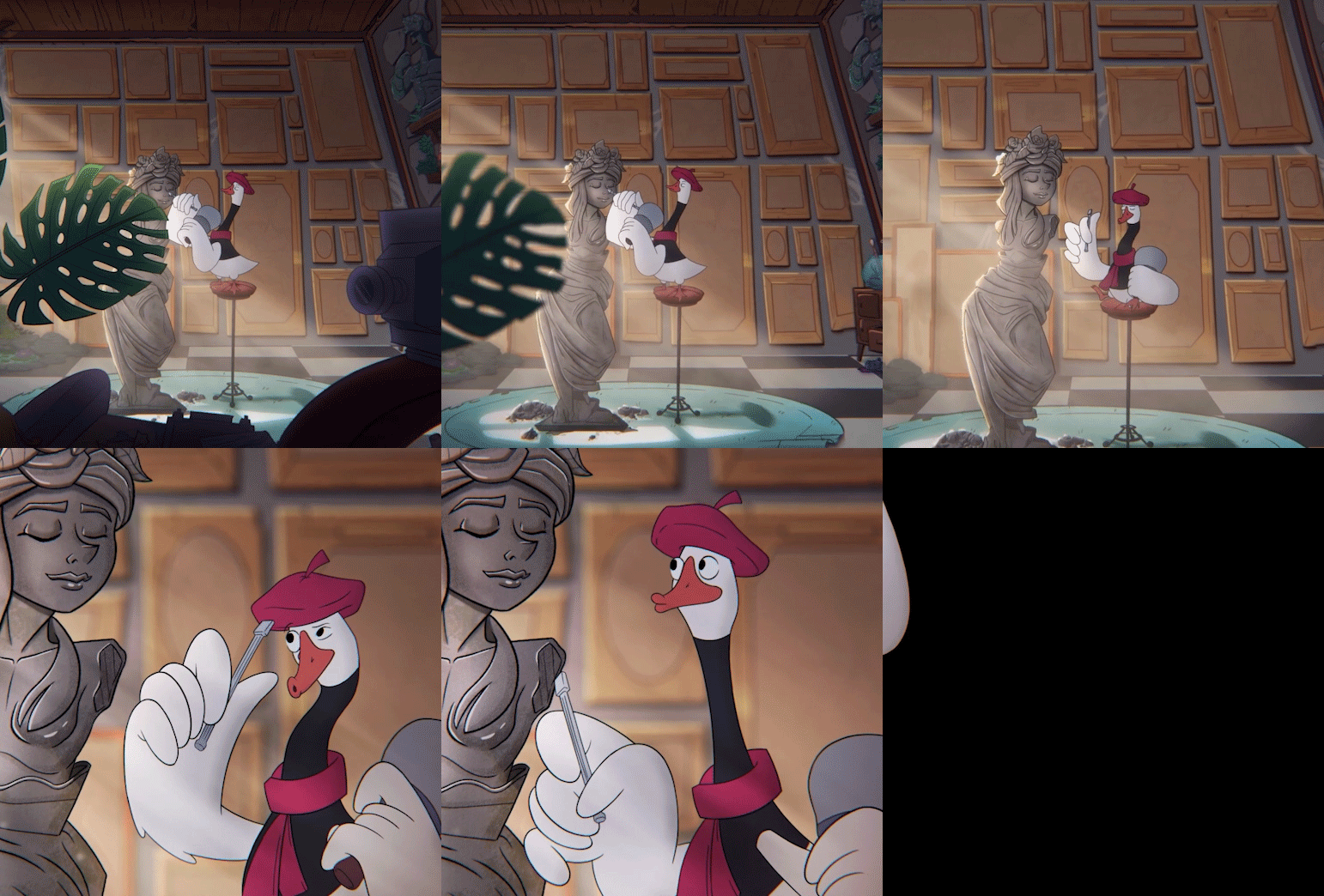
Mateo recently featured several projects from the course as part of a 2026 Rookie Awards entry on The Rookies, a platform where emerging artists showcase their work to a global community of artists, recruiters, and industry professionals. Looking through the projects offers a glimpse into how foundational exercises help students develop the skills that eventually support portfolio pieces, production work, and career growth.
And that progression is intentional.
Each assignment in the course introduces new challenges while reinforcing the animation principles professionals rely on every day. What may look like a simple exercise often teaches far more than you might expect.
The Bouncing Ball: Learning Weight, Timing, and Physics
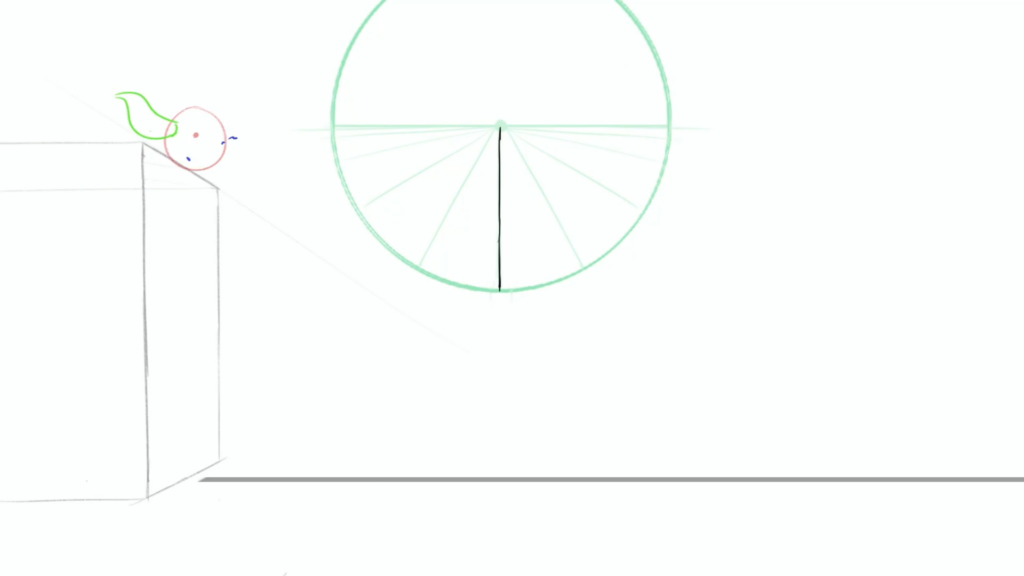
The bouncing ball is often one of the first exercises animation students encounter.
At first glance, it seems incredibly simple. There are no character performances, elaborate designs, detailed backgrounds, or cinematic camera moves. However, this exercise introduces several of the most important skills an animator can learn.
Students begin exploring:
- Timing and spacing
- Gravity and momentum
- Squash and stretch
- Acceleration and deceleration
- Observation and analysis
A bouncing ball teaches animators how movement behaves.
Every bounce communicates information about weight, material, force, and energy. A bowling ball moves differently than a tennis ball, and a rubber ball behaves differently than a sandbag.
Learning to recognize and communicate those differences is a fundamental skill for creating believable animation.
More importantly, students begin developing a habit that professional animators rely on throughout their careers: observation.
The ability to study movement, understand why it behaves the way it does, and translate that understanding into animation is one of the foundations of studio-quality work.
Flour Sacks: Learning Performance Without Dialogue
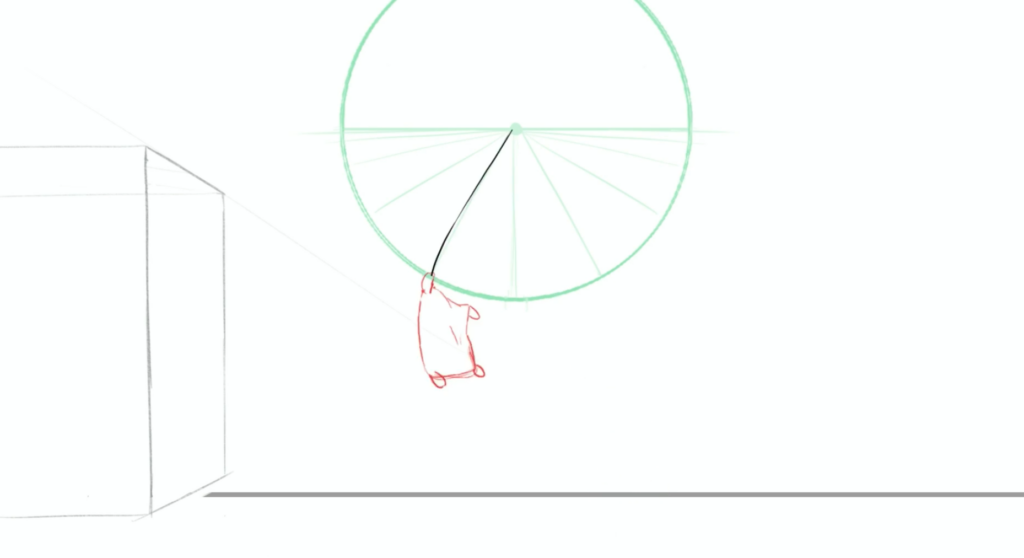
Once students understand basic movement, the next challenge is communication.
One of the most effective ways to teach this is through flour sack animation.
Without facial features or detailed anatomy, a flour sack forces students to focus on posing, timing, and body language.
Can a simple shape appear happy?
Can it look tired, nervous, excited, or frustrated?
Students quickly discover that animation is more than a series of moving drawings. Animators also have to communicate ideas and emotions to an audience.
This exercise introduces many of the same performance concepts animators later use when working on character acting shots for films, television series, and games.
The character may be simple, but the skills being developed are directly applicable to professional animation work.
Check out our livestream, where we demonstrate giving life and character to the animated flour sack!
Character Turnarounds: Learning to Think in Three Dimensions
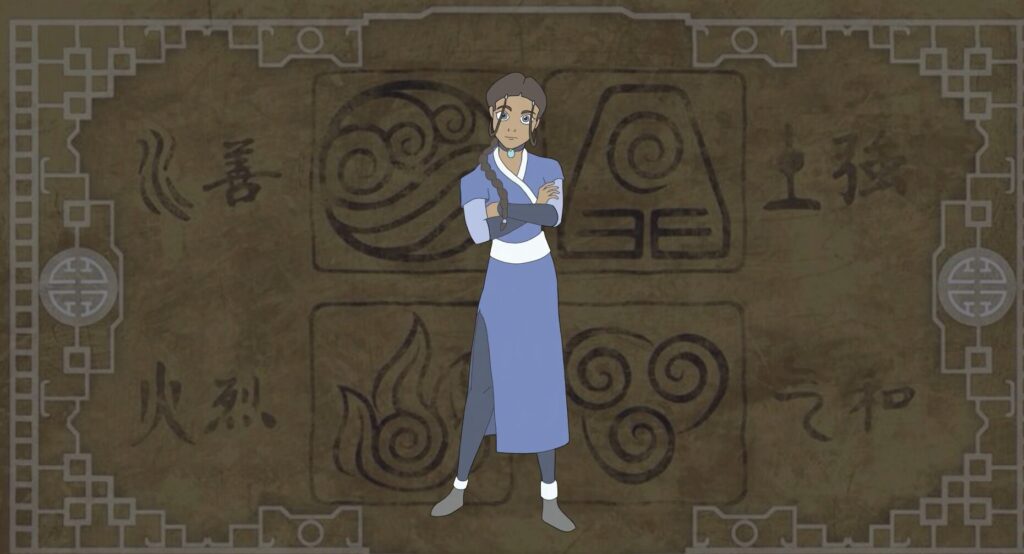
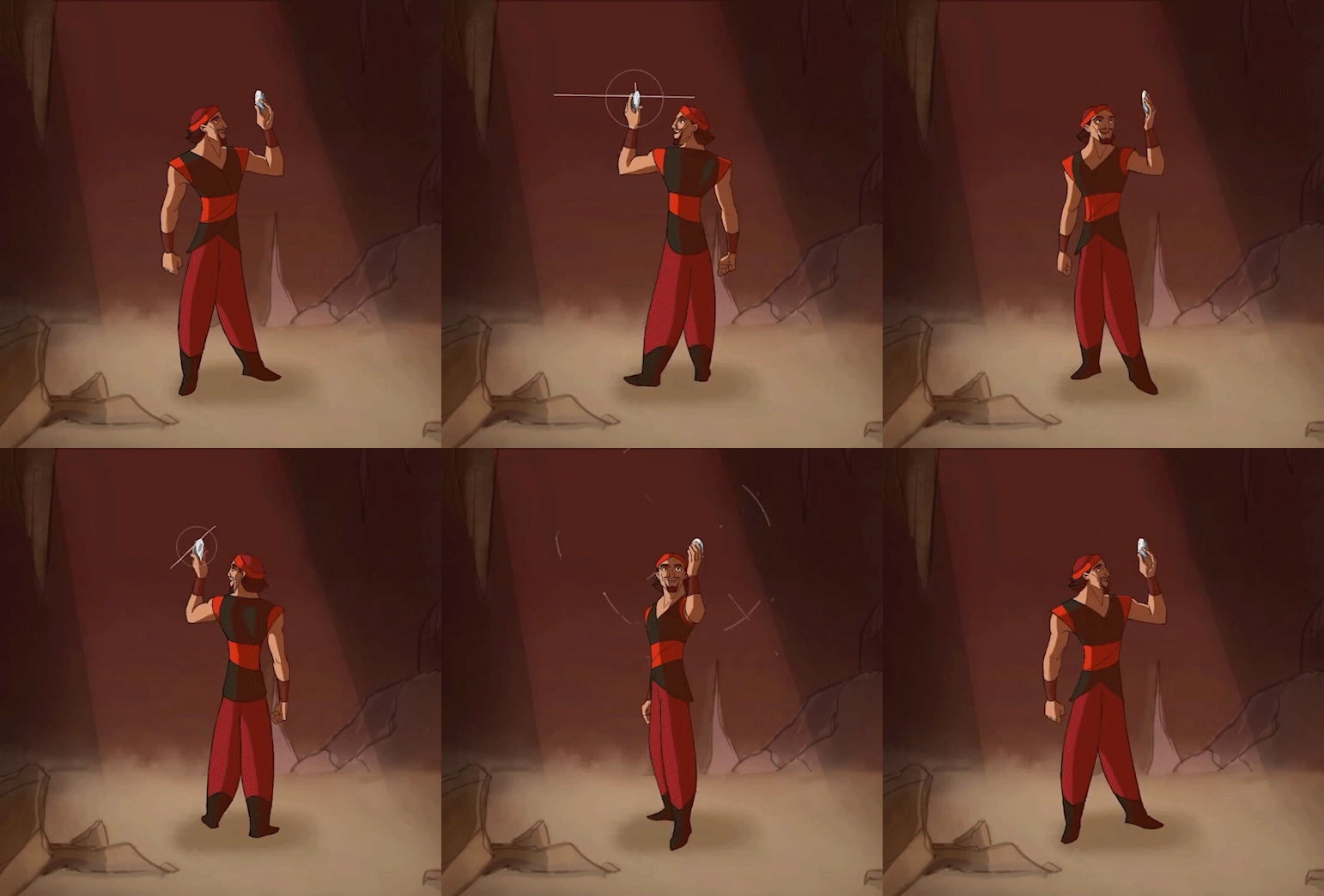
For Mateo, one of the most memorable assignments involved creating a character turnaround.
“This must have been my favorite and most frustrating exercise.”
Character turnarounds often reveal an important challenge for developing artists: understanding a character from every angle.
It’s relatively easy to draw a character in a favorite pose. Maintaining consistency while rotating that same character through a complete turnaround is far more demanding.
Students learn to think beyond individual drawings and begin understanding characters as three-dimensional forms.
During this process, many artists discover another valuable lesson:
Good reference leads to stronger drawings.
Using reference helps artists understand proportions, volume, perspective, and construction. Rather than relying on guesswork, students learn how to build characters that remain consistent from one drawing to the next.
This becomes increasingly important as projects grow more complex and artists begin creating portfolio pieces that reflect professional standards.
Strong Poses Create Strong Animation
One lesson appears throughout the entire course: the importance of clear posing.
Before an audience notices smooth animation or beautiful linework, they need to understand what they’re looking at.
A strong pose communicates an action or emotion immediately, but a weak pose can make even technically correct animation feel confusing.
This is why professional animators often test their drawings as silhouettes.
By reducing a pose to a simple black shape, artists can quickly determine whether the action reads clearly. If important forms overlap or the intention becomes unclear, you can make adjustments before the animation progresses further.
Students learn that animation is fundamentally about communication, and every pose should support the story you’re telling.
How These Exercises Build Professional Skills
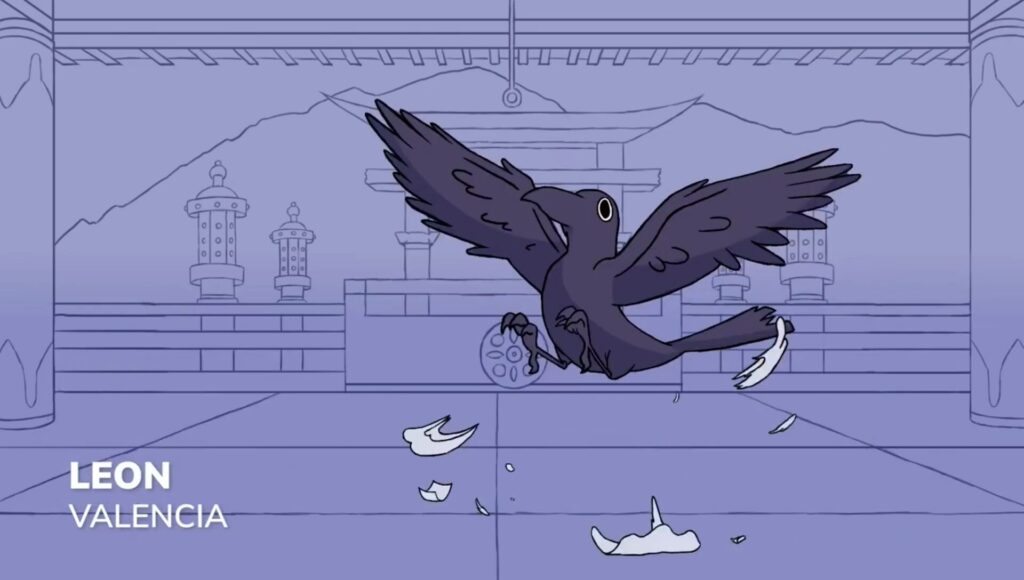
One of the biggest misconceptions about animation training is that exercises exist in isolation.
In reality, each assignment builds on the last.
The timing you develop through bouncing balls supports character movement, and the performance skills you build through flour sacks improve acting and storytelling. Turnarounds help you learn to maintain consistency throughout a sequence.
As you progress through the course, these separate skills begin working together.
You’ll start thinking about:
- Weight and force
- Clear posing
- Timing and spacing
- Character structure
- Visual storytelling
- Staging and composition
What once felt like individual exercises gradually becomes a complete animation workflow.
This is often the point where you begin to see how professional animation is actually constructed.
What Recruiters and Studios Really See
Recruiters aren’t evaluating whether someone can animate a bouncing ball. They’re evaluating the skills behind it.
When studios review portfolios and demo reels, they’re looking for evidence of:
- Strong timing
- Believable weight
- Clear posing
- Solid draftsmanship
- Consistent character construction
- Effective visual storytelling
Foundational exercises make those skills visible.
That’s why these assignments remain a core part of animation training across the industry. They teach the building blocks that support more advanced work later on.
The Final Project: Bringing Everything Together
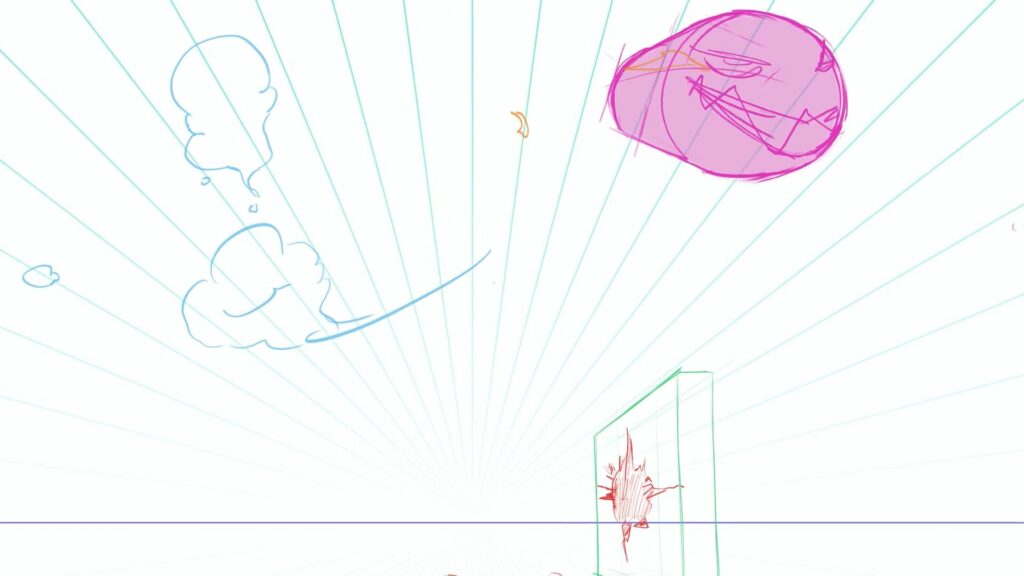
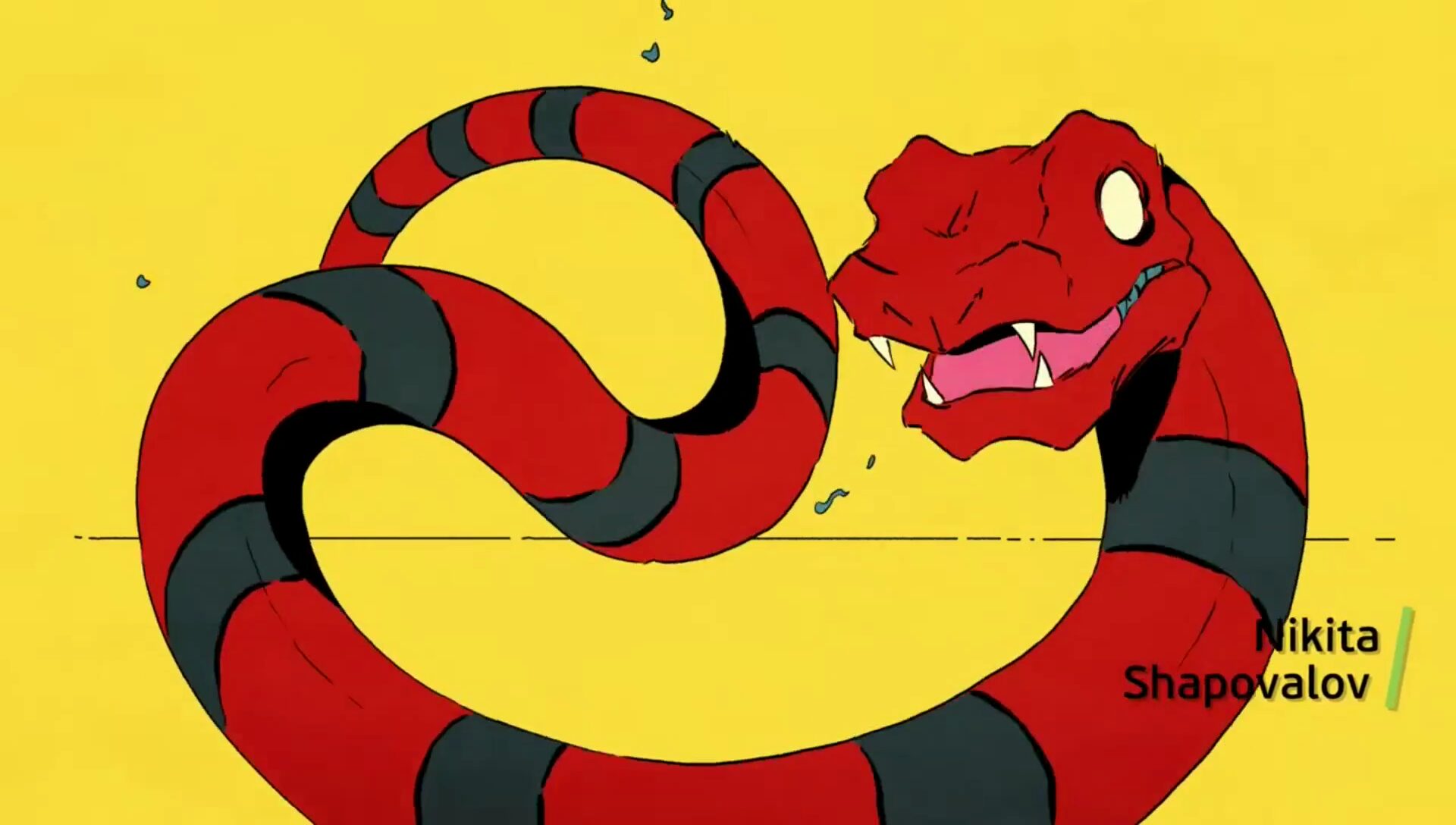
By the time you reach the course’s final project, you’re learning to combine all the principles you’ve learned into a single animated sequence.
The project challenges you to consider:
- Anticipation and force
- Momentum and movement
- Dynamic staging
- Secondary effects
- Camera movement
- Visual storytelling
For many students, this is the first opportunity to experience how multiple animation principles work together simultaneously.
Rather than learning new concepts, you’re applying and combining skills developed throughout the course.
This mirrors the way professional animation productions operate.
What Students Take Away
Looking back on the course, Mateo reflected:
“This has been a great learning experience helping me explore more aspects of animation like camera movement and FX.”
That kind of growth is exactly what our foundational training is designed to encourage.
The goal is to develop the understanding, confidence, and problem-solving skills that allow animators to tackle increasingly complex projects and continue building toward professional-level work.
Students leave the course with a stronger grasp of:
- Animation principles
- Drawing fundamentals
- Movement and mechanics
- Posing and readability
- Character construction
- Visual storytelling
Most importantly, they leave with a foundation that supports future portfolio development and continued growth as animators.
Why Fundamentals Matter

The projects Mateo included in the 2026 Rookie Awards showcase demonstrate something many animators eventually discover:
The path to stronger animation often begins with the simplest exercises.
These projects don’t rely on a single advanced technique. They succeed because of believable movement, poses that communicate clearly, realistic weight and force, and consistent characters. Those foundational skills are what allow more advanced animation techniques to succeed.
What begins as a bouncing ball eventually becomes character acting, effects animation, camera movement, and visual storytelling.
As Mateo discovered, a course that starts with simple exercises can become a gateway to understanding how professional animation is built.
And that’s exactly the point.
Want to experience these exercises yourself? Our Traditional 2D Animation Basics course is designed to help aspiring animators build the skills, portfolio pieces, and industry-ready workflow that form the foundation of a professional animation career.