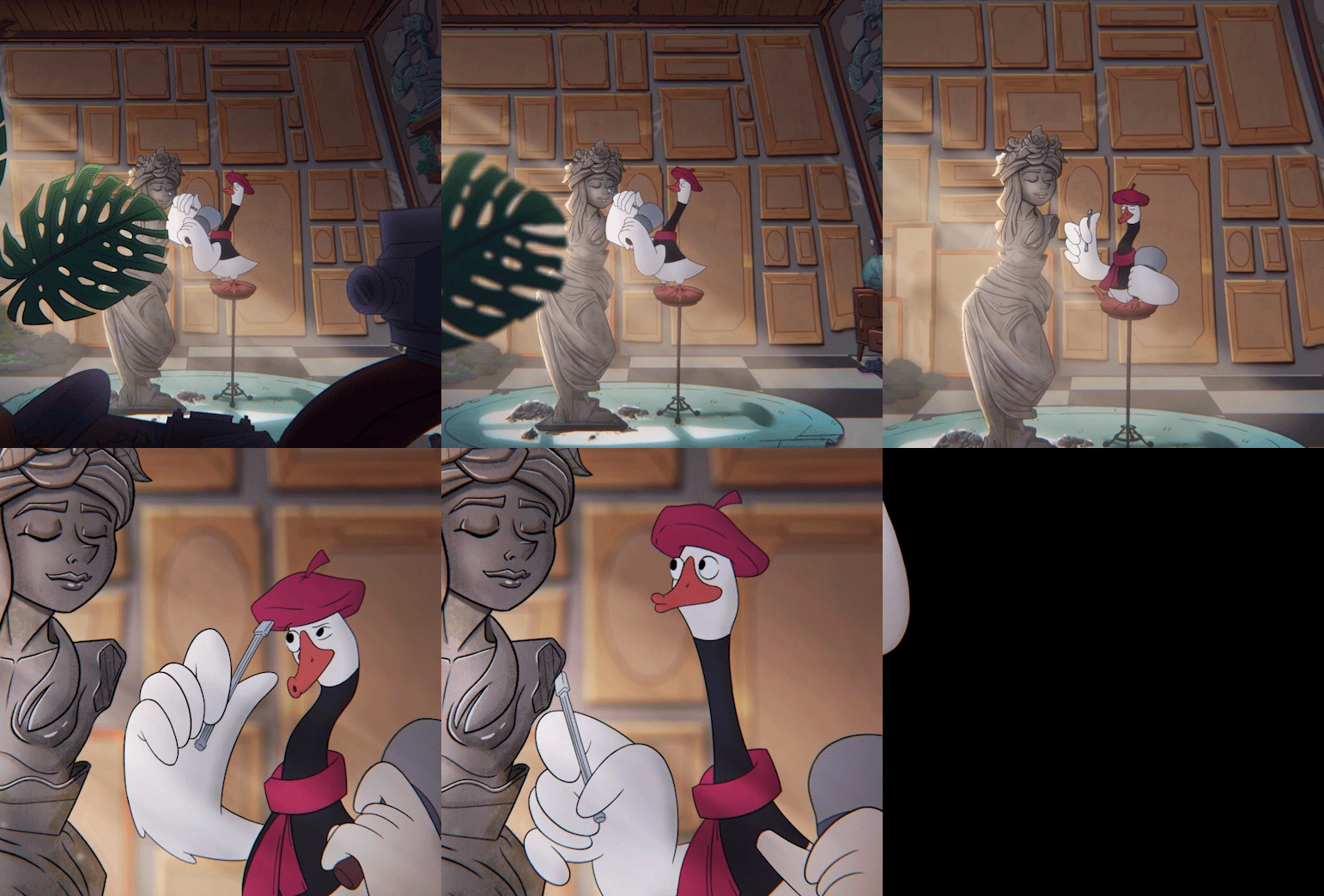


If you want to work in animation, your portfolio is the single most important asset you’ll build.
It shows recruiters and hiring managers what you can do before you ever get an interview. Whether you’re applying for internships, freelance work, studio roles, or mentorships, recruiters all ask the same question:
Can this artist do the job?
Your portfolio should answer that question before they ever meet you.
What Animation Studios Are Looking For
One of the biggest misconceptions is that studios expect perfection. What they really want to see is that you can do the job and keep improving.
Strong portfolios typically demonstrate:
- Solid artistic fundamentals
- Clear storytelling or design skills
- Consistent quality
- Problem-solving ability
- Understanding of production workflows
- Potential for future growth
Most importantly, studios look for a portfolio that matches the role you’re applying for.
Build a Portfolio for the Job You Want
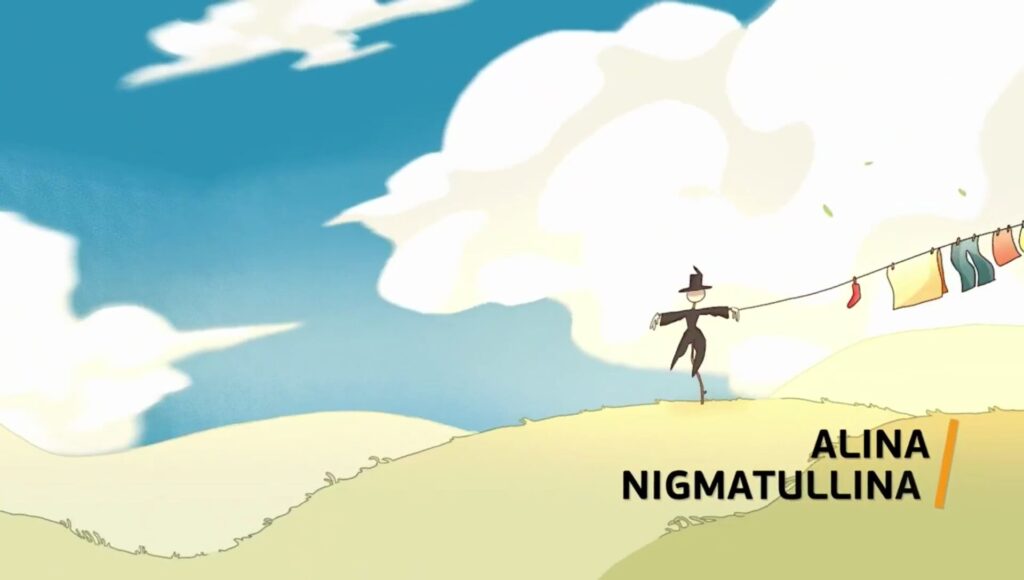
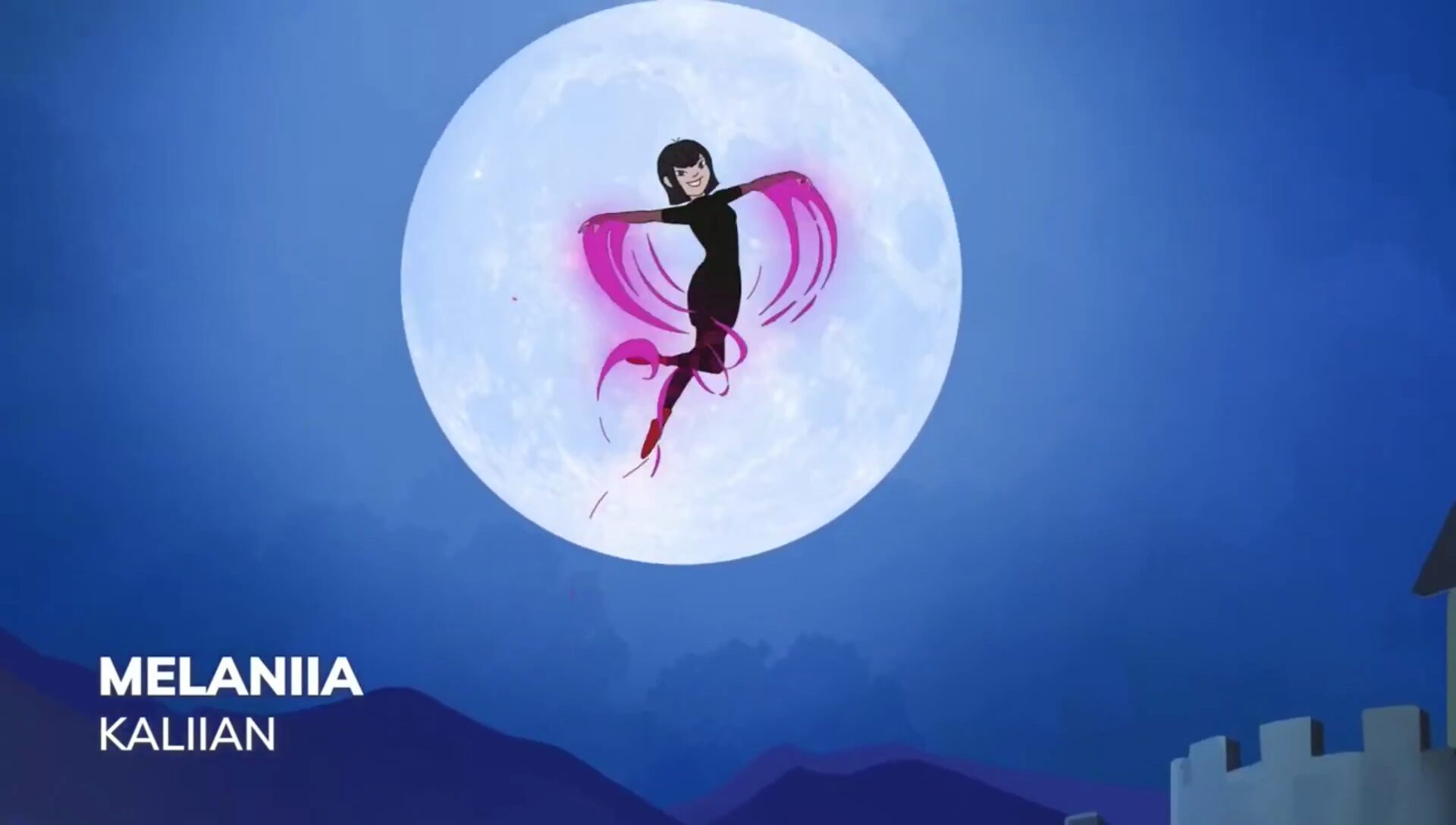
If your portfolio is mostly made up of class assignments, you’re not alone. Everyone has to start somewhere.
The issue is that studios aren’t judging whether you completed an exercise. They’re looking for signs that you’re ready to work as part of a team.
They’re asking questions like:
- Can this person contribute to a production?
- Can they take feedback and improve their work?
- Can they solve creative problems?
- Do they understand the role we’re hiring for?
A strong portfolio gives recruiters confidence that you’re ready for the role.
Learning the fundamentals is only the beginning. The strongest portfolio pieces come from projects that challenge you to apply those skills the way you would in a real production.
Want to turn your assignments into portfolio pieces? Our courses are built around industry-style projects that help you develop professional skills while creating work you can confidently include in your portfolio.
Choose Your Target Role First
The first step toward a stronger portfolio is deciding which role you’re working toward.
Animation productions rely on many different specialists, and every role requires different skills.
Before you start your next project, spend time researching artists who already have the job you want.
Ask yourself:
- What kinds of projects do they include?
- Which skills appear most often?
- What quality level do they consistently demonstrate?
- Which of those skills am I still missing?
What belongs in your portfolio depends on the role you’re pursuing. Here’s what studios typically expect to see in each discipline:
What to Include in a Pre-Production Portfolio
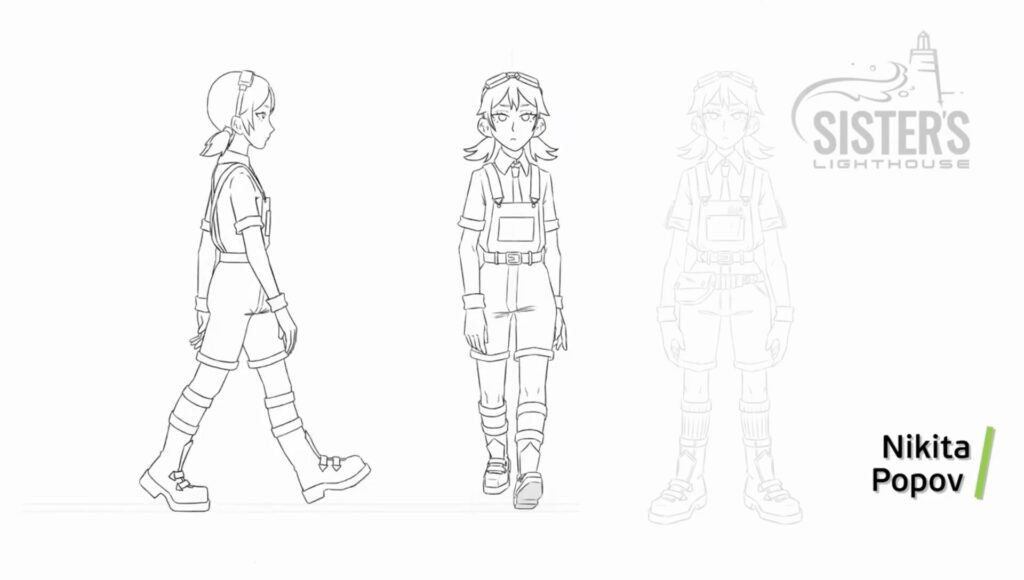
If you’re pursuing storyboarding, character design, visual development, or concept art, your portfolio should demonstrate your ability to communicate ideas before production begins.
Strong pre-production portfolios often include:
Storyboarding
- Dialogue sequences
- Action scenes
- Emotional character moments
- Clear pacing and shot progression
Character Design
- Turnarounds
- Expression sheets
- Pose explorations
- Character development pages
Environment Design
- Interior and exterior locations
- Mood paintings
- Color studies
- Environment explorations
Visual Development
- Key illustrations
- Style explorations
- Lighting studies
- Color scripts
These projects help studios evaluate your storytelling instincts and ability to solve visual problems before animation begins.
Want to create portfolio pieces that reflect a professional studio pipeline? Our Short Film Creation: Visual Development program gives students the opportunity to design characters, props, environments, and production artwork while collaborating on a team-based project.
What to Include in an Animation Portfolio
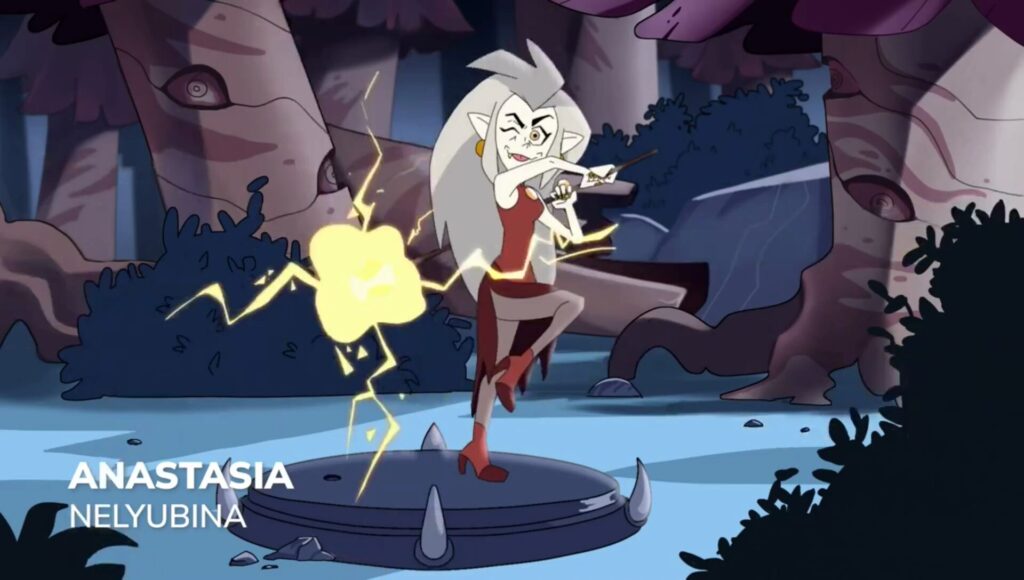
If your goal is to become an animator, your portfolio or demo reel should showcase movement, performance, consistency across multiple shots, and strong animation fundamentals.
A strong reel often includes:
Acting and Performance
- Dialogue scenes
- Emotional performances
- Character interactions
- Reaction shots
Mechanics and Motion
- Walk cycles
- Runs
- Physical actions
- Weight and balance exercises
Action Animation
- Dynamic movement
- Fight choreography
- Impact shots
- Perspective-based motion
Workflow Examples
- Planning sketches
- Rough animation passes
- Reference studies
- Cleanup examples
Studios want to see that you can communicate emotion, personality, weight, timing, and performance through movement. Recruiters often spend only a short time reviewing each demo reel, so every shot should earn its place.
Interested in character animation? The best place to start is by building strong fundamentals. Our Traditional 2D Animation Basics course focuses on timing, spacing, mechanics, acting, and portfolio-building assignments designed to help you create demo reel pieces that reflect professional animation principles.
What to Include in a Post-Production Portfolio
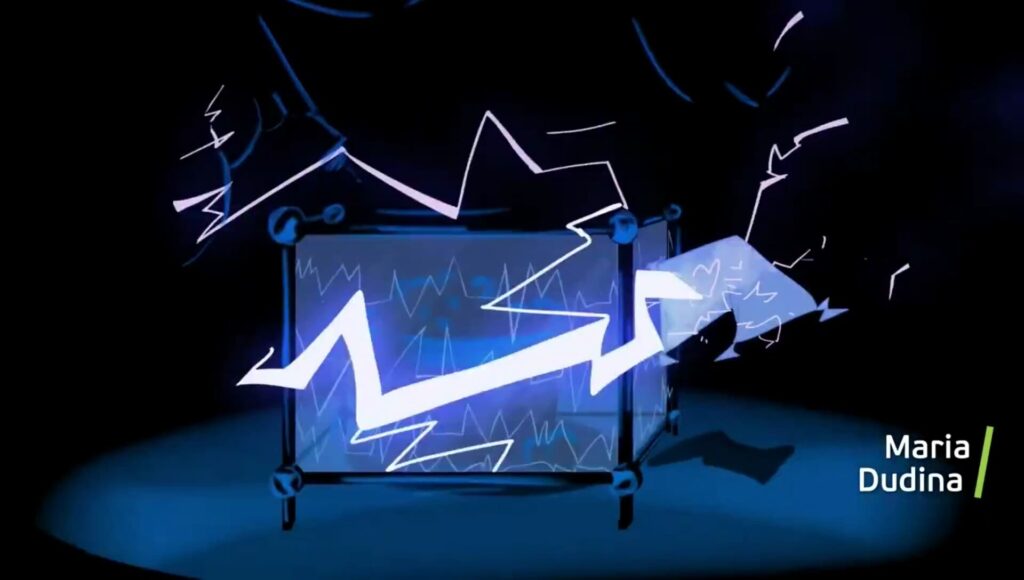
If you’re interested in compositing, color work, editing, or visual effects, your portfolio should demonstrate technical precision and your ability to bring multiple production elements together into a polished final piece.
Consider including projects such as:
Compositing
- Layer integration
- Camera effects
- Scene assembly
- Lighting adjustments
Visual Effects
- Particle systems
- Atmospheric effects
- Lighting effects
- Environmental enhancements
Editing and Timing
- Edited sequences
- Pacing examples
- Audio synchronization
- Transition work
Color Work
- Color correction
- Color grading
- Visual consistency
- Mood development
Your portfolio should show that you can combine multiple elements into a cohesive final result while maintaining clarity and consistency.
Learn From Artists Who Already Have the Job
Studying artists who already have the job you want is one of the fastest ways to improve your own portfolio.
Study their decisions and ask yourself:
- Which projects did they choose to showcase?
- How do they present their work?
- Which skills appear in almost every project?
- What gaps do I see in my own portfolio?
Studying professional portfolios helps you understand what hiring teams expect and where your own portfolio can improve.
Evaluating your own work is difficult, so outside feedback can make a huge difference. A portfolio review often helps you identify the areas that will have the biggest impact on your progress.
Need expert guidance on your portfolio? Learning alongside an experienced mentor in our One Month Intensive Mentorship can help you identify blind spots, strengthen your work, develop a plan for continued growth, and focus on the skills studios value most.
Build Portfolio Pieces Strategically
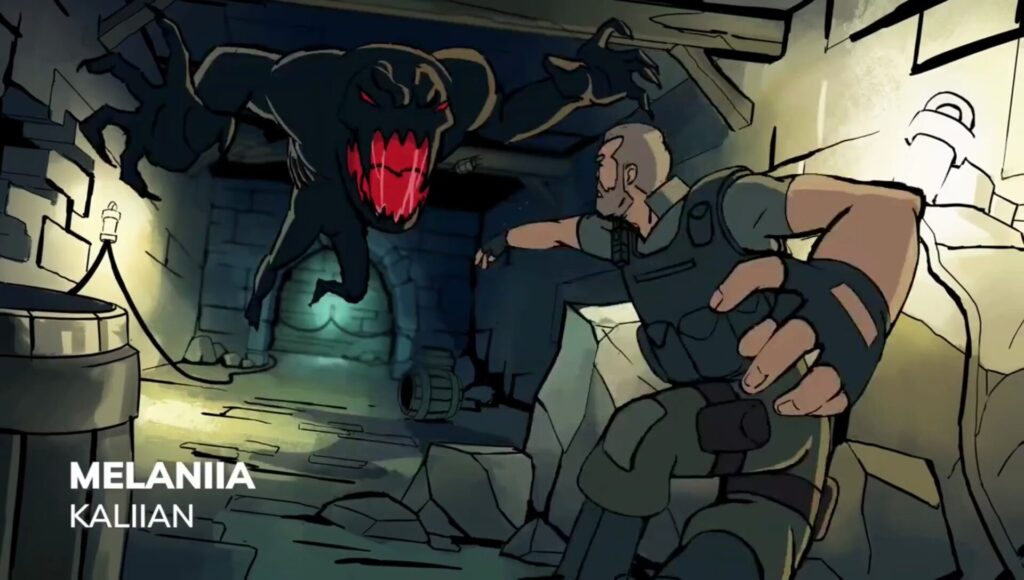
Every project you create should earn its place in your portfolio. Before you start, ask yourself one simple question:
What skill does this demonstrate?
Each shot should move your portfolio one step closer to the role you want. Rather than creating work at random, choose projects that fill gaps in your portfolio and showcase the skills studios expect.
Show Recruiters How You Think
A finished piece shows recruiters what you created. Your process shows them how you got there.
The way you solve problems is just as important as the final result. Studios want artists who can think critically, respond to feedback, adapt throughout production, and keep improving.
When it makes sense, include process work such as:
- Early sketches and thumbnails
- Work-in-progress screenshots
- Notes from feedback sessions
- Revisions that strengthened the final piece
- Brief explanations of key creative decisions
Process work gives recruiters a clearer picture of how you think and work. That extra context can help them feel more confident about your potential.
Help Recruiters Understand Your Work
A short project description gives recruiters important context that your artwork alone won’t provide.
Include details like:
- The project’s goal
- Your role
- The tools you used
- Challenges you solved
- Skills you developed
For example:
Dialogue Acting Shot – Character Animator
This project was created to strengthen my understanding of acting and lip-sync performance in Toon Boom Harmony. I focused on communicating emotional shifts through posing, timing, and facial expressions. Working with a pre-built rig challenged me to prioritize performance choices and storytelling. Through multiple rounds of feedback and revision, I improved my understanding of subtle acting and character-driven animation.
Clear descriptions demonstrate professionalism and help reviewers appreciate the thinking behind your work.
Great Portfolios Aren’t Built Overnight
It’s easy to compare your portfolio to artists who already work in the industry.
Remember that every professional started exactly where you are now.
Strong portfolios aren’t built overnight. They grow through consistent practice, feedback, revisions, and new challenges. Every project you complete moves you one step closer to the artist you want to become.
If you’re just getting started, focus on what you can control:
- Practice consistently.
- Develop a specialization.
- Seek feedback regularly.
- Improve your existing work.
- Study professional standards.
You don’t need to be the best artist in the industry.
You need to demonstrate that you can meet the expectations of the role you’re pursuing and keep improving.
That’s exactly what studios are looking for.
Start Building a Portfolio That Moves You Forward
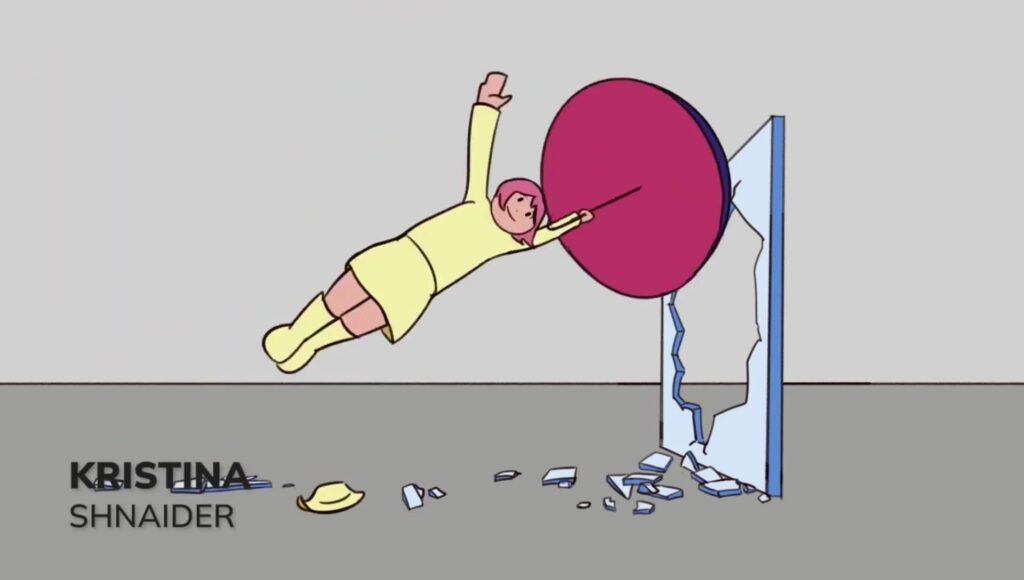
Every project is a chance to strengthen your portfolio and move one step closer to the role you want.
Whether you’re building your first portfolio or refining a demo reel for studio applications, Animation Club School offers courses and mentorship to support your goals. We’ll help you create stronger portfolio pieces and develop the professional skills studios expect.
Explore our programs and start building a portfolio that reflects your potential.