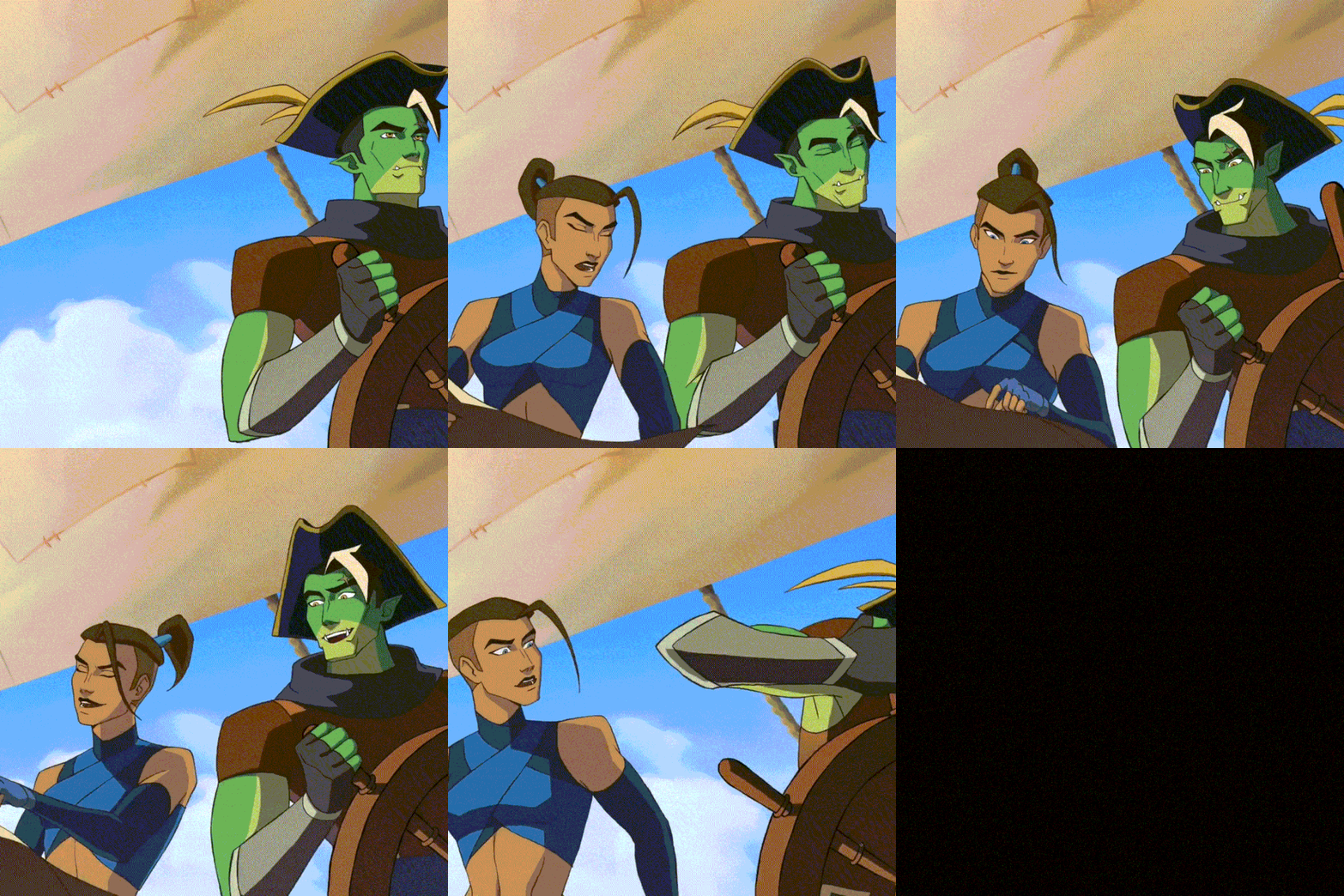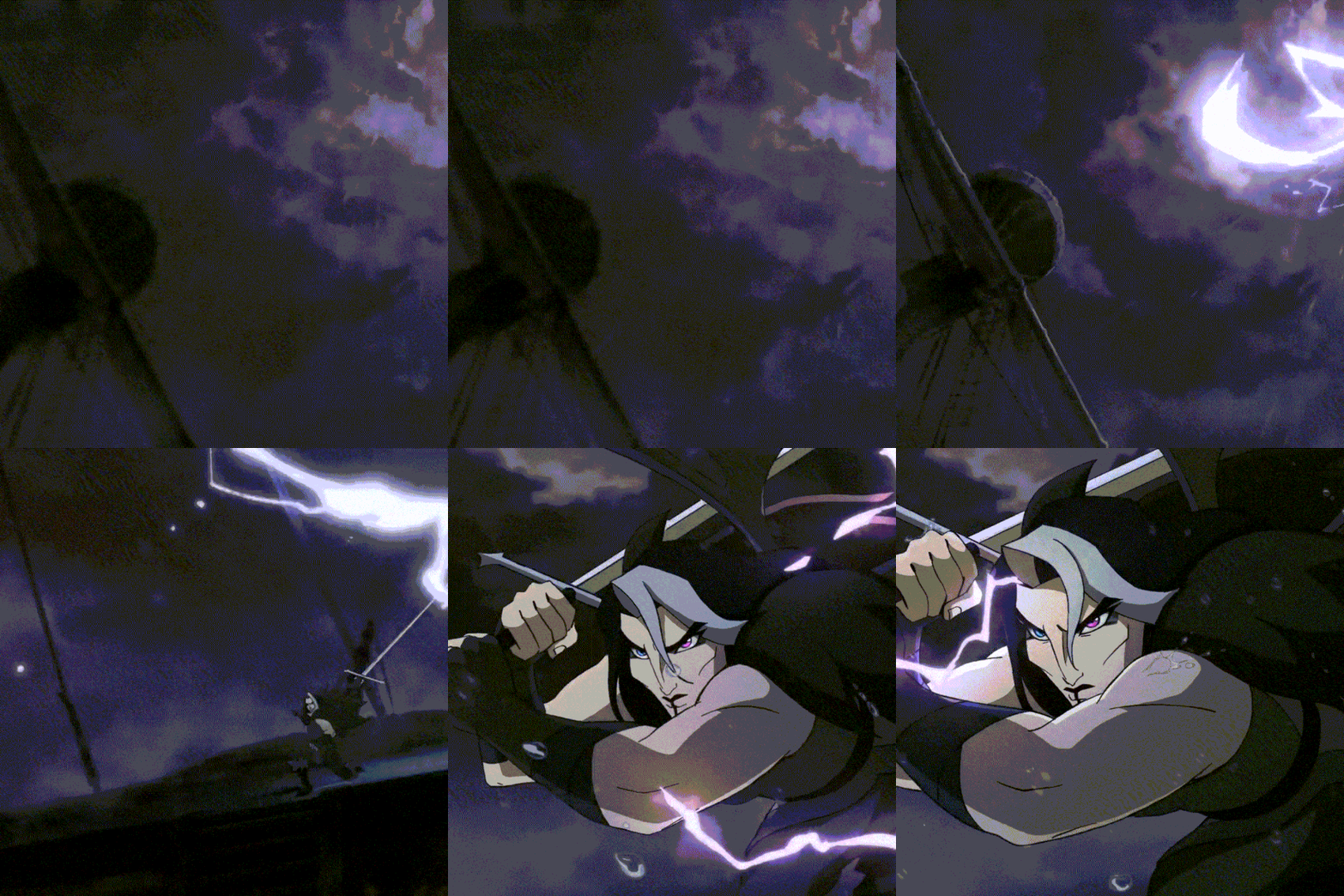

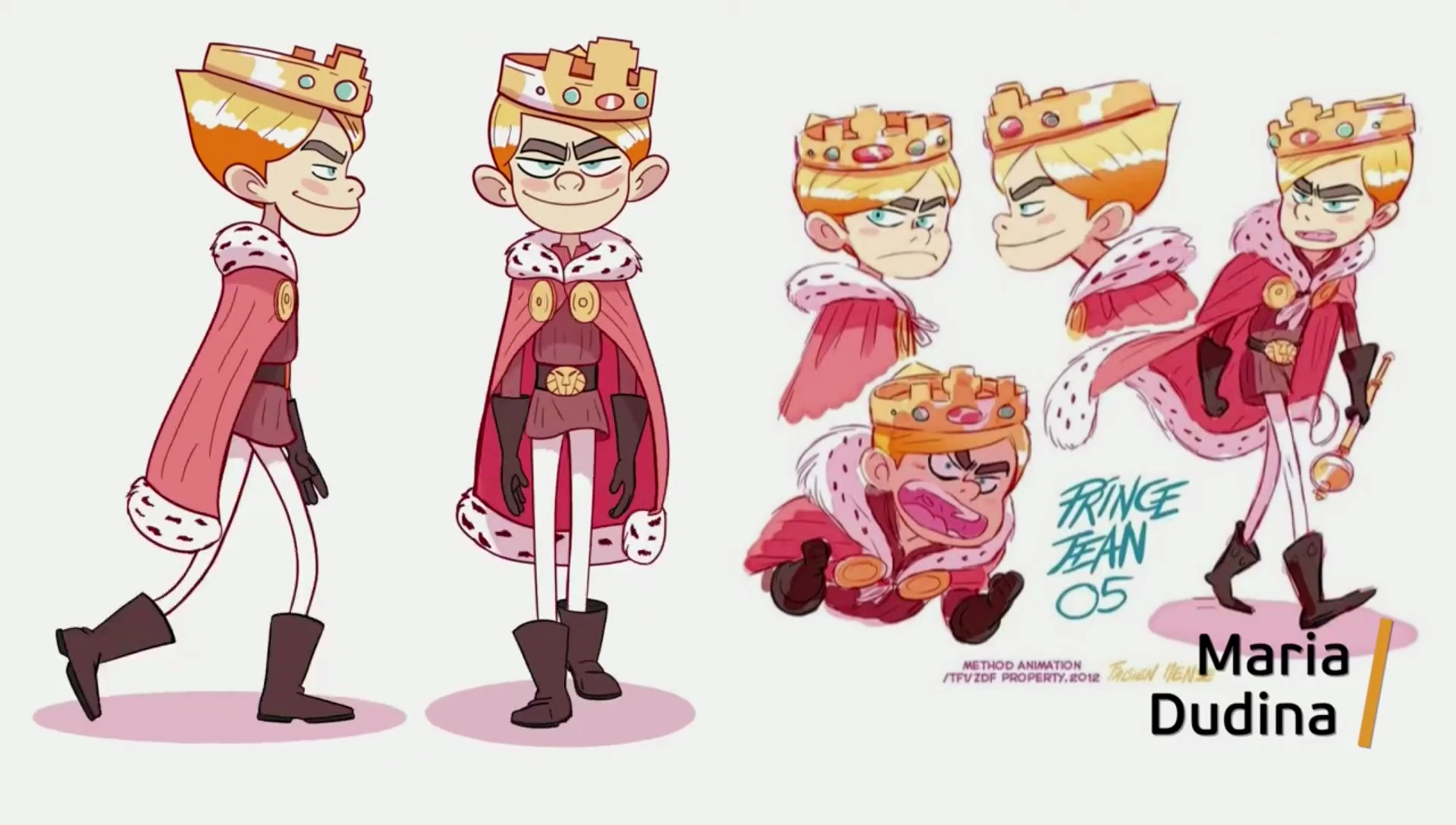
A character design can look incredible on paper and still cause problems for an animation team. This can be from them having to many small details on their outfits, like losts of buttons or chains, or too many overlapping clothing piece, or even color that blend to close together.
Picture your character running across the screen or reacting with other characters. Can an animator draw them consistently from every angle? What details would get lost when drawing new poses? Would they be able to draw them quickly under a time crunch? Think of all the why your character will be moving in an animation then simplify it make it easier to keep it consistent when in action.
Professional animation teams need character designs they can use consistently across different shots. Learning production-ready character design helps you develop the skills studios expect and prepares you to contribute to collaborative animation projects.
Start With Who Your Character Is
Before you start drawing, get to know the character you’re designing by creating a vision board with key details that you want to include to highlight their personality. Think about their role in the story and what makes them different from the other characters. Use those details to guide your first sketches before spending time refining individual features.
For example, a quick, energetic character might have a very different silhouette from someone who moves slowly and deliberately. Their proportions and posture can help communicate those differences before they even say a word. They also can be different shapes and sizes; more angular characters can seem more dangerous while more round characters can be seen as more comforting.
Ask yourself a few questions before you start sketching:
- What role does this character play in the story?
- What should the audience notice about them first?
- How does their personality influence their posture?
- What features connect them to the world they live in?
- What kinds of movements will they need to perform?
Explore several possible designs before choosing your favorite. Experiment with different proportions and silhouettes while your ideas are still easy to change.
Give Your Character a Recognizable Silhouette
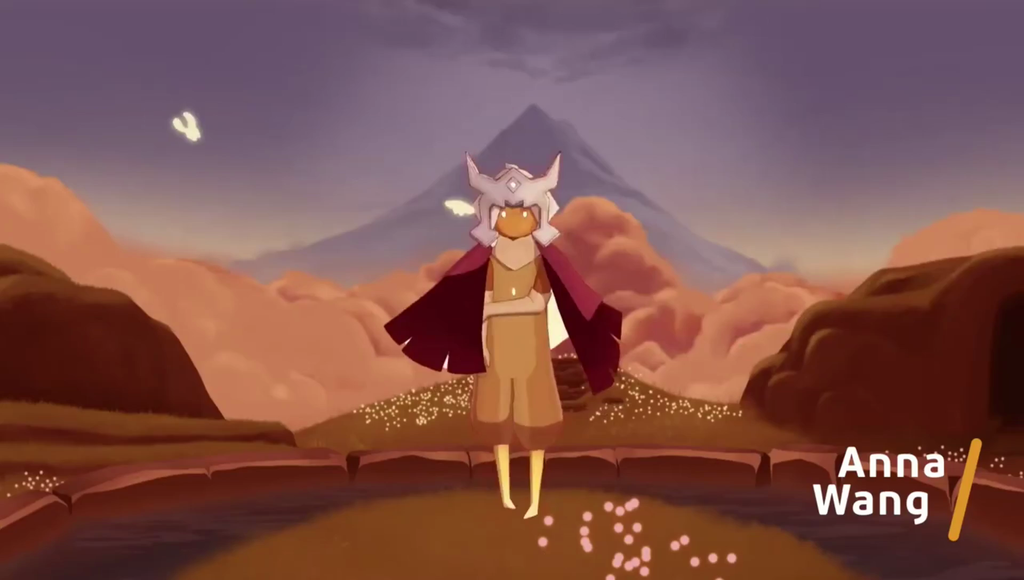
Shape language helps communicate personality through a character’s appearance.
Rounded shapes often create a softer, friendlier impression, while sharper angles can suggest a more intense or energetic personality. These aren’t strict rules, so experiment with different combinations to see what fits your character.
Try drawing the same character with broad, rounded proportions, then create another version using narrower, more angular shapes.
Compare the results and notice how each version changes your impression of the character.
Pay particular attention to the silhouette.
A recognizable silhouette helps the audience identify a character quickly, even when they’re small on screen or moving through a busy scene.
Here’s a simple way to check yours:
- Fill the character’s silhouette with a solid color.
- Remove the facial features and smaller details.
- Check whether the pose and overall proportions are still recognizable.
- Adjust any areas that blend together or become difficult to read.
Use this test to identify details that aren’t contributing much to the design.
If you’re creating several characters for the same film, compare their silhouettes side by side. Give each character a distinct appearance while keeping them consistent with the project’s overall style.
Check Your Character From Different Angles
Your character might look great from the front, but what happens when they turn around?
Before adding more detail, draw the design from a few different perspectives. Start with front, side, and three-quarter views. Pay attention to how their features move around the underlying forms.
Look for potential problems:
- Does the head maintain its volume as it turns?
- Do the eyes and facial features follow the head’s construction?
- Do the proportions stay consistent between views?
- Can you recognize the character without relying on small details?
- Will the design be easy to animate during complicated movements?
If something looks inconsistent, investigate why. Simplify confusing shapes or adjust the proportions.
Fix these problems while you’re still developing the design. Give animators clear references so they don’t have to guess how the character should look in a new pose.
Solid drawing and perspective skills will help you understand how forms change as a character moves through three-dimensional space.
In our Traditional 2D Animation Basics course, you’ll practice these fundamentals through exercises such as a 360-degree character rotation. Learn to maintain consistent volume and proportions as the viewing angle changes.
Design Characters That Can Handle the Actions in Your Story
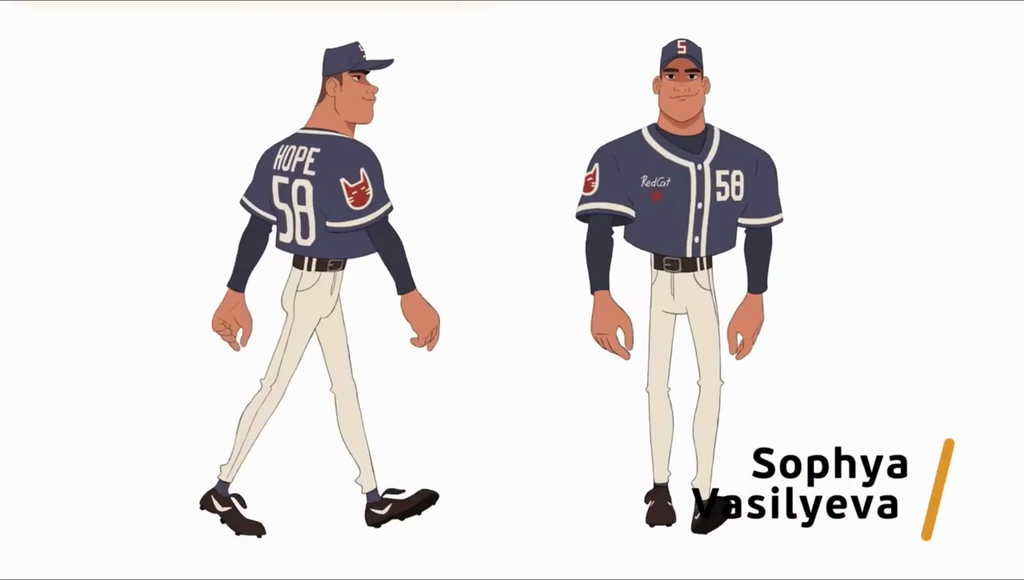
A design that works in a static illustration won’t always work as well in motion.
Imagine creating a character with oversized accessories or complicated clothing details. Those features might look fantastic in a concept sketch, but how will they behave when the character runs, jumps, fights, or turns?
Test your character design with a few rough action poses:
- A simple walking pose
- An exaggerated gesture
- A pose that requires a major change in body position
- An action the character will perform frequently in the story
If your character needs to lift something heavy, experiment with poses that show how their body handles the weight. If they’re going to run or jump, check that their proportions and features stay consistent throughout the movement.
Use these rough studies to catch details that interfere with movement or make important poses difficult to read. Adjust the design before moving into final polish.
Our Mechanics of Motion course teaches you how to animate convincing physical action, while Acting focuses on communicating emotion through movement and expression.
Develop these skills to better understand the challenges animators face when working with character designs.
Create Model Sheets That Other Artists Can Follow
Once you’ve refined your character, prepare references that other artists can follow.
Think about what an animator needs to know before drawing your character in a new pose. Depending on the production, include references like:
- Character turnarounds: Show the character from different angles and establish consistent proportions.
- Expression sheets: Explore how the face changes during different emotions.
- Pose sheets: Demonstrate important gestures and actions.
- Color references: Establish the character’s palette and show where each color belongs.
- Construction details: Clarify complicated shapes or features that are difficult to understand from certain angles.
Choose the references that make sense for your character. A simple design might need only a few sheets. Simple designs may require only a few sheets, while more complicated characters need additional views or construction details.
For example, if your character has an asymmetrical hairstyle, show how it looks from both sides. If they wear several overlapping layers of clothing, explain how those pieces fit together.
Review your model sheets from another artist’s perspective.
The clearer your references are, the easier it becomes for the animation team to maintain consistency across different shots.
Keep Your Character Consistent With the Film’s Visual Style
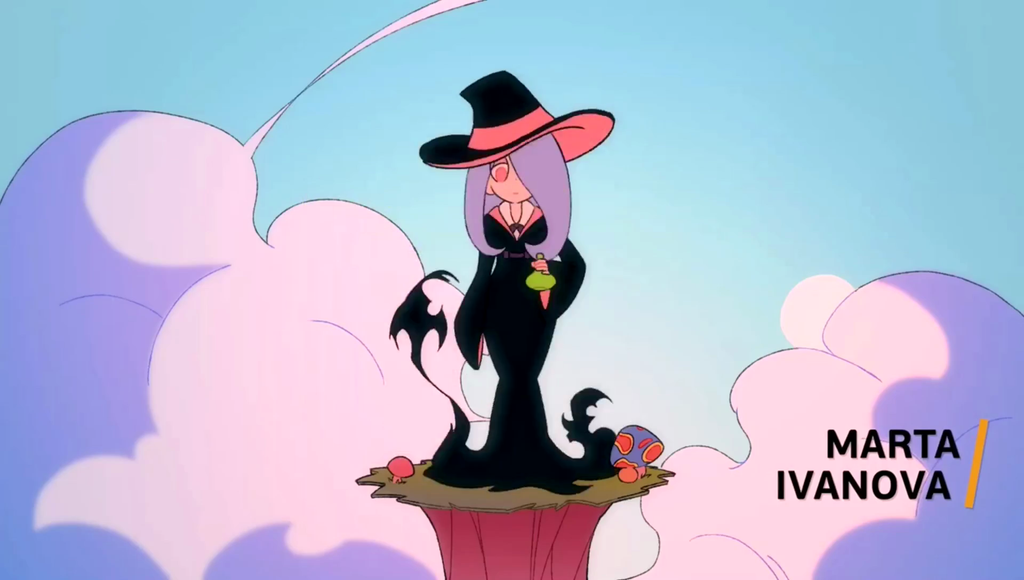
Even a well-designed character can look out of place if they don’t match the rest of the film.
When you join a production, you need to follow the visual direction the team has established.
If one artist uses exaggerated proportions and another uses realistic anatomy, their characters may look inconsistent if they’re in the same scene. Study the project’s approved designs so your work fits the established visual style.
Pay attention to:
- How other artists handle proportions
- The level of detail in the approved designs
- The shapes and construction methods they use
- How the characters fit into the environments
- The overall color palette and visual style
Test your design against a few backgrounds, too.
For example, a character with a dark color palette could be difficult to see in an equally dark environment. Catching that problem early gives you time to adjust the design or work with the background team on a solution.
Learning to follow an established art direction is an important part of working in a professional animation pipeline.
In Short Film Creation: Visual Development, you’ll collaborate with other artists to develop artwork for an animated short film. Practice working within a shared visual style and preparing designs for the next stages of production.
Get Feedback While Your Design Is Still Easy to Change
After spending hours working on a character, it’s easy to become attached to certain details.
You know why you made each decision, but another artist might see something you’ve overlooked.
Share your work early so you have time to explore their suggestions before moving into final polish.
Ask specific questions that help you improve the design:
- Does the silhouette communicate the character’s personality?
- Are the proportions consistent across different views?
- Is anything confusing about the character’s construction?
- Will any details make the character difficult to animate?
- Does the design fit the project’s established style?
Use the answers to decide what needs your attention first.
Sometimes a small adjustment will make the silhouette clearer. Other times, you’ll need to rethink a complicated feature or simplify part of the construction.
Keep earlier versions of your design so you can compare the changes and see what improved.
Save those revisions for your portfolio, too. They can help recruiters understand how you solve problems and respond to creative direction.
Studios expect artists to work with feedback throughout production. Practice reviewing your work and making revisions before you join a professional pipeline.
In Short Film Creation: Animation & Directing, students practice responding to professional feedback while contributing animation shots to a collaborative project.
For more individual guidance on your animation work, our One-Month Intensive Mentorship offers two meetings each week with a professional animator. Use that time to address specific challenges and make progress on your goals.
Put Your Character Design Skills Into Practice
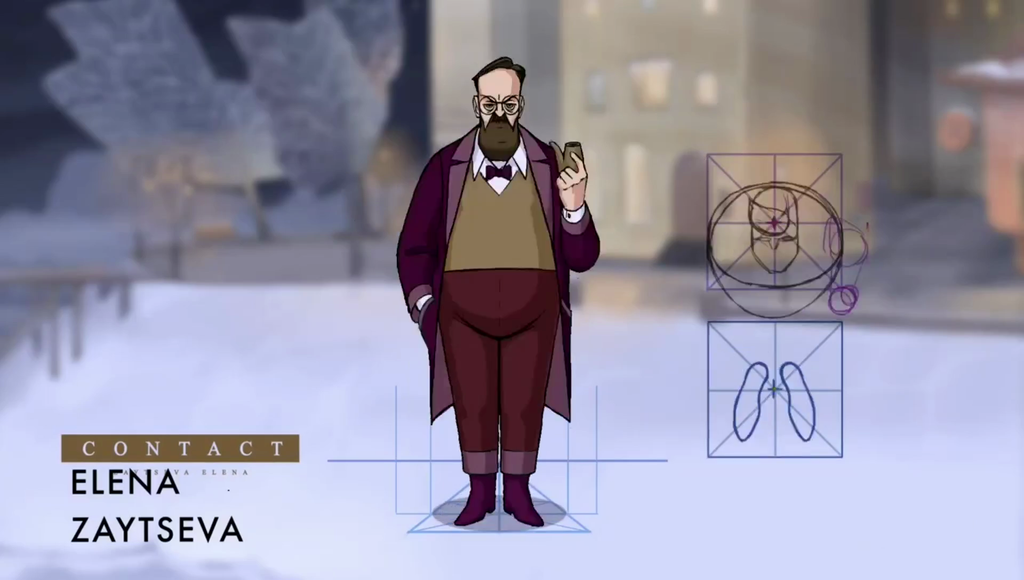
As you continue developing your character design skills, challenge yourself to think about how your work will fit into a larger animation project.
Test your designs from different angles. Explore how they move, and prepare references that help other artists understand your choices.
The more you practice these habits, the more confident you’ll become when developing characters for a larger production.
Our courses give you opportunities to develop your skills through structured assignments and feedback from industry professionals. Whether you’re learning animation fundamentals or working with a team on a short film, choose training that supports the kind of work you want to create.
Ready to put your ideas into practice? Enter our Short Film Concept Competition for a chance to see your original concept developed through our Short Film Creation course in collaboration with Lihtar Studio. It’s a great opportunity to explore your creativity and start thinking about how your ideas could work as part of a larger production.
Submissions are open through November 20, 2026.