
Animation is a large, collaborative industry. From pre-production to production to post-production, each stage has its own set of roles, skills, and creative challenges. It’s easy to feel like you need to learn everything to be competitive. Your often left feeling lost, Wondering “How do I get a job in animation?” But you shouldn’t try to do it all. If you do, you risk burning out and missing opportunities that might be a perfect fit for you and your talents.
If you want to stand out and get hired, the smartest thing you can do is choose one area of the pipeline to focus on first. That could be storyboarding, visual development, character animation, editing, or whatever excites you most. Building a professional-level portfolio in a single field will be much faster than trying to master five disciplines simultaneously. More importantly, studios are much more likely to hire a strong specialist than a generalist with experience scattered across multiple areas.
The list of possibilities may seem overwhelming at first, but it’s meant to show you just how many opportunities you have in the animation industry. Our list focuses on 2D animation jobs, because that’s our school’s specialty, but there’s a lot of overlap with other parts of the entertainment industry, from storyboard artists for live action to riggers in 3D animation.
Choosing a path now doesn’t mean you’re locked into it forever. Many artists pivot roles later in their careers. But when you’re just starting out, focus is the fastest way to build a portfolio and begin your career.
Start by asking yourself: What stage of the animation pipeline sounds the most exciting to me?
Pre-Production
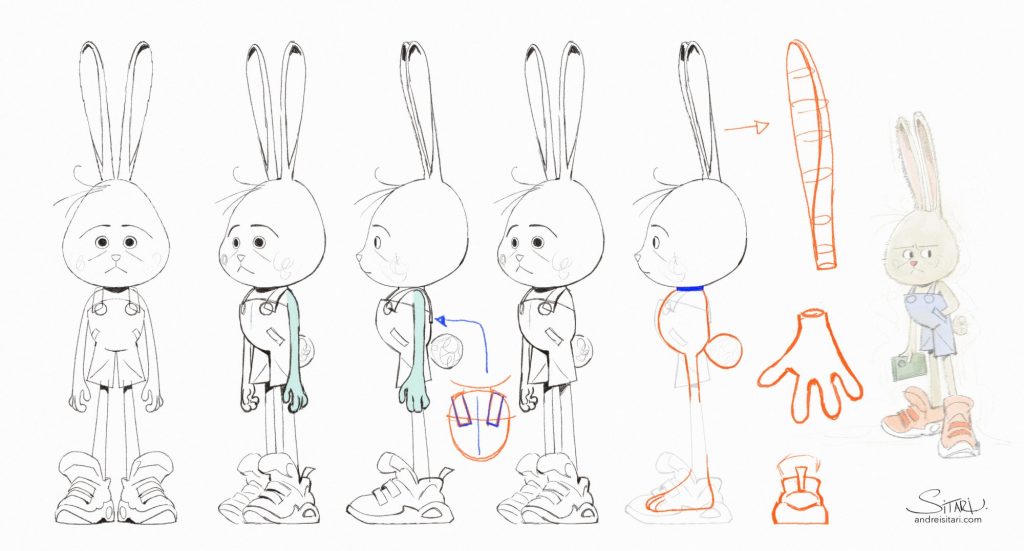
Before production begins, the pre-production team carefully plans out each step of the project. They create or adapt the story behind the animation, whether that means creating an original script or adapting a script from another source, such as a book. From there, they’ll work on the storyboard, laying out the scenes that need to be animated during production.
For consistency across each step of the process, the team will design key elements of the project, like characters, props, and backgrounds. They’ll also create color palettes and scene compositions for the production team to reference.
If you enjoy planning and thinking of ideas, this may be a great place to start. Some roles in this stage include Showrunner, Screenwriter, Storyboard Artist, Character Designer, Visual Development Artist, and Color Stylist.
If you’re interested in this stage, consider our Short Film Creation: Visual Development course, where you can collaborate with a team of creators to complete pre-production roles in a fully animated tribute trailer. It’s a great way of focusing your work to get a job in animation.
Production
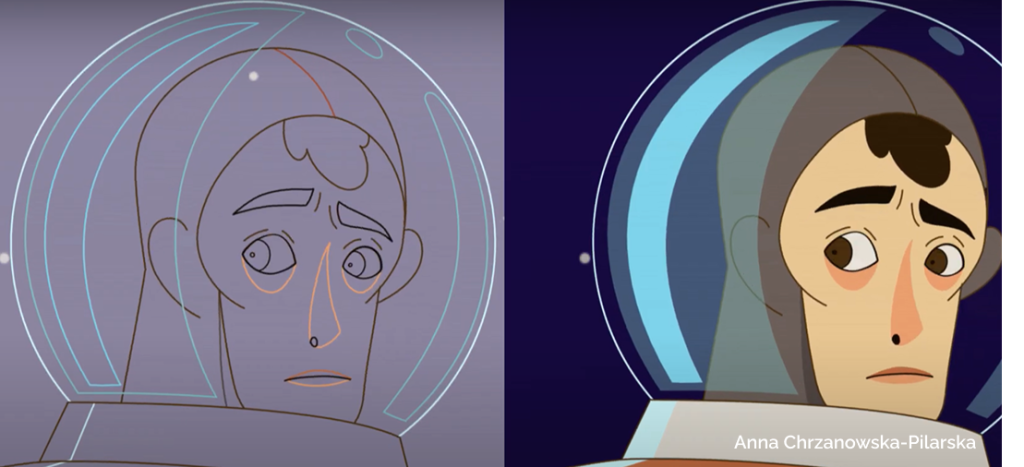
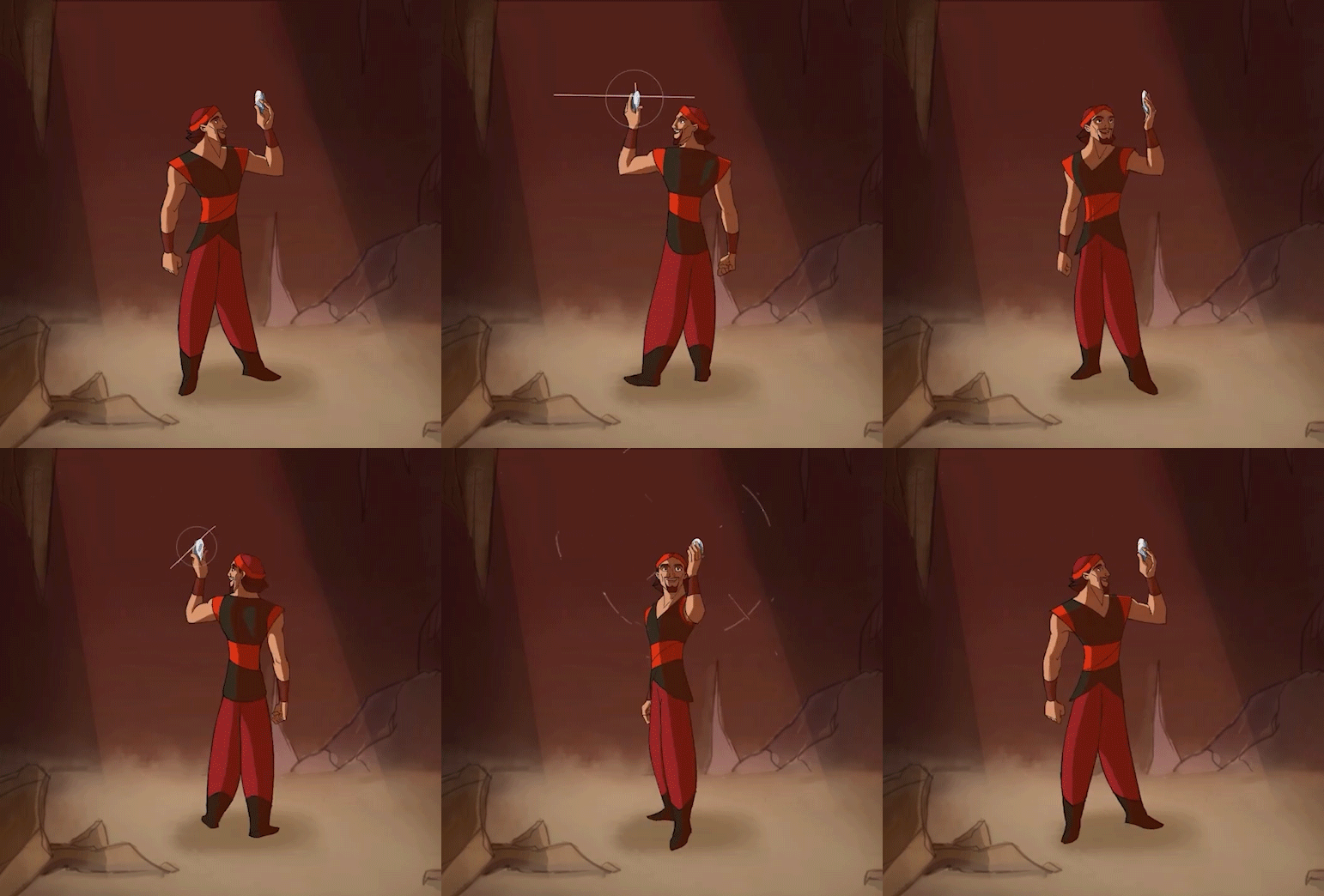
The next stage is production, where the team begins animating and adding details like effects and lighting. Using the storyboards and designs created by the pre-production team, the production team animates key scenes, rigs characters, creates in-between scenes, and keeps the project on schedule.
Team members clean up the animation along the way by keeping transitions smooth and planning out blocking and lighting. They also keep the project on schedule by managing deadlines. Making it great from anyone with project management skills who also wants to get a job in animation.
If you enjoy the animation process or taking ideas and bringing them to life, this part of the production process may be ideal for you. Some roles include Director, 2D Animator, In-Betweener, Effects (FX) Animator, and Character Rigger.
Our Machanics of Motion Traditional 2D Animation courses are an excellent starting point for anyone interested in this stage of production. You’ll learn the basics of dynamic movement before moving on to movement and acting courses that teach you the fundamentals that make your animation feel alive.
Post-Production
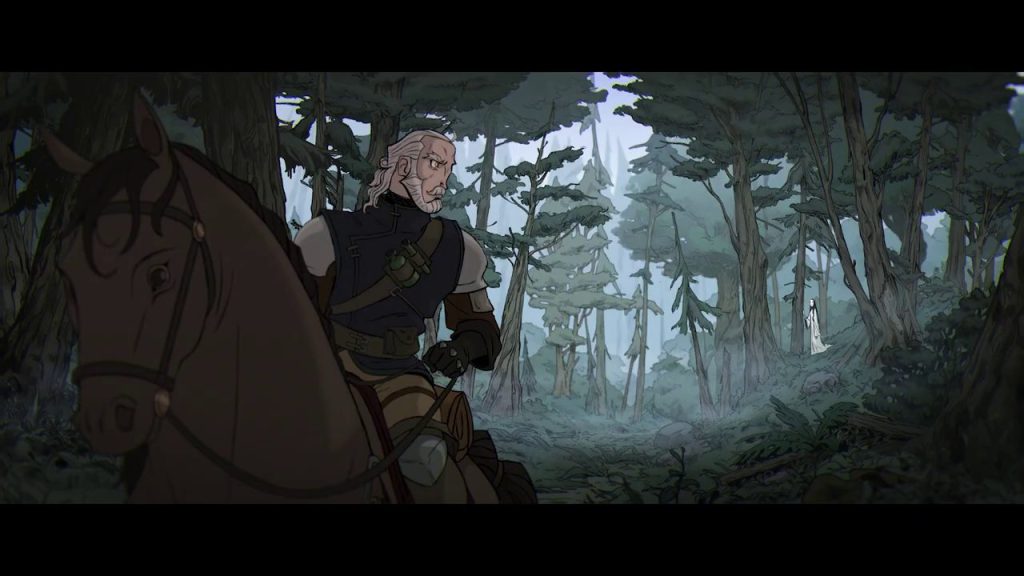
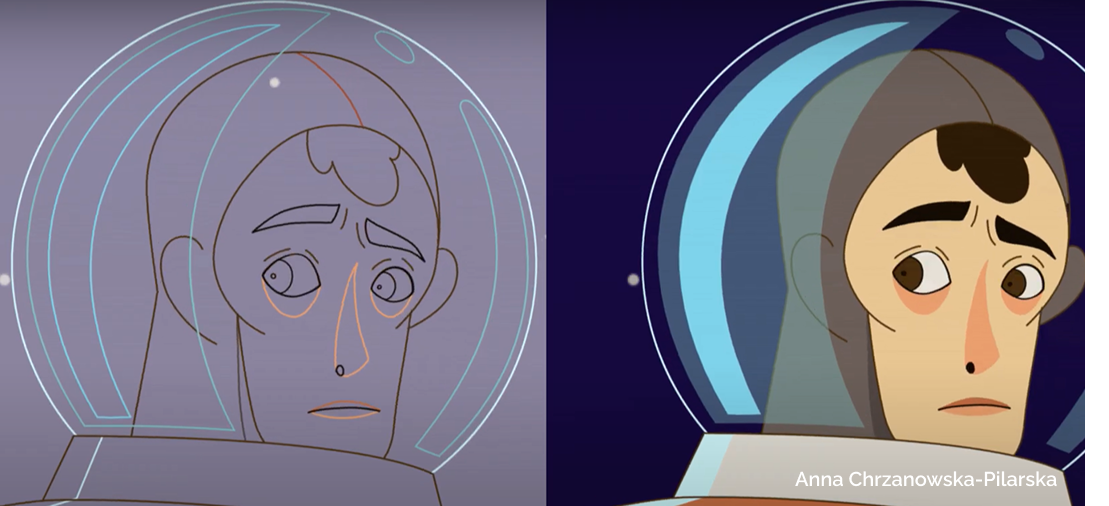
Finally, the post-production team will take the production team’s work and make it ready to be presented to the world. They’ll clean up and edit the animation. Then, they’ll add in voices, sound effects, and music.
This is also the stage where the team adds in final touches, like visual effects such as glow or transitions. The team reviews the final animation and corrects colors as needed to keep the appearance consistent.
If you enjoy taking a rough draft and polishing it until it’s ready to be presented, or if you have an eye for details and matching scenes and colors, the roles in this stage may be right for you. These positions include Colorist, VFX Artist, Music Composer, Sound Editor, and Compositor.
Learn To Specialize For a Purpose
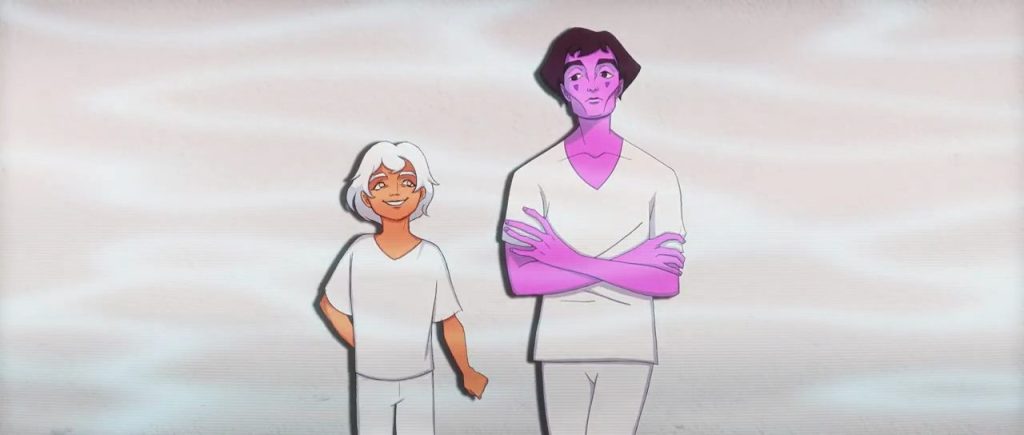
Once you decide which part of the production process is most appealing, dive deeper. Research the roles specific to that stage. Maybe one of them will appeal to you more than the others. If you’re still not sure, look at the portfolios of professionals who currently work in the various roles you’re considering. Then, take a look at some of the tools they use to see if you’re familiar with them or whether they look interesting.
Portfolio Direction: Exploration To-Do List
1. Choose Your Focus Area
- Identify which stage of the production pipeline interests you most
(e.g., pre-production, modeling, animation, lighting, compositing, etc.) - Write down why it appeals to you (creative? technical? storytelling? problem-solving?)
2. Research Specific Roles
- List 3–5 roles within that stage
(Example: If you chose animation → character animator, layout artist, previs animator, etc.) - Read job descriptions for each role
- Note required skills and responsibilities
- Highlight which role excites you most
3. Study Professional Portfolios
- Find 3–5 professionals working in roles you’re considering
- Review their portfolios carefully
- Ask yourself:
- What kind of projects do they showcase?
- What skills are clearly demonstrated?
- What makes their work stand out?
- Identify common patterns (types of projects, presentation style, tools used)
4. Explore Industry Tools
- Make a list of tools/software commonly used in that role
- Check which ones you already know
- Research unfamiliar tools (watch demo videos, read beginner guides)
- Try at least one small tutorial or test project in a new tool
5. Reflect & Decide
- Which role feels the most exciting now?
- Which role fits your current skills best?
- Which role feels worth investing 6–12 months of focused practice in?
6. Define Your Portfolio Direction
- Choose 1 primary role to build your portfolio around
- Define 3–5 types of projects you’ll create to demonstrate relevant skills
- Set a learning roadmap (skills + tools to improve)
Conclusion
Remember, you want to choose something that suits your talents and interests, but don’t worry about being stuck in one place if you find it isn’t right for you. Lots of artists change positions during their careers, and you can, too. The most important part is choosing a path and getting started.
Our courses can help you learn the fundamentals and higher-level skills studios look for when they’re hiring professionals. Take the first step today and explore our course catalog and mentorship opportunities.