
In our last post, we discussed why choosing a clear direction is essential when you’re planning to start a career in animation. The industry has a wealth of opportunities, but trying to master everything at once can slow your progress and cost you opportunities that might be the perfect fit. When you define the stage of production you want to work in, you stop guessing and start focusing on mastering what you’ll need to know for your future roles. A clear path helps you build a strong portfolio and learn the skills studios actively look for.
Once you’ve chosen a stage of the animation pipeline, the next step is to explore the specific roles within it. Each stage has its own areas of focus, from storyboarding and visual development to art support and final compositing. As you read through these roles, pay attention to what genuinely excites you. The role that piques your curiosity and motivates you to improve is often where you’ll grow fastest and build the strongest portfolio for future studio opportunities.
Pre-Production
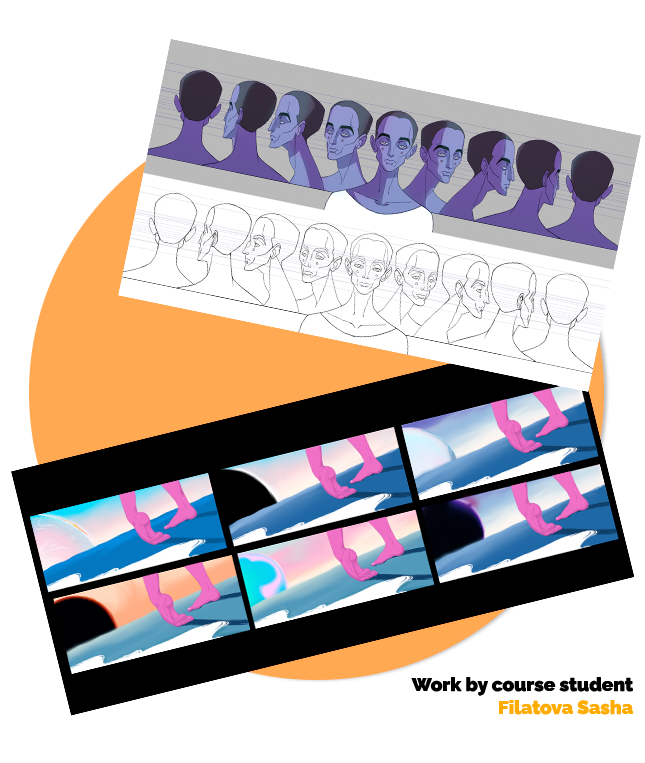
This stage focuses on preparing the story and assets, such as characters, props, and backgrounds, that the production team will use during their phase of the pipeline. Many animators start here because strong pre-production skills shape the entire project, and studios value artists who can imagine where a project can go before animation begins. You can focus on the story and writing, storyboarding, or visual development.
Story & Writing
If you’re primarily interested in creating or adapting the story for a project, this could be the right path for you. Consider some of the following roles:
- Showrunner / Creator: Create the original vision for the project and provide creative direction
- Writer / Screenwriter: Write or adapt the scripts, dialogue, and story arcs for the project
- Head of Story: Oversee the narrative’s structure and storyboarding
- Story Consultant: Reviews the plot, tone, and pacing for consistency and a broad view of how everything connects
Storyboarding
For the more visual side of planning, look at roles in storyboarding. There, you’ll plan out how the scenes will look, including character expressions and movement, composition, angles, and lighting. Some positions in this area include:
- Storyboard Artist: Translate the script into a series of panels in sequence to plan out the key beats and pacing, character movement, and composition
- Storyboard Revisionist: Reviews and makes changes to the storyboard for consistency and tone
- Animatic Storyboard Artist: Creates the animatic based on the storyboards
Visual Development (VisDev)
While the project is being outlined, the Visual Development team works to decide on the overall look of the project, such as color palettes, character design, and props. Specific job titles include:
- Art Director: Define the overall visual style and direction
- Visual Development Artist: Design the overall appearance of the project, such as the mood and environments
- Color Stylist / Color Designer: Develop color palettes and keys for the scenes and characters
- Character Designer: Create the design for all main and supporting characters
- Prop Designer: Designs any objects or tools used in the project
- Background Designer / Layout Artist: Sketch the environment and scene compositions
If you want to be a part of a Vis Dev pipeline in a short film, join our Short Film Creation Course for Visual Development.
Production
This stage of the pipeline often includes creating the animation for the project, managing deadlines, and adding elements like backgrounds and lighting. This is where most animation jobs exist, and it’s where technical skill and consistency are absolutely critical. Typically, roles for this stage fall under direction and management, 2D animation, additional animation, and art design and support.
Direction & Management
If you enjoy overseeing projects and making sure everything follows a schedule, this area of production might align with your strengths. Some roles include:
- Director / Episodic Director: Guide teams as they create the animation for episodes or scenes
- Assistant Director: Support the director, typically by focusing on one department, such as story or animation
- Line Producer / Production Manager: Manages the schedule and logistics during production to ensure everything meets the expected timelines
- Production Coordinator: Provides all departments with everything they need for production, such as supplies and workspaces
- Production Assistant: Support all departments, typically an entry-level position
2D Animation (Traditional / Digital)
The 2D Animation area includes all the team members who work on the animation portion of a project, whether that’s the story, scenes in between, or effects. Some positions include:
- 2D Animator: Animate scenes based on storyboards and direction
- Key Animator: Draw the primary poses that help shape the characters’ movements and acting
- In-Betweener: Create frames that are used between key poses for smooth motion
- Clean-Up Artist: Refine rough animation into polished, final linework
- Effects (FX) Animator: Animate additional non-character elements for the project, such as fire, water, smoke, or magical effects
Additional Animation
In addition to the main animation, another team will work on more specific parts of the animation, such as rigging, layouts, or lighting. If you’re interested in specializing in an area of animation, explore these roles:
- Character Rigger: Create digital skeletons so models move correctly
- Rig Animator: Animate characters and scenes using puppet animation
- Lighting Artist: Incorporate lights into each scene to match the mood and maintain continuity
- Layout Artist: Establish camera angles and basic blocking in each scene
Art & Design Support (Ongoing During Production)
During production, some team members work to support the animation teams, carrying over the vision from the pre-production Visual Development team. Some examples of this area are:
- Background Painter: Color background layouts for scenes
- Color Stylist: Decide the colors and lighting variations for each scene based on mood, color palettes, and keys developed by the Visual Development team.
- Design Checker / Model Checker: Check art and animation to make sure they fit the style guidelines and models created during pre-production
Build a strong foundation in animation by joining our basics course.
Post-Production

Once the animation is complete, the post-production team takes over to add the finishing touches. While fewer artists specialize here, strong finishing skills can make you indispensable on a production. If you love polishing a project to give it the last pieces it needs to shine, think about a role in sound and music or visual finishing.
Sound & Music
Imagine one of your favorite animated films without a soundtrack, voices, or sounds to accompany what you see on screen. This team is responsible for creating and adding these critical pieces to the project. Some positions are:
- Sound Designer/ Foley Artist: Create and layer sound effects (SFX) to enhance actions and environments, making them feel more believable
- Music Composer: Compose the original score to support the project’s mood, pacing, and storytelling
- Music/Sound Editor: Adjust and sync music to match the timing and emotional beats of the story
Visual Finishing
When the animation is complete, the visual finishing team makes sure all the scenes match and flow together. They also add in any digital effects that the animation might not have yet, such as transitions or particles. If this area interests you, consider some of these roles:
- VFX Artist: Add digital effects like glows, particles, and transitions
- Color Grader / Colorist: Correct the final color balance for visual consistency across all the project’s scenes
- Compositor/Editor: Assemble the final sequence and combine all visual layers, including animation, background, FX, and lighting, into the final product, and complete rendering to ensure finished shots are output correctly
Now that you understand how the animation pipeline works, take a moment to think about which roles stood out to you. Where did you feel the most curious? Where could you see yourself working every day? Where do you want to invest your time in growing and learning? That interest is more than a preference. It’s your first step toward your future career.
If storytelling excites you, explore storyboarding or writing. Are you drawn to movement and performance? Focus on becoming a 2D or Key animator. If you love pulling everything together into a polished final shot, compositing could be a great fit for you. The most important thing is to choose a direction and start building skills that match that role.
Studios rarely hire unfocused generalists. They look for artists and animators who demonstrate a deep understanding of the skills they’ll use every day. When you define your path, you can build a portfolio that shows exactly what you can contribute to a production. Clarity makes you more capable, confident, and employable.
Your next step isn’t to learn everything. It’s to choose your direction and start training like a future professional in that role