
Getting a great critique won’t improve your animation unless you know what to do with it.
Feedback gives you another perspective on your work. Learning how to evaluate those notes and apply them to your next revision helps you get more from every critique. That process becomes even more important as you move toward professional animation, where feedback and revision are part of working with directors, supervisors, clients, and other artists.
Instead of showing up with a shot and waiting for someone to tell you what to fix, take an active role in the critique process.
Review your work first so you can ask better questions. Listen carefully, then decide how you’ll apply what you learned.
Here’s how to get more from every animation critique.
Review Your Shot Before Someone Else Does
Start the critique before anyone else sees your animation.
After you finish teh shot, step away from it and review your work again with fresh eyes. If possible, leave it overnight. When you return, you may notice problems that blended into the work after hours of looking at it.
Watch the entire shot at full speed before scrubbing through individual drawings.
Then ask yourself:
- What feels strongest?
- Where does the action become unclear?
- Which section still feels unfinished?
- What am I least confident about?
- What do I want another animator’s perspective on?
Write down what you notice.
You may not diagnose every problem correctly, and that’s fine. The goal is to develop your ability to evaluate your own animation before someone else evaluates it for you.
As you gain professional experience, you’ll need to catch more problems independently. Start developing that judgment while you practice.
Replace “Does This Look Good?” With Better Questions
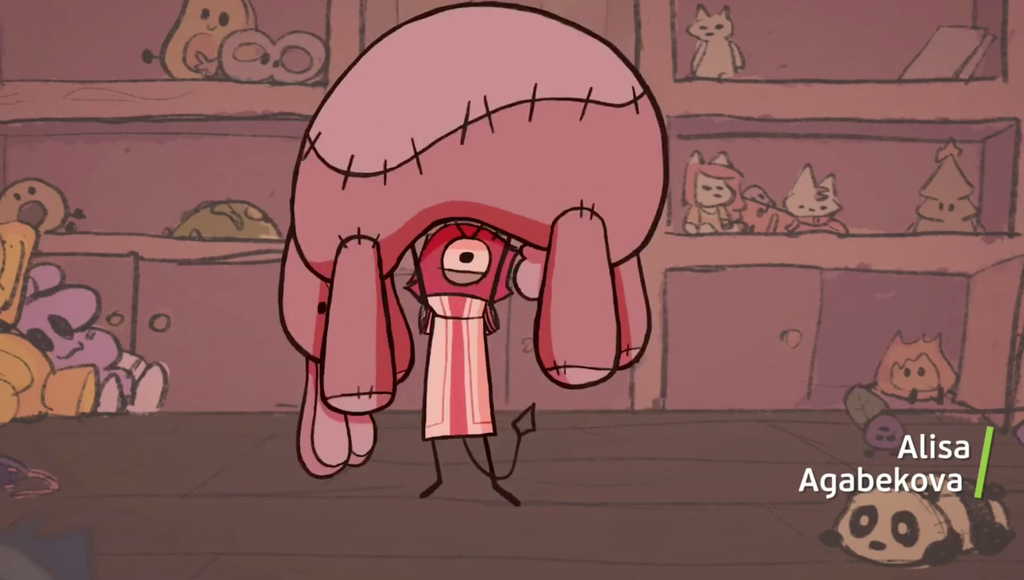
The quality of your question can change the quality of the feedback you receive.
“Does this look good?” gives the reviewer very little direction. Instead, tell them what you’re trying to accomplish and where you’re uncertain.
For example:
- Does the weight read clearly during this lift?
- Does this pose communicate the character’s intention?
- Does the timing make the impact feel heavy enough?
- Is the action still readable when the character turns?
- Does this expression support the performance?
Specific questions help a mentor understand what you’ve already considered. They also turn the critique into a conversation about your creative decisions instead of a search for random mistakes.
You don’t need to identify the solution before asking for help. Identify the area that needs another perspective.
That skill carries directly into professional work. Clear communication helps supervisors understand your choices and makes it easier to discuss revisions efficiently.
Let the Reviewer React Before You Explain the Shot
You know what your character is supposed to be doing. The person reviewing your animation only knows what they see.
Give them a chance to react before explaining every decision.
If they misunderstand an action or emotion, pay attention to that response. The misunderstanding may reveal something useful about how clear the shot is.
For example, you may want to show a character hesitating before picking something up. If the reviewer reads the pause as an animation error, examine why your intended hesitation isn’t coming through.
The same principle applies to portfolio work.
Recruiters won’t sit beside you while they watch your reel. Your animation needs to communicate without a long explanation of what you intended.
Use critiques to test how clear your choices are to someone seeing the work from the outside.
Find the Bigger Problem Behind the Note
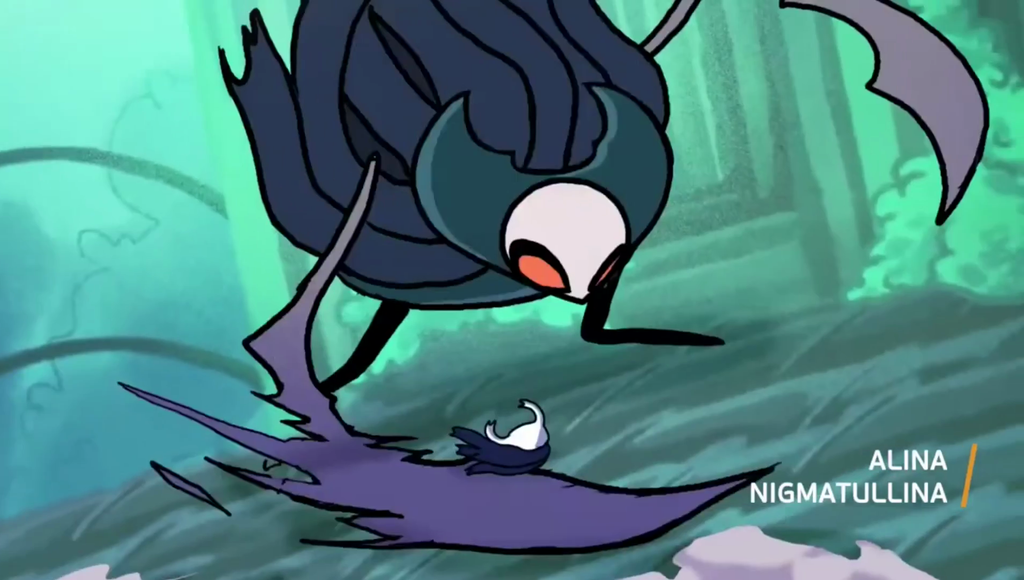
A critique may point to one frame, but the lesson can extend far beyond it.
Imagine your mentor tells you that a character feels too light while lifting a heavy object. You could adjust one pose and move on.
Or you could ask why the weight looks off.
Maybe the character’s center of gravity never shifts or the timing feels too even. Once you identify the underlying problem, you gain a principle you can apply to future shots.
When you receive a note, ask yourself: What is this feedback teaching me beyond this specific frame?
This turns individual corrections into reusable skills.
The next time you animate a lift, push, jump, or impact, you’ll have another idea to consider before the problem reaches critique.
If body mechanics, weight, balance, and physical action keep appearing in your feedback, use those patterns to guide your training. Mechanics of Motion focuses on these areas through increasingly complex animation exercises and professional feedback.
Explore Mechanics of Motion and strengthen the skills behind dynamic character movement.
Fix the Changes That Affect the Whole Shot First
A long critique can leave you with a page full of notes.
Instead of trying to resolve all of them at once, sort your feedback by impact.
Start with changes that affect the foundation of the shot, such as:
- Storytelling and readability
- Main poses
- Body mechanics
- Timing and spacing
- Character intention
Then move into smaller refinements like facial details, overlap, clothing, hair, cleanup, or polish.
This order saves you from spending hours refining something that may change when you adjust the larger movement.
It also makes your revisions easier to evaluate. Complete the major changes before you watch the shot again. That way, you can see how much the big changes solved before moving into the details.
Learning to prioritize notes prepares you for production environments where time and deadlines shape how you approach revisions.
Stop Treating Every Critique Like a Separate Lesson
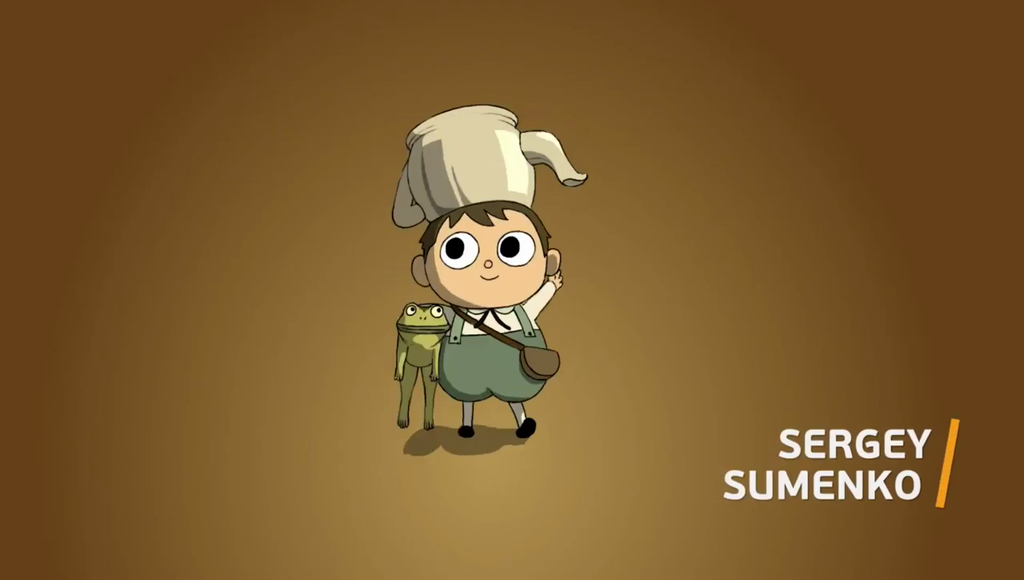
One critique helps you improve one shot. A collection of critiques can tell you what to practice next.
Keep track of the notes you receive.
If a mentor mentions inconsistent volume once, fix the shot. If you hear the same note across several assignments, turn it into a practice priority.
Look for patterns like:
- Stiff poses
- Unclear weight
- Even timing
- Weak silhouettes
- Inconsistent proportions
- Expressions that don’t support the performance
Recurring feedback shows you where focused practice could have the greatest effect.
This also helps you choose training based on what your work actually needs. Instead of practicing whatever exercise happens to look interesting, use evidence from your own animation to decide where to spend your time.
If your feedback keeps returning to timing, spacing, volume, arcs, or other core principles, Traditional 2D Animation Basics gives you a structured way to strengthen those fundamentals through assignments and weekly critiques.
If your notes focus more heavily on emotion, intention, expression, and performance, Acting helps you develop those skills through character-focused animation.
Choose the training that addresses the problems you’re ready to solve next.
Revise the Shot Before Asking for More Feedback
Feedback works best as a cycle:
- Create
- Review
- Get feedback
- Revise
- Review again
Give yourself time to make a meaningful revision before asking someone to evaluate the same problem again.
If your mentor tells you that a pose lacks clarity, don’t move one arm slightly and immediately ask whether it’s fixed. Explore the note and try alternatives. Then, compare the different versions and determine which solution communicates the action most clearly.
Then return for another perspective.
Taking ownership of the revision helps you develop problem-solving skills and improve the creative decisions you make in the future.
That becomes especially important when you start working with a team. A director or supervisor needs to give you direction and trust you to turn that direction into stronger work.
Practice Taking Feedback Before You Enter a Studio
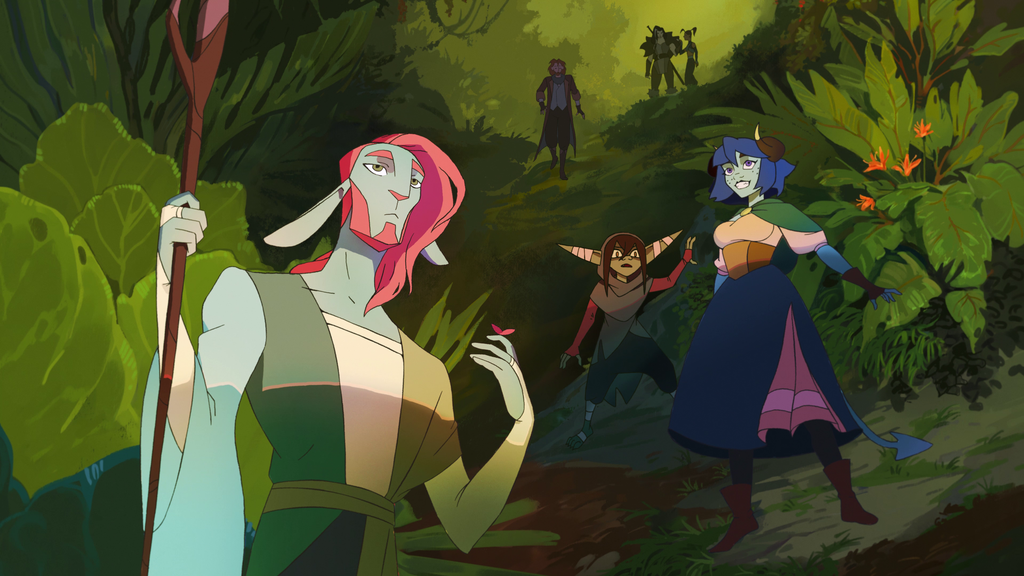
Animation rarely develops in isolation.
Professional projects involve directors, supervisors, producers, clients, and other artists. Your work needs to fit the goals of a larger production, which means receiving notes and revising your work will become a regular part of the process.
Use your education to practice those habits early.
Learn how to:
- Present your work clearly.
- Listen without immediately defending every choice.
- Ask useful questions.
- Identify the priority behind a note.
- Make revisions independently.
- Communicate when something isn’t clear.
- Apply lessons from one shot to the next.
Collaborative projects add another layer. Your decisions affect work that other artists need to complete, so communication and revision become part of contributing to the team.
Our Short Film Creation courses give students experience working within a collaborative production alongside other artists and professional guidance. Students contribute to a shared project, participate in critiques, respond to feedback, and see how their work fits into a larger pipeline.
Explore Short Film Creation if you’re ready to practice your animation skills inside a collaborative production workflow.
Make Every Critique Change What You Do Next
A useful critique extends beyond the shot it applies to.
Take the notes back to your work, make the revision, evaluate the result, and carry the lesson into your next assignment.
Over time, you’ll start catching problems earlier, and you’ll start asking more specific questions. Recurring notes will show you what to practice, and feedback will become another tool for making decisions instead of a list of corrections to follow.
Those habits prepare to work with other artists, respond to professional direction, make stronger revisions, and take greater responsibility for the quality of your animation.
At Animation Club School, feedback plays a central role throughout our courses. Structured assignments give you something specific to practice, while professional critiques help you understand what to improve and where to focus next.
And remember: don’t measure a critique by how many notes you received. Measure it by what you understand better when you return to your work.