
The animation industry is changing. With the advancement of generative A.I., the downsizing and consolidation of animation productions, and the rise of indie pilots, it’s easy to feel lost amid these shifts. The good thing is that, as an animator, you are adaptable. Many animators study other creative industries for visual inspiration and incorporate what they learn into their workflow. They look at cinematic lighting in live-action films, rendering styles in games, or composition in illustration work. But one of the most valuable things artists can learn from other industries has less to do with visuals and much more to do with communication.
That’s where graphic design becomes an essential reference for animators.
At its core, graphic design is about clarity of information. Designers learn how to guide attention, organize information, and communicate ideas quickly and effectively. Every choice, including layout, typography, spacing, hierarchy, and color, exists to support a message. They know how to advertise their work and themselves to continually bring in clients.
Those same communication principles apply directly to animation, especially when putting your portfolio out there.
In the presentation of your portfolio, consider the same things studios think about when they review reels:
- Can the audience immediately understand the emotion of a shot?
- Is the viewer’s eye guided intentionally?
- Does the movement support the story?
- Can recruiters quickly recognize your strengths in a demo reel?
The animators who understand this often appear far more professional, even as they are still developing technically. This is where thinking like a graphic designer comes in handy. If you focus on what you are communicating in your work and how you present it, rather than just focusing on how to get a job, you are more likely to appeal to studio recruiters and clients than just showing cool animation shots.
Clarity Is More Important Than Complexity
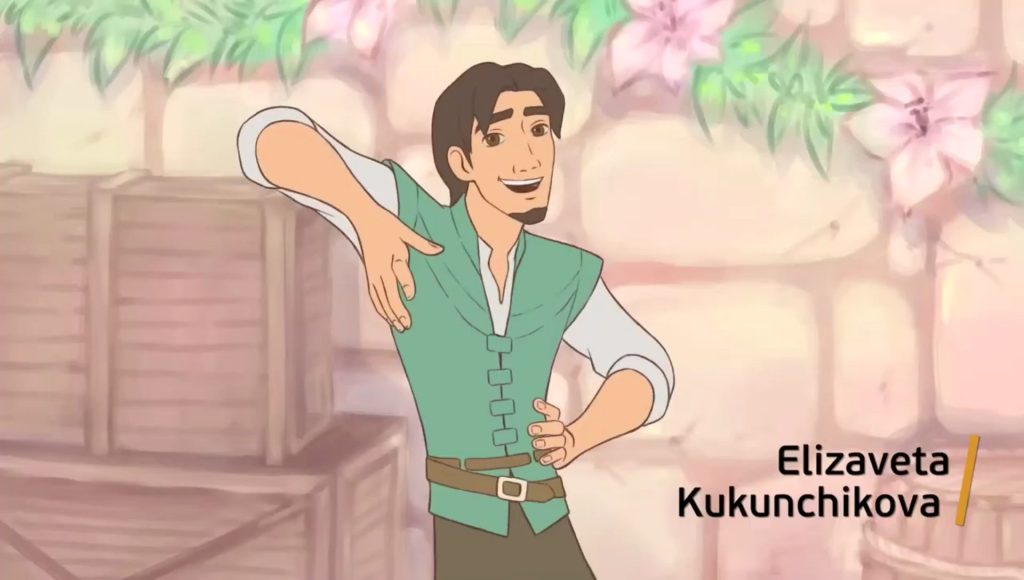
One of the first things graphic designers learn is that good communication happens quickly. If a poster is confusing or a website is difficult to navigate, the design fails regardless of how visually impressive it looks.
Animation works the same way.
Many beginner animators try to improve shots by adding more movement, camera motion, effects, and acting choices. Professional animation, however, usually depends more on clarity than complexity. The audience should instantly understand:
- Where to look
- What action matters most
- What the character is feeling
That’s why staging and posing matter so much. A simple pose with a strong silhouette is often more effective than a complicated shot filled with visual noise.
Professional animators constantly think about readability. Every movement should support the story, emotion, or performance of the scene. When too many ideas compete for attention at once, the impact of the shot becomes weaker.
Now apply this to your portfolio. Where does the viewer’s eye go when you present your work?
Presentation Shapes Professional Perception
Graphic designers understand something many artists underestimate: presentation changes how work is perceived. Designers spend years learning how to organize information clearly and guide viewers through content smoothly. Animators benefit enormously from adopting the same mindset.
Your demo reel is the perfect place to apply this principle. It’s a presentation of your work and a demonstration of your professionalism.
Small details such as reel length, shot order, music choice, thumbnail quality, labeling, and website organization can dramatically affect how professional your work feels.
Because studios review so many applications, recruiters often make decisions quickly. A clean presentation helps your work feel easier to trust from the start.
Professional portfolios remove friction. Recruiters should immediately understand what role you want, what your strongest work is, and how to contact you.
The easier your work is to navigate, the more professional it feels.
That’s also why portfolio feedback matters so much. Many students focus entirely on improving animation skills while overlooking the presentation issues that affect hiring decisions just as heavily.
In our Traditional 2D Animation Basics course, our mentors review student reels using the same standards studios expect of junior artists. We teach students how to improve their animation and how to polish and present their work to studios and potential clients.
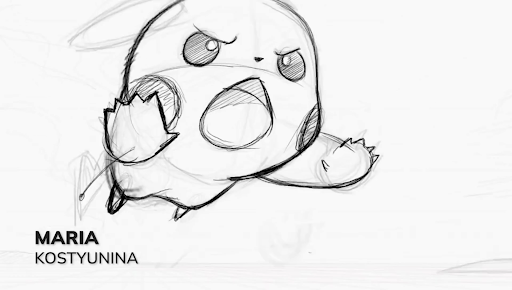
Personal Branding Helps People Remember You
Many animators avoid the idea of personal branding because it sounds overly corporate. They feel like it gets in the way of their creativity. Or they struggle with the idea of having to market themselves. But in practice, branding simply means presenting a clear professional identity.
When recruiters visit your portfolio, they should quickly understand:
- What kind of animator are you?
- What are your strengths?
- Where do you fit within the industry?
A portfolio that feels unfocused can be confusing, as if you don’t know what you want to do, even if individual shots are strong. For example, a reel that combines preschool comedy, horror cinematics, anime fight scenes, motion graphics, and realistic creature animation may make it difficult for studios to understand your professional direction. These make it hard for them to see you as a strong fit for the role you are applying for.
This doesn’t mean artists should stop experimenting creatively. But not all your experiments need to go into their reel. You just need to make sure their portfolio communicates their intention when they present it.
Studios are usually hiring for specific production needs. A focused reel makes it easier for recruiters to imagine where you fit within their pipeline. Or, if a client is looking to hire you, they need to be able to envision the success you can deliver based on your previous work.
When you look at the graphic design industry, they are always solving communication problems through positioning and clarity, aka marketing themselves through what they can provide clients rather than the things they have created. Animators can benefit from the same approach by emphasizing a consistent skill set, artistic strength, or target role. Think, “What are my skills selling?”
The clearer your professional direction is, the easier you are to remember.
Great Artists Think About the Audience
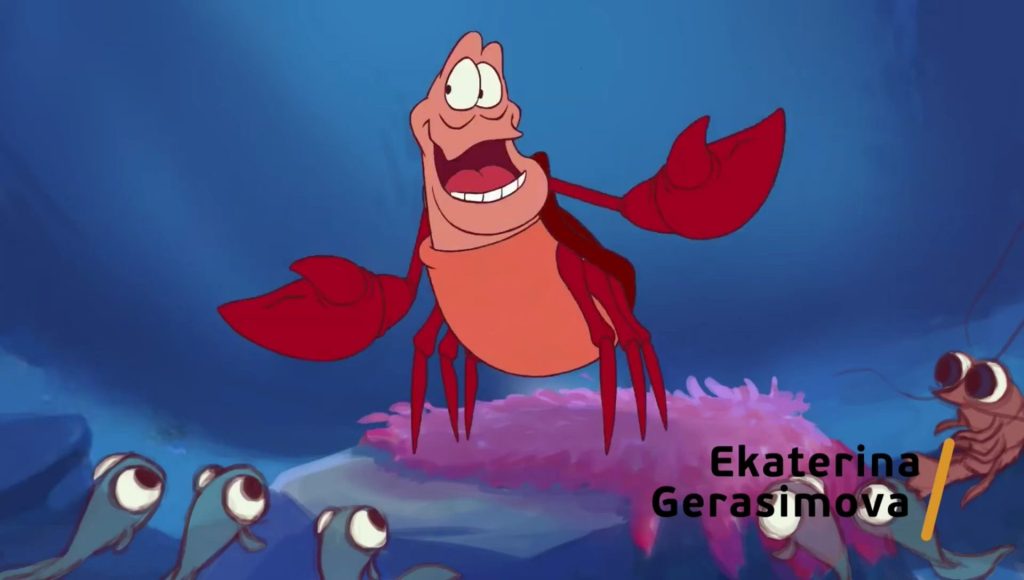
Graphic design is deeply audience-focused. Designers constantly ask:
- Who is this for?
- What problem does it solve?
- What action should the viewer take?
Professional animators can benefit from this mindset as well.
Many students create portfolio pieces based only on what feels fun to animate, which is a good starting point. As your skills grow and you consider joining the industry, you need to think more strategically. Instead of asking what you want to animate, you should consider what kind of work will help them get hired.
That shift changes portfolio decisions immediately.
An animator targeting feature films may prioritize acting and performance shots. Someone interested in game cinematics may focus on dynamic action and camera work. Creature animation, TV animation, and VFX all require different portfolio strengths.
Studios hire artists who can solve production problems and contribute to specific types of projects. The strongest portfolios make technical skills easy for recruiters to recognize quickly.
That’s why our course assignments focus on portfolio-ready work tied to real-world production expectations. Every project is designed to help students build skills that support specific industry goals rather than isolated practice exercises.
Professionalism Includes Workflow and Collaboration
One of the most overlooked graphic design lessons for animators is the importance of systems and workflow.
Graphic designers often work within structured systems that rely on templates, style guides, organized assets, and collaborative pipelines. Animation studios operate the same way. However, many students focus only on artistic skill while ignoring the production habits studios rely on every day.
Reliable artists:
- Organize files clearly
- Communicate revisions efficiently
- Follow naming conventions
- Manage versions properly
- Stay consistent within pipeline standards
These habits may seem small, but they have a major impact in professional environments. A talented animator who creates confusion inside production pipelines can become difficult to work with, while organized and dependable artists often become extremely valuable team members.
Studios are collaborative environments. Professionalism is visible not only in the final animation but also in how artists communicate, solve problems, and contribute to efficient production.
That’s why production-ready training, like our Short Film Creation courses, matters. Strong workflows, clean organization, and clear communication are all part of becoming employable in the animation industry.
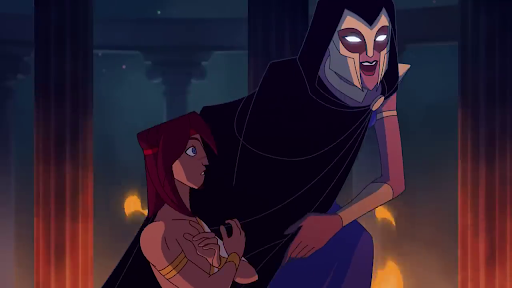
Great Animators Treat Feedback as Collaboration
Graphic designers are trained to iterate constantly. Critique is treated as a normal part of improving the work rather than a painful experience to avoid.
That mindset is incredibly valuable in animation.
Many developing artists struggle with feedback because they become emotionally attached to individual shots or ideas. But professional production involves constant revision. Directors change scenes, supervisors request adjustments, and client priorities shift throughout the process.
The goal is not perfection on the first attempt. The goal is improvement through iteration.
Professional animators learn how to separate themselves from the work emotionally and focus on solving communication problems instead. Rather than defending every decision, they stay adaptable and collaborative.
This attitude matters enormously in studio environments. Teams enjoy working with artists who respond professionally to feedback, communicate clearly, and stay focused on improving the final result.
Technical skill may help artists get noticed, but collaboration and adaptability often sustain long-term careers.
Business Skills Create Career Opportunities

One of the biggest differences between animation education and design education is how strongly the design industry emphasizes business and communication skills alongside creative ability.
Graphic designers are often trained in:
- Client communication
- Self-promotion
- Networking
- Pricing
- Presenting their work professionally
Many animators never formally develop these skills, even though they directly affect career opportunities.
Technical ability matters, but studios and clients also need to discover your work, trust your professionalism, and remember you when opportunities appear.
For animators, business awareness can include:
- Maintaining a professional online presence
- Communicating clearly with collaborators
- Building industry relationships
- Presenting portfolio work effectively
- Meeting deadlines consistently
- Responding professionally
- Working well within teams
Remember that studios are looking for people they’d enjoy working with. That means they want strong animators who can also contribute positively inside production environments.
That’s why professionalism becomes a competitive advantage.
Final Thoughts
Animation and graphic design may use different tools, but both industries revolve around communication.
Many of the most valuable graphic design lessons for animators aren’t aesthetic. Animators can benefit from learning how graphic designers handle clarity, presentation, audience awareness, workflow, feedback, and professionalism. These skills help artists create stronger portfolios, present their work more clearly, and contribute more effectively inside production environments.
Studios are looking for artists who:
- Present work clearly
- Collaborate well
- Understand production realities
- Communicate professionally
Those are the qualities that turn artistic skill into long-term career opportunities.
Becoming a professional animator begins with the basics, such as learning software or improving drawing skills. But if you want a career in the animation industry, you also need to build a portfolio-ready body of work, production habits, and professional communication skills so studios trust you as part of a team.
That’s why our courses focus on real industry workflows, mentor feedback, and portfolio-focused assignments designed to help students move closer to studio-level work.