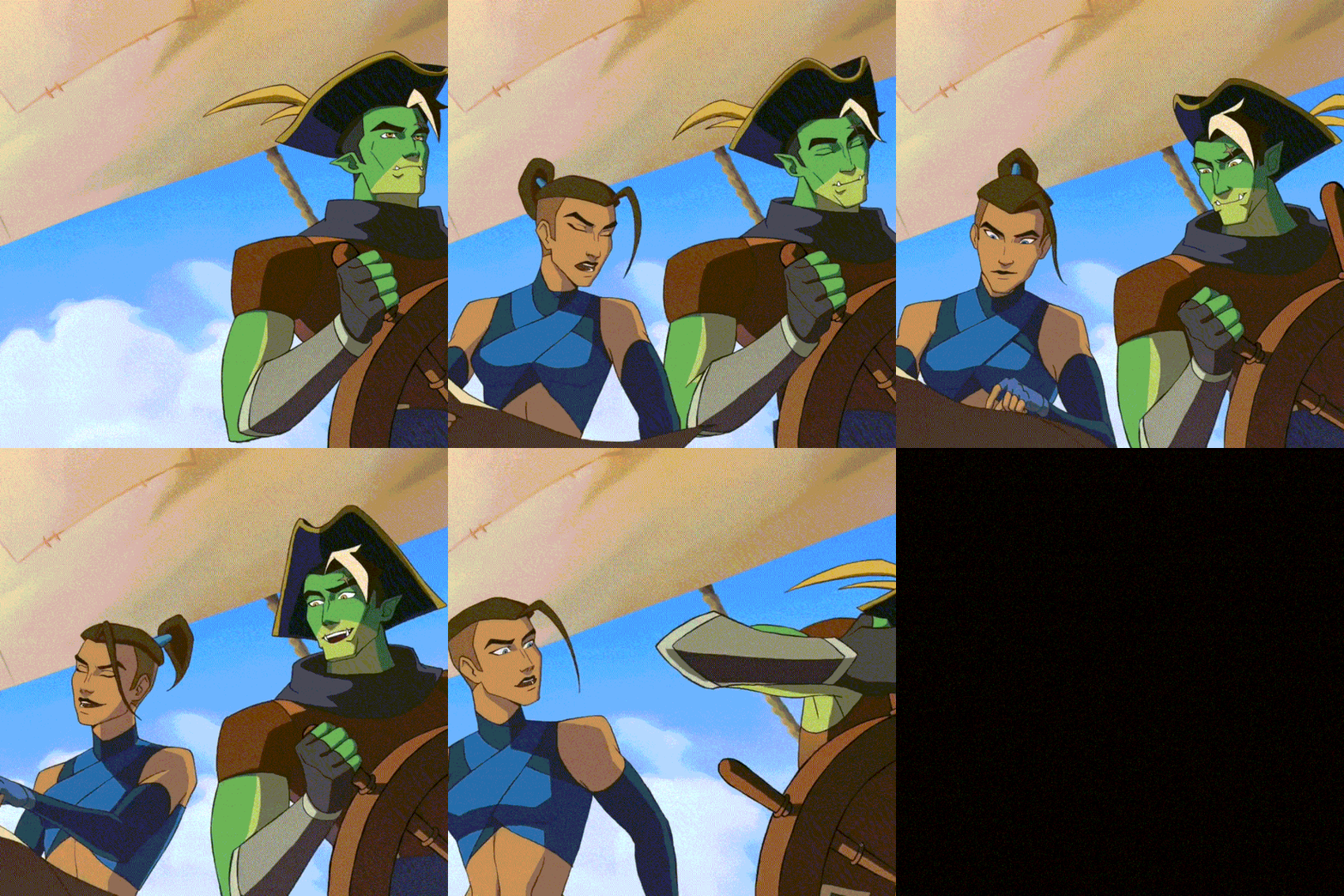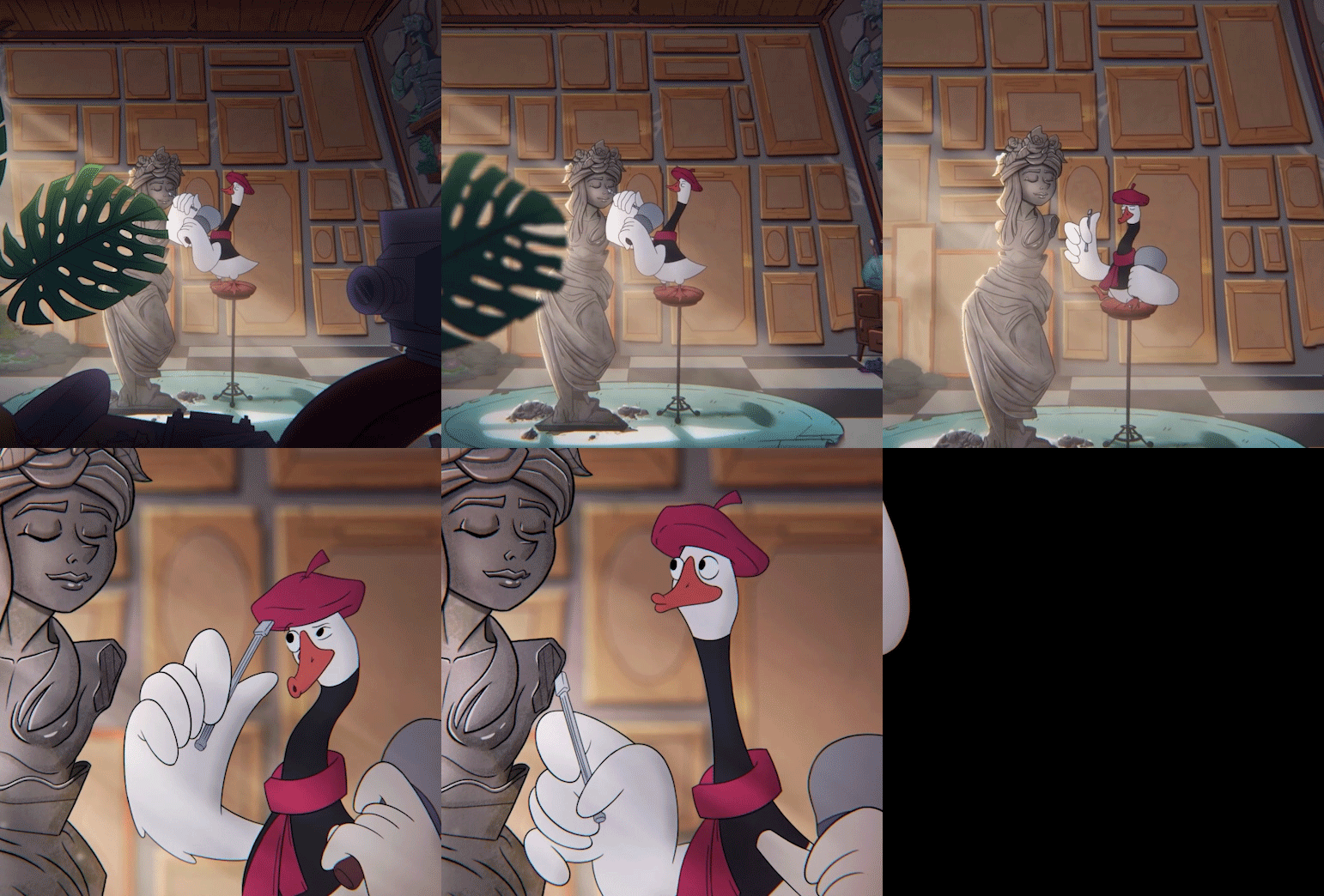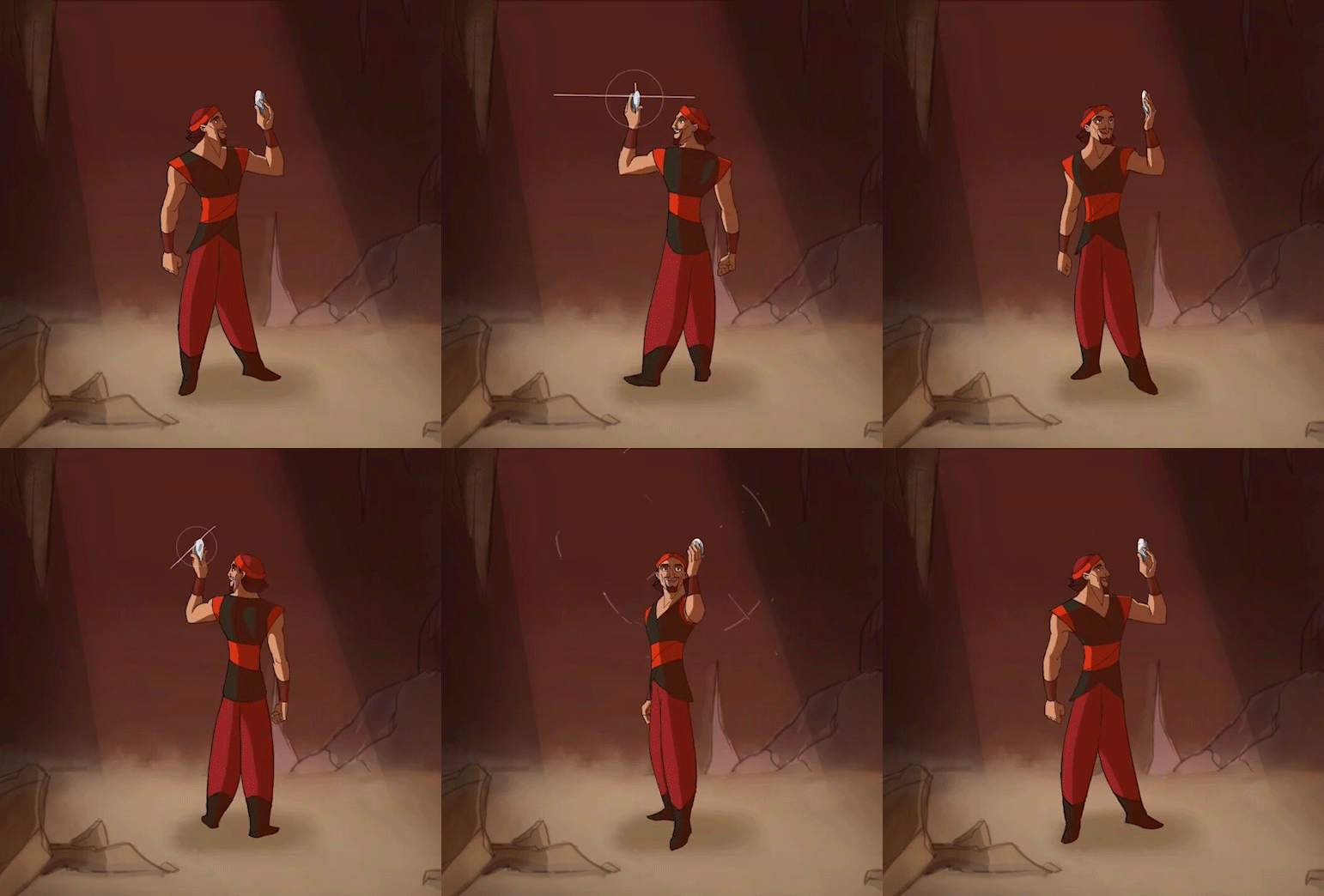

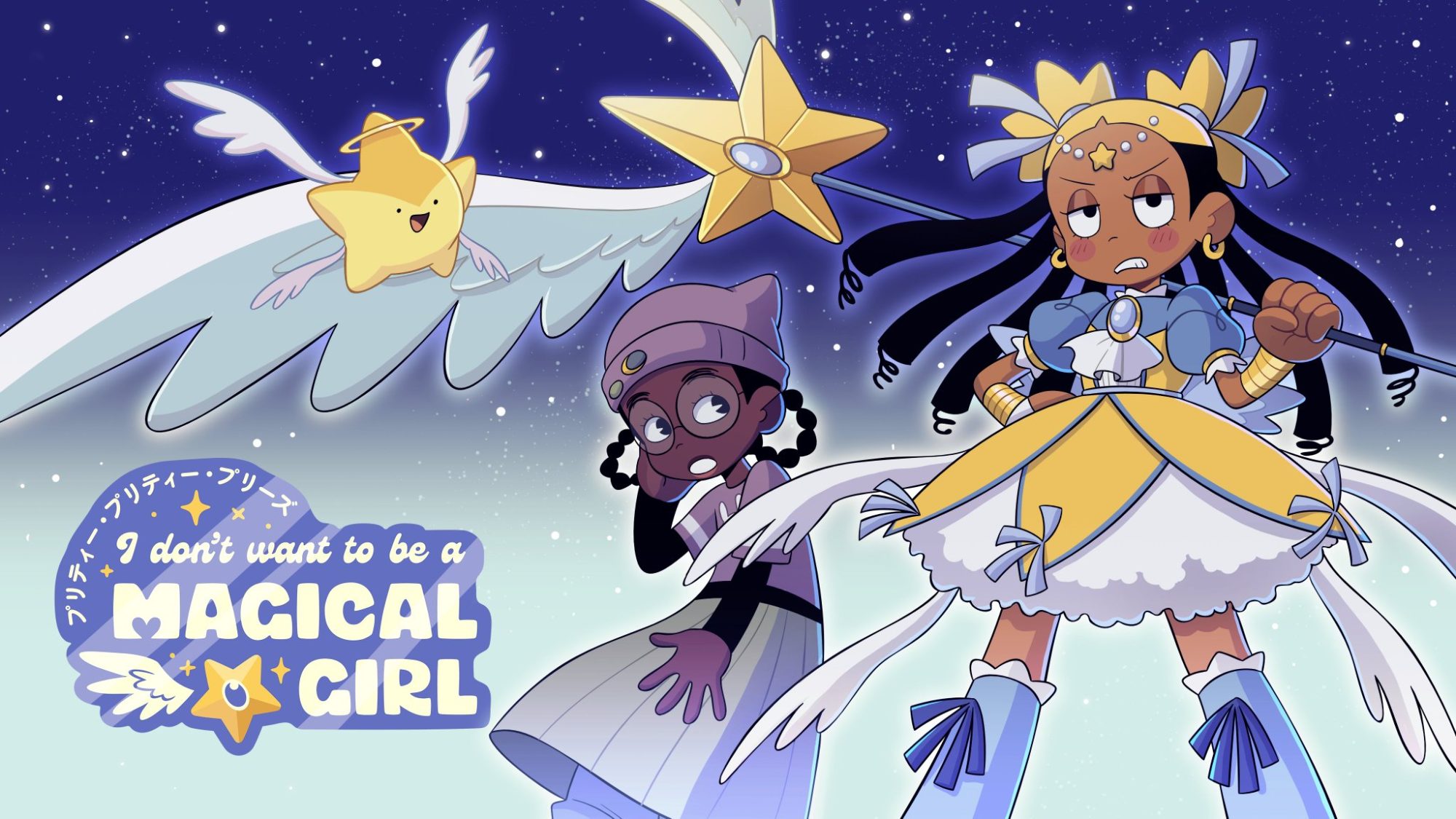
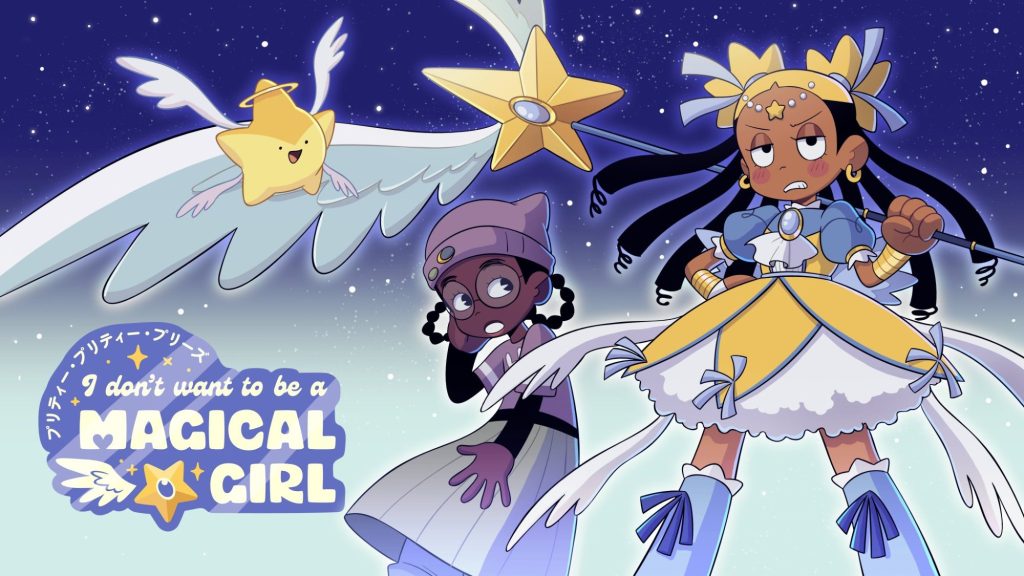
Pretty Pretty Please I Don’t Want to Be a Magical Girl flips the classic magical girl trope on its head. Instead of sparkles and destiny-fueled enthusiasm, this story leans into reluctance, frustration, and the absurdity of being chosen without consent. It’s funny and awkward, and it explores burnout and the pressure to perform a role you never auditioned for.
This 11-minute pilot was released on YouTube on February 28, 2025, to an overwhelming reception, with over 2 million views within a week. It was created by the award-winning storyboard artist and director, Kiana Khansmith, who worked on projects such as Big City Greens and Pokémon: Path to the Peak.
Follow Kiana Khansmith’s work on Instagram.
An Unwilling Magical Girl and Her Story
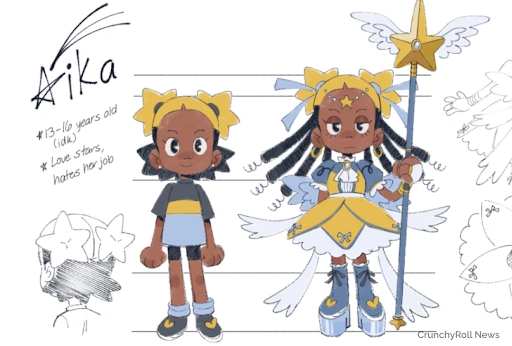
In the short, you follow Aika, a normal girl going to a normal school, living a normal life, but she’s really not a normal girl. She’s a magical girl. The plot twist in the genre of classic magical is that Aika doesn’t want the magical powers that she was given. Rather than embracing her destiny with sparkles and dramatic transformations, Aika would much rather just live an ordinary life. When magical villains like Eclipse and the enigmatic Lady DeVoid disrupt her day, she’s forced to respond with a very un-magical weapon: a lead pipe.
Inspired by Kiana’s work on Mai: Pokémon, this magical girl project began in 2024 as an experimental portfolio piece. She started with character sketches and simple movement studies, with hairstyles that were pretty reminiscent of Satoshi/Ash’s. Then developed a short film showcasing her unique animation style and visual storytelling skills, drawing inspiration from Sailor Moon. Its unique approach of blending humor, genre parody, and expressive characters helped it grow into a fully voiced animatic with a dedicated creative team.
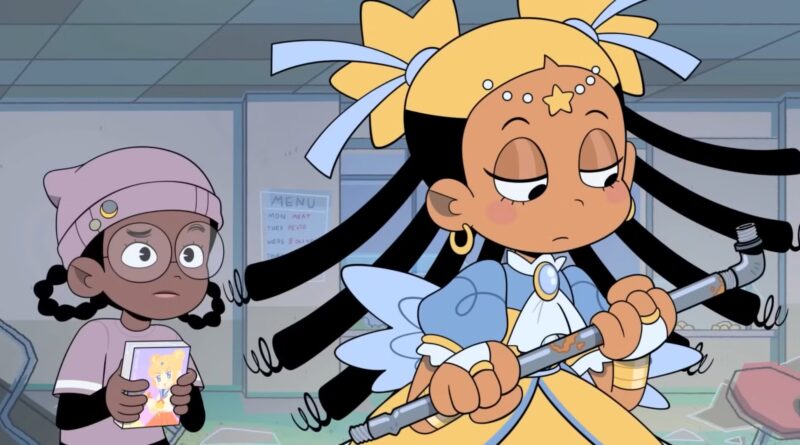
For aspiring animators, the project shows how far strong fundamentals can take you: understanding motion and weight is key. That’s exactly what students practice in courses like Mechanics of Motion in Traditional 2D Animation, which focuses on believable movement.
How the Pilot Came Together
The piece blends storyboards, voice acting, and animation into an animatic, a format that sits between rough storyboard and full animation. The fully animated scene within the pilot serves as a proof of concept, demonstrating how the world and characters could translate into a full series.
Aika’s sidekick, the star‑shaped Hoshi, and her friend Zira add energy and emotional contrast to Aika’s jaded attitude toward heroism. The humor and genre awareness in the pilot help it balance action and comedy, making even the simplest scene feel engaging.
This layered character work is similar to what professional animators learn when they tackle acting in animation: you don’t just move a figure across the screen, you show why they move, and what they feel while doing it.
Join Acting in 2D Animation to learn how to convey emotion through eyes, poses, and timing.
Audience Reaction and Online Buzz
Once posted online, the pilot spread rapidly across platforms. Within the first days it surpassed 1.8 million views on YouTube and continued growing throughout 2025. Viewers on Reddit, Tumblr, and other platforms praised its clever writing, expressive character design, and genre twists, with many fans calling for more episodes.
This kind of grassroots popularity is reminiscent of another influential web animation phenomenon: Animator vs. Animation, a series of stick‑figure shorts created by Alan Becker in the mid‑2000s. That project began as a simple Flash experiment but became a cultural touchstone online because it used clever visual storytelling and timing rather than big budgets, something Pretty Pretty Please… shares in spirit.
What’s Next for the Project
Although only a single pilot has been released so far, Kiana Khansmith continues to update fans with behind‑the‑scenes art, short comics, and concept work across social platforms. There are hints that more animated sequences could be in the works, and online fan demand remains high.
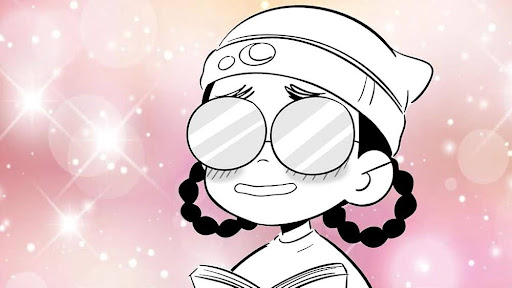
The project has also appeared in animation showcases and discussions, like Crunchy Roll, giving students and creators a chance to see how an indie pilot is developed, from early sketches to final animatics.
These kinds of insights are invaluable when building a professional portfolio, which is exactly why hands-on programs like Short Film Creation: Animation & Directing walk students through production from concept to finished cut.
Big Magical Takeaway
One of the most valuable takeaways from Pretty Pretty Please I Don’t Want to Be a Magical Girl is how much storytelling work is already done at the storyboarding stage.
Emotion leads every shot.
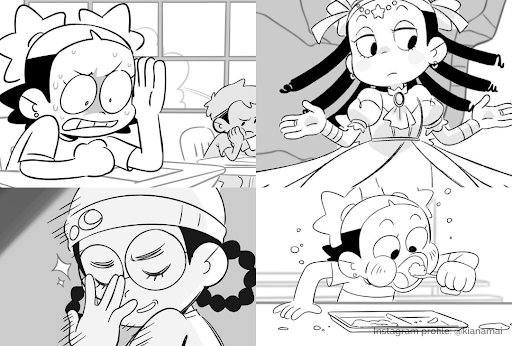
The boards consistently prioritize the character’s feelings over complex camera moves. Awkward pauses, lingering shots, and carefully chosen framing allow discomfort, frustration, and denial to read instantly. This approach reminds animators that if the emotion isn’t clear in the storyboard, it won’t magically appear in animation.
Acting choices are not accidental.
Much of the pilot’s charm comes from subtle acting moments: slumped posture, delayed reactions, and small shifts in body language. These beats are clearly planned in the boards, showing that believable acting starts with intentional posing and timing, not just clean animation.
Simple shots keep the story readable.
Rather than relying on complicated camera work, the pilot uses straightforward compositions that serve the scene. Clean shot–reverse–shot dialogue, centered framing during awkward moments, and gentle push-ins during emotional beats keep the focus where it belongs: on the characters. Clarity always wins over complexity.
Timing is the backbone of comedy.
Many of the pilot’s funniest moments land because of when the cut happens, not just what’s said. Reaction shots are allowed to over exaggerate, silences are held longer than expected, and punchlines land at the right moment. These choices are planned in the storyboard, proving how closely timing and humor are connected.
Worldbuilding is handled visually, not through exposition.
The magical-girl premise is introduced economically through visual cues and character reactions rather than heavy explanation. Storyboards show how much information can be communicated through staging and performance alone which is a critical skill for short-form storytelling and pilots.A clear creative voice starts in the boards.
The pilot maintains a consistent balance of humor, discomfort, and sincerity throughout. That tonal consistency doesn’t happen by accident. it’s established in the storyboard. Defining tone, pacing, and performance style early allows every shot to reinforce the same creative vision.
Why This Matters for Students
Pretty Pretty Please I Don’t Want to Be a Magical Girl isn’t just another animation dropped on YouTube. It proves that compelling animation starts long before cleanup or polished scenes. For students building demo reels, strong storyboards demonstrate:
- Understanding of acting and emotion
- Control of pacing and timing
- Ability to communicate a story visually
These are the exact skills studios look for, and this foundation is taught directly in our focused 2D animation course. We help you master storyboarding one step at a time, preparing you for working on a production. It’s where storytelling, performance, and motion first come together.
Sources
- Pretty Pretty Please I Don’t Want to Be a Magical Girl — Wikipedia article
- Pretty Pretty Please pilot and creator details — HalftoneMag
- Pretty Pretty Please… early concept and pilot info — IDWTBAMG Wiki
- Pilot viewership and buzz — Red’s Nerd Den