
Once you’ve developed your skills and chosen the role you want to pursue, the next step toward your first animation job is networking.
Many animation positions are never publicly posted. Studios often hire through referrals and recommendations from artists they know and trust. Often, the best way to find a job is to be the person people remember when an opportunity arises.
That means your network can directly affect whether you get hired or overlooked. In animation, your network isn’t separate from your career. It’s part of how you get hired.
Networking isn’t about being loud, fake, or constantly promoting yourself. In fact, that approach often works against you. The goal of networking is simple: build real relationships over time.
Why Networking Matters in Animation
Animation is a collaborative industry. People generally want to work with other people who are talented and pleasant to be around. Studios look for artists who:
- Are reliable and easy to work with
- Can take feedback and improve quickly
- Have experience collaborating
- Work well within their team environment
Your network becomes proof of these qualities. When another artist recommends you, they’re saying that you have the skills and personality to succeed in the role.
Where Do You Start?
How do you stand out and start building a network? It may be frustrating to hear, especially for people who struggle with social anxiety or with leaving the house, but you need to put yourself out there. You need to meet people and engage with them, whether it’s in person or online.
Like any other skill in animation, networking is about practice. The more you do it, the better you’ll get at it and the easier it will be. You can start small and build up from there. If it feels intimidating, focus on a few real connections. That’s how strong networks grow.
Join artist communities
One of the easiest places to start is where artists are already gathering. Some ideas include:
- Discord servers, like the Animation Club School’s server
- Critique groups
- Livestream chats
- School-hosted spaces
- Art websites
Participate in conversations and ask thoughtful questions. When people ask for feedback, comment and offer advice. Post some of your own art for feedback in critique spaces, and you may learn something new while making a connection.
If you’re unsure where to begin, our Discord and livestreams are designed as low-pressure spaces to start connecting.
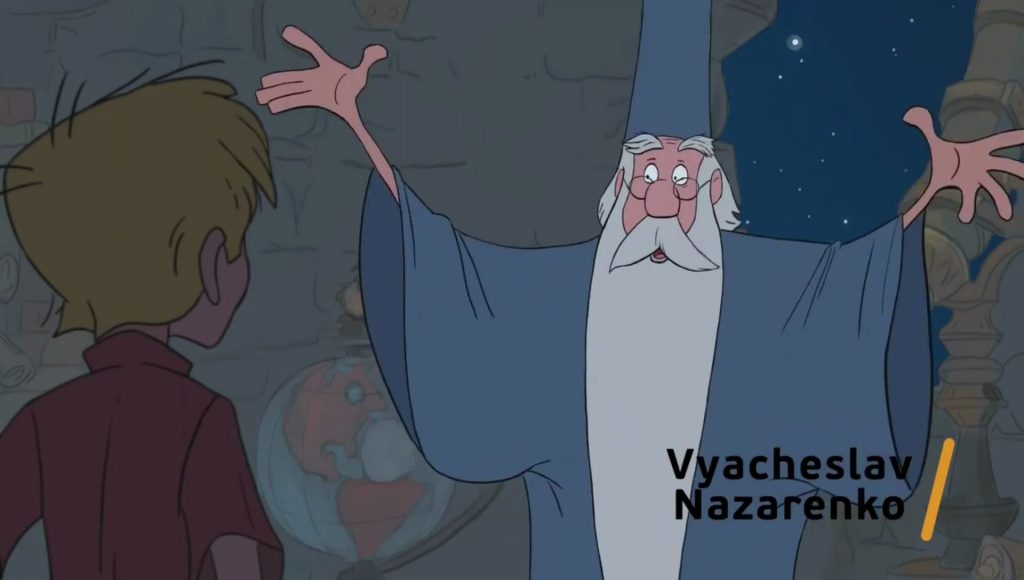
Learning in spaces with industry professionals accelerates networking. At Animation Club School, our mentors have worked on productions for studios like Disney and Netflix. In our courses, you’re learning real workflows used in production.
When you:
- Apply feedback
- Stay consistent
- Show improvement
- Ask thoughtful questions
- Learn from what others do well
You naturally become someone mentors remember. Plus, an animation mentor can help you improve quickly by pinpointing where you need to improve and showing you how to do it.
If you want direct feedback from working animators, learning in a structured environment like our One-Month Intensive Mentorship can help you improve faster and get noticed.
Attend industry events
When it’s possible, go to events like
- LightBox Expo
- CTN
- Animation panels
- Talks
- Portfolio reviews
- Job fairs
These give you face-to-face exposure to artists and recruiters. Don’t stress about having the perfect pitch. Introduce yourself, ask about their work, listen, and start a conversation. Being genuine and curious will always be better than a rehearsed speech.
Use social media as a networking tool
If you’re not able to meet in person or you want to start small, social media like Twitter/X, LinkedIn, and Instagram can help you get started and connect globally. There are plenty of ways to connect with other artists:
- Follow artists you admire
- Comment on pieces that people post
- Share your own work, whether it’s in progress or finished
- Send short, respectful DMs (no essays or favors)
Remember to keep your comments thoughtful and kind. Share encouragement or feedback if someone requests it. Think about the sort of comments you’d want to receive on social media. Add value, not pressure.
Collaborate to build real connections
Collaboration is one of the fastest ways to build meaningful relationships.
You’ll learn how to:
- Communicate better
- Work with a team
- Accept and apply feedback
- Follow real production pipelines
Look for opportunities to collaborate in structured environments where you can build both skills and relationships at the same time. Our Short Film Creation courses are designed for this, helping you build portfolio work while following workflows that simulate a real studio environment.
Support other artists genuinely
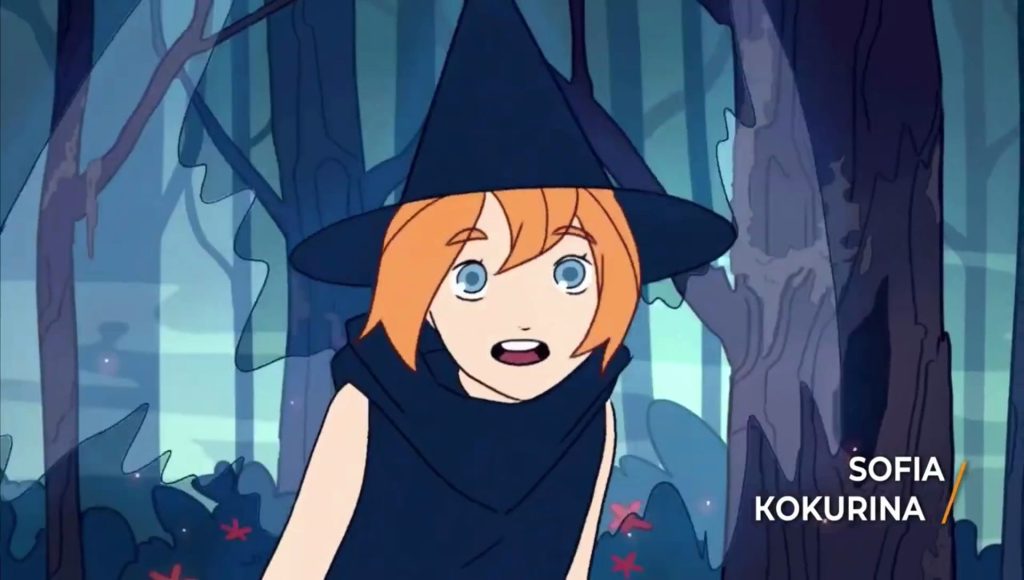
Networking is built on trust. People will always appreciate an honest compliment much more than empty flattery. Some ways you can do this:
- Share others’ work
- Celebrate other artists’ wins with them
- Encourage others during their rough patches
- Offer advice or answer questions
People remember consistency and kindness. A friend who’s there to congratulate them or reassure them means more than a follower who just shares what they’re working on.
Network across, not just up
Remember that your peers are just as important as your mentors. The artists at your level could be your future coworkers or someone you collaborate with on a project. Many first jobs come from peer recommendations. The chances of a director noticing your work and hiring you out of the blue are much less likely.
Networking Skills Checklist
Like any skill, networking improves with practice. For some people, these skills come easily, but others need to learn them more intentionally. Just remember, feeling awkward at first doesn’t mean you’re bad at it. It means you’re learning, and you’re figuring out what works for you.
Start genuine conversations
Every connection starts with a conversation. Some things you can try:
- Ask questions about someone’s work or process.
- Offer sincere compliments. Something specific, like a comment on their posing or color choices, will mean much more than something vague.
- Share common interests when it’s relevant.
- Avoid bringing up job-hunting right away. Try to build an authentic connection with trust first.
Follow up and stay visible
Once you meet someone, you want to keep the connection strong. A few ways to do this:
- Send a short, kind follow-up after meeting someone.
- Comment on posts or updates over time.
- Stay active in communities like Discord, LinkedIn, or X/Twitter.
You can also show up regularly by attending regular events, such as weekly sessions or livestreams. If you tend to lose track of time, try planning a time to catch up on social media every week to make sure you stay consistent.
Add value when you can
A community is about giving and taking. If you want to become part of one, find ways to contribute. You could:
- Share resources, tutorials, or job leads.
- Encourage fellow artists.
- Offer constructive feedback when others ask for it.
- Support others’ work publicly.
- Participate in events
Maintain Connections
Networking isn’t something you do once and then move on. A large part of networking is also keeping up with the people you’ve met. Remember, consistency matters more than intensity.
- Send short, pleasant messages occasionally. Even a quick comment keeps the relationship warm.
- Make an effort to remember things that are important to the other person, such as events they’re participating in.
What To Do Next
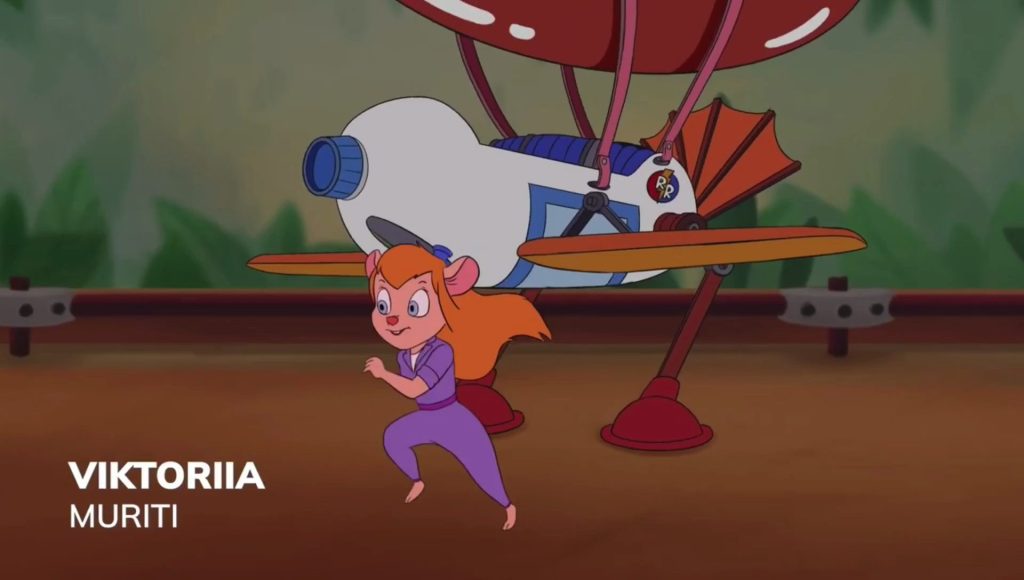
Now that you know what to do, it’s time to get started on actually reaching out to people. You can use this as a simple weekly guide:
☐ Comment on at least 3 artists’ work
☐ Share 1 piece of your own work (whether it’s in progress or finished)
☐ Give feedback in a community space
☐ Start 1 new conversation (online or in person)
☐ Follow up with someone you’ve already met
☐ Support or share another artist’s work
☐ Apply at least one piece of feedback to your work
Save this checklist and come back to it each week to stay consistent.
Cold Outreach
While you’re making connections, you can also pitch yourself professionally. Engaging with job posts, studio announcements, or artist calls and sharing your portfolio appropriately can lead to opportunities.
Cold outreach isn’t useless. It may be less effective than building a network, but when done respectfully and consistently, it works more often than you think.
Combine outreach with relationship-building for the best results.
Conclusion

Networking isn’t something you can ignore. It’s a core part of becoming ready for a career in the animation industry. Like anatomy or perspective, it’s a skill you can practice and learn.
If you connect with other artists and show up consistently, you’ll build a strong reputation. Contribute to communities and support others, and you’ll become known as someone who’s talented and pleasant to work with. A reputation built on mutual trust and respect for each other’s skills can help open doors to your future career.
Start today: reach out to one artist, join one conversation, or share one piece of your work.
If you’re ready to improve your animation while you start building your network, check out our Traditional 2D Animation courses.