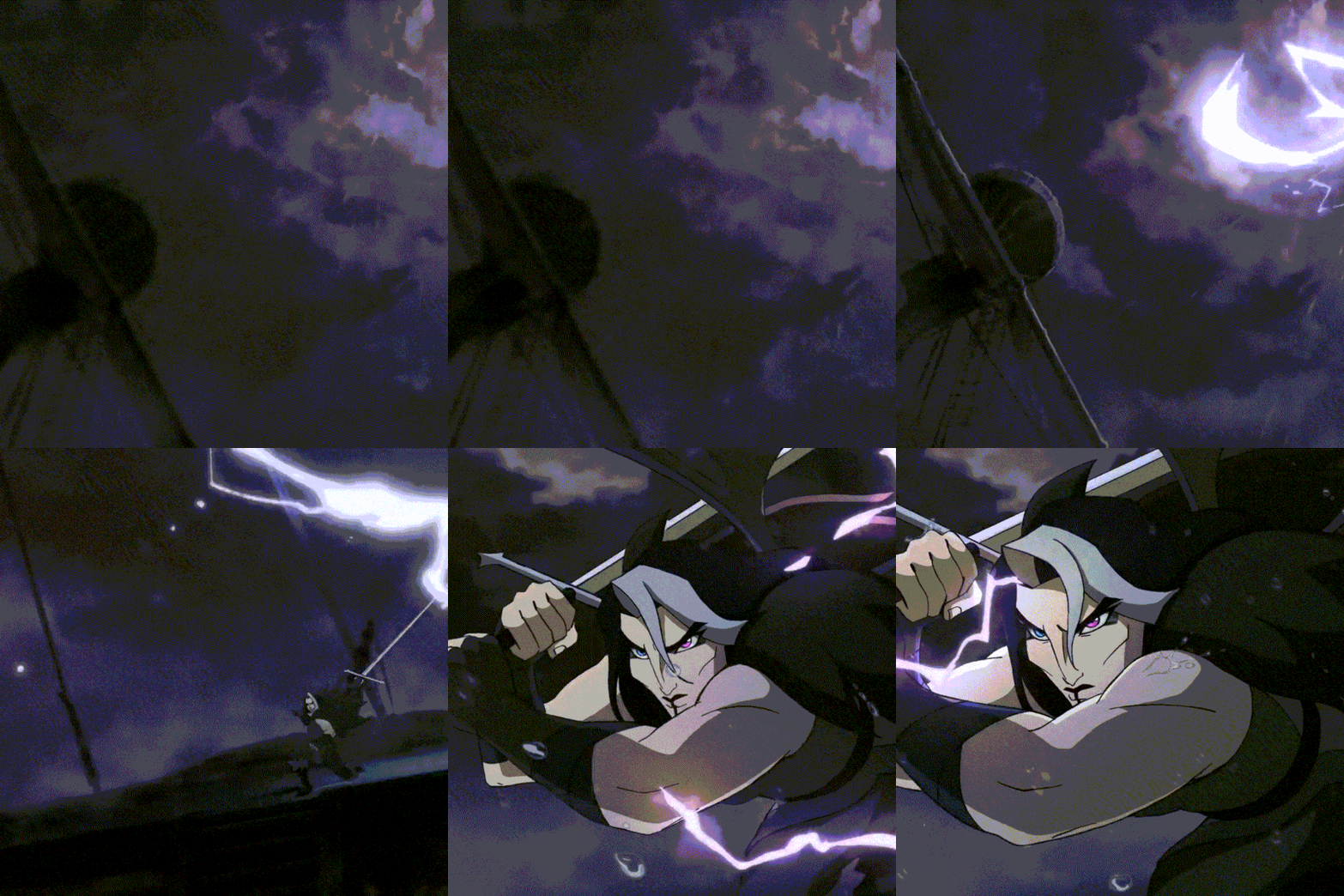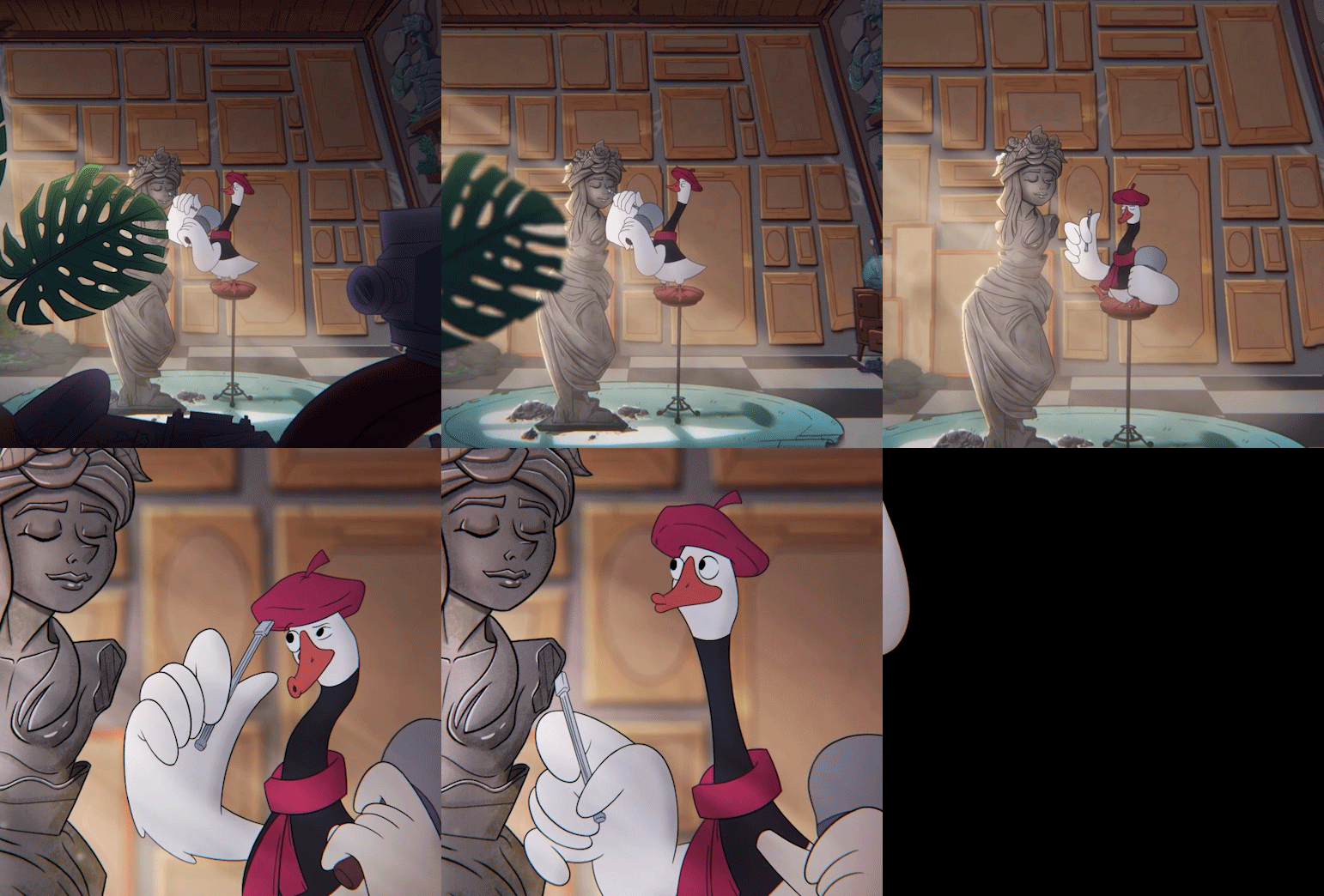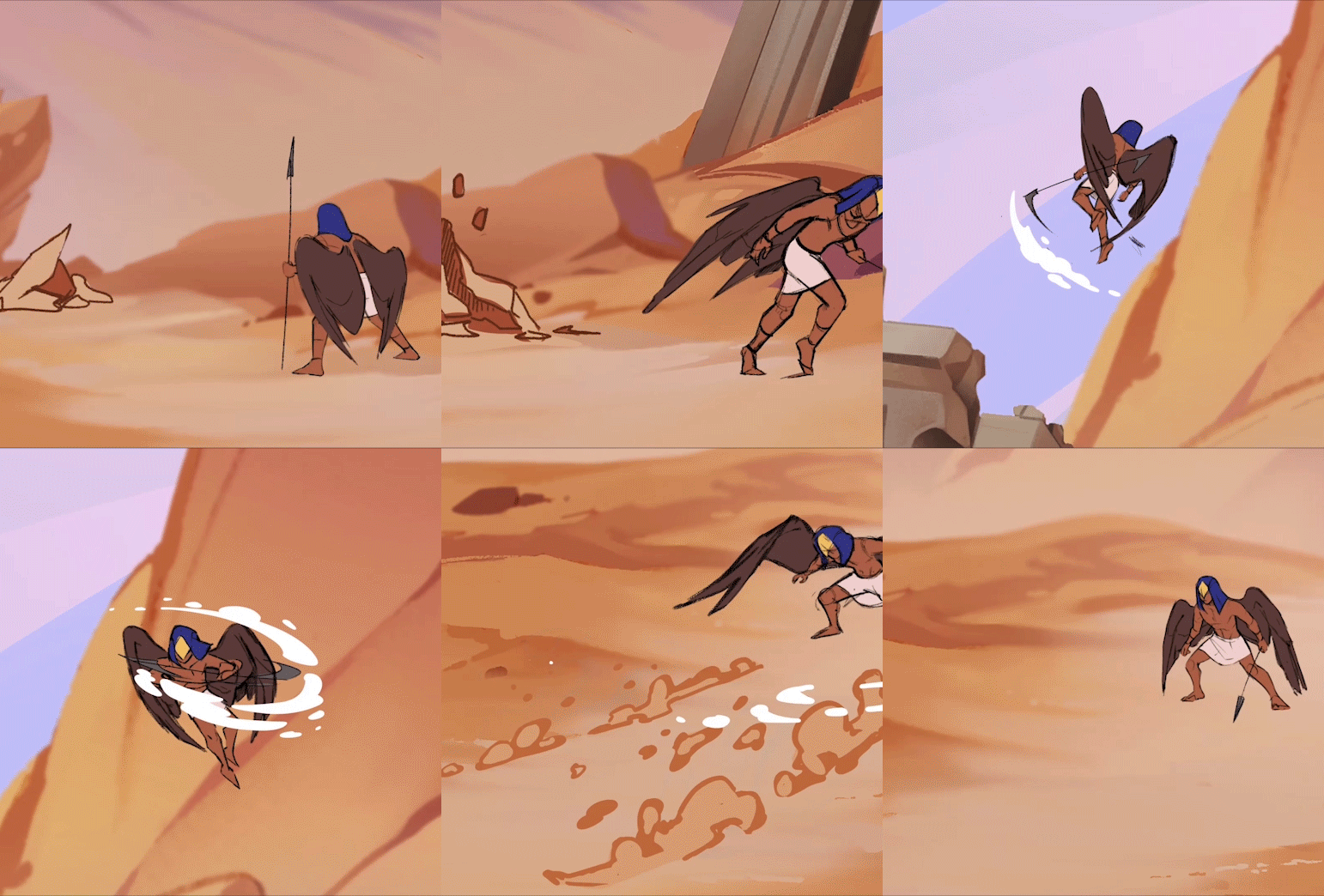

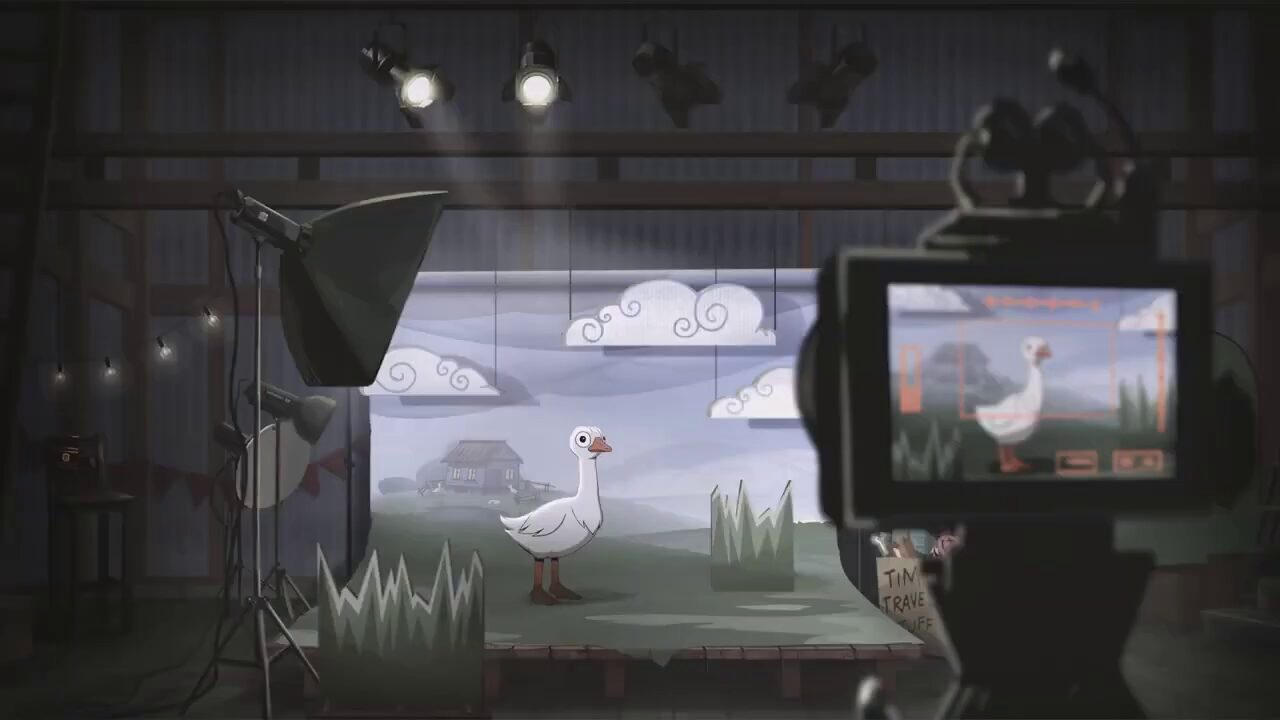
You dream of working on an animated TV show. Maybe you imagine animating an exciting fight scene or creating an emotional performance from start to finish. Maybe you want to have your hands in every aspect of the creative process. Or you want to jump into the industry as a showrunner broadcasting your show to thousands of people.
But that’s not how animation studios work.
Most productions are built by teams of specialists, each responsible for a small part of the final episode. Understanding how animation studios work helps you make smarter career decisions and build a portfolio that matches the role you want.
Why No One Animates an Entire TV Episode
Long before an animator starts working on a shot, other departments have already laid the foundation for the episode. It gets passed through a dozen of different hands before it is ready to be put into motion.
A typical TV production includes specialists, and each of them solves a different creative challenge:
- Writers develop the story.
- Storyboard artists plan every shot.
- Visual development artists define how the show looks.
- Background artists create the environments.
- Layout artists establish the camera and staging.
- Prop and character designers prepare the assets that the animation team will use.
Animators only start their work once all the other areas are finished.
Instead of assigning entire episodes, studios divide the work into hundreds of individual shots. Each animator receives a group of shots based on the production schedule and their experience. Some shots last only a few seconds, while others involve complex acting or action.
Each completed shot becomes one piece of the final episode. Hundreds of those shots come together to create the finished production.
By the time the project reaches compositing, editing, sound, and final delivery, every department has contributed something essential.
That’s what makes animation one of the most collaborative creative industries in the world.
Want to experience a professional production pipeline yourself?
In our Short Film Creation course, you’ll collaborate with other artists, receive instructor feedback, complete revisions, and create a finished animated film while working through a studio-inspired production pipeline.
What Your Job Would Actually Look Like
When you join a production, you’ll receive assigned shots, along with storyboards, layouts, timing information, and character references. Your job is to create animation that fits the show’s style and supports the story and the director’s vision.
Once you finish a shot, it moves through several rounds of review. Supervisors, lead animators, and directors provide feedback, and you’ll continue refining your work until it meets the production’s quality standards.
You’ll repeat that cycle throughout the production, improving every shot with each round of feedback.
Studios look for artists who can:
- Create strong animation.
- Apply feedback effectively.
- Solve creative problems.
- Communicate clearly with teammates.
- Deliver work on schedule.
Strong technical skills help you get noticed, but professionalism and collaboration help you succeed once you’re part of a team.
Why Studios Want Specialists, Not Generalists
If every department has a different job, it makes sense that studios hire specialists instead of expecting one artist to do everything.
Each role requires its own set of skills.
- Character animators focus on performance and movement.
- Storyboard artists communicate ideas through staging and cinematography.
- Visual development artists establish the artistic direction of the project.
- Background artists create environments that support the story.
- Effects animators add atmosphere and visual impact.
- Compositors combine every element into the finished image.
Every artist contributes to the same production, but each solves a different creative problem.
That’s why studios look for people who excel in a specific discipline. Becoming known for one area of expertise often makes you a stronger candidate than trying to be average at everything.
How to Start Preparing for a Studio Career
Working on a TV show doesn’t happen overnight. Most professional animators build their careers one step at a time.
Instead of trying to master every part of animation at once, focus on developing the skills studios expect from someone entering the role you want.
A good roadmap looks something like this:
- Master the fundamentals. Learn the core principles of animation, drawing, timing, spacing, and movement. These skills become the foundation for everything you’ll create later.
- Explore different specialties. Try character animation, storyboarding, visual development, backgrounds, or other disciplines to discover which type of work you enjoy most.
- Choose a specialization. Once you know where your strengths and interests lie, spend more time developing that specific skill set instead of trying to do everything.
- Create a focused portfolio. Build several strong pieces that demonstrate the type of work you want studios to hire you for. Quality and consistency matter more than showing every skill you’ve learned.
- Practice working with feedback. Professional productions rely on collaboration. Learning how to receive critiques and communicate with teammates is just as important as improving your technical skills.
- Gain production experience. Working on collaborative projects helps you understand deadlines and how different departments work together to create a finished production.
Every project you complete brings you one step closer to becoming the kind of artist studios can confidently add to their team.
Ready to start building your animation career?
Whether you’re learning the fundamentals or preparing for a professional production, our courses are designed to help you build portfolio-ready work while developing the skills studios look for.
Your Portfolio Should Answer Three Simple Questions
One of the biggest mistakes you can make is trying to showcase every skill you’ve learned.
Many aspiring animators include a little bit of everything:
- A walk cycle
- A character design
- A background painting
- A few storyboard pages
- A visual development piece
- A logo
- A 3D model
While that demonstrates you’ve explored different disciplines, it also makes it harder for recruiters to understand what role you actually want.
Every recruiter is asking three questions when they open your portfolio:
- What role does this artist want?
- Can they consistently do that job?
- Would I trust them on my production?
A focused portfolio answers those questions almost immediately.
If you want to become a character animator, your work should highlight acting, mechanics, timing, weight, posing, and storytelling through movement.
If you want to become a visual development artist, your portfolio should showcase design, color, composition, environments, and visual problem-solving.
You’ll make a much stronger impression with a portfolio that shows depth instead of trying to demonstrate everything you’ve learned.
Still exploring which animation path is right for you?
Our Traditional 2D Animation Basics course helps you build the strong fundamentals every animator needs before choosing a specialization and creating a portfolio that supports your career goals.
Prepare for the Job You Actually Want
So what does it really mean to work on a TV show?
It means becoming someone a production can rely on.
Every artist contributes one piece of a much bigger project. The stronger your skills become, the easier it is for studios to understand where you fit and how you can contribute to their team.
As you continue learning, don’t think of every assignment as just another exercise. Think of each one as another opportunity to develop your specialty and move one step closer to the career you want.
At Animation Club School, every course is designed around the same principles used in professional studios. Through structured assignments, instructor feedback, collaborative productions, and portfolio-focused training, you’ll build the specialized skills studios look for while preparing for a successful career in animation.
Whether your goal is character animation, storyboarding, visual development, or another creative role, your journey starts with building skills that make you a valuable member of a production team.