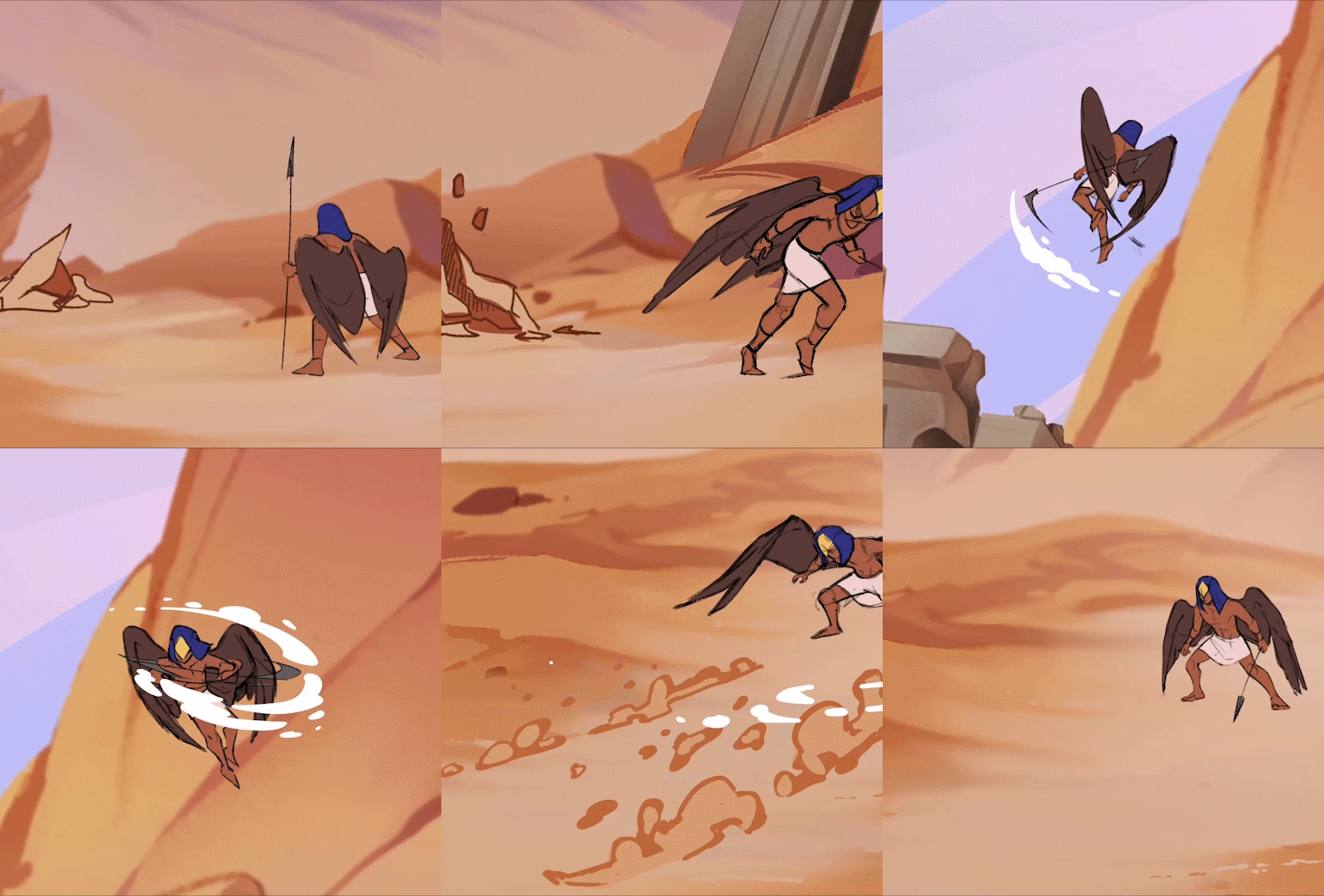

That bouncing ball might never make it into your demo reel, but the skills you learn from it will.
When you’re working toward a career in animation, it’s easy to look at a simple exercise and wonder how it connects to the work you actually want to create. You probably want to animate expressive performances or exciting action scenes. Spending hours adjusting the timing of a bouncing ball can feel tedious when you want to make something bigger.
But animation exercises are designed to build on each other.
You start with simple challenges so you can focus on a few skills at a time. Then you gradually add characters, complex movement, acting, storytelling, and production requirements. By the time you’re creating portfolio pieces, you’re combining skills that you’ve been developing since your earliest exercises.
The goal isn’t to fill your portfolio with beginner assignments. It’s to use those assignments to build the control you’ll need when the work gets harder.
Start With Control: What a Bouncing Ball Actually Teaches You
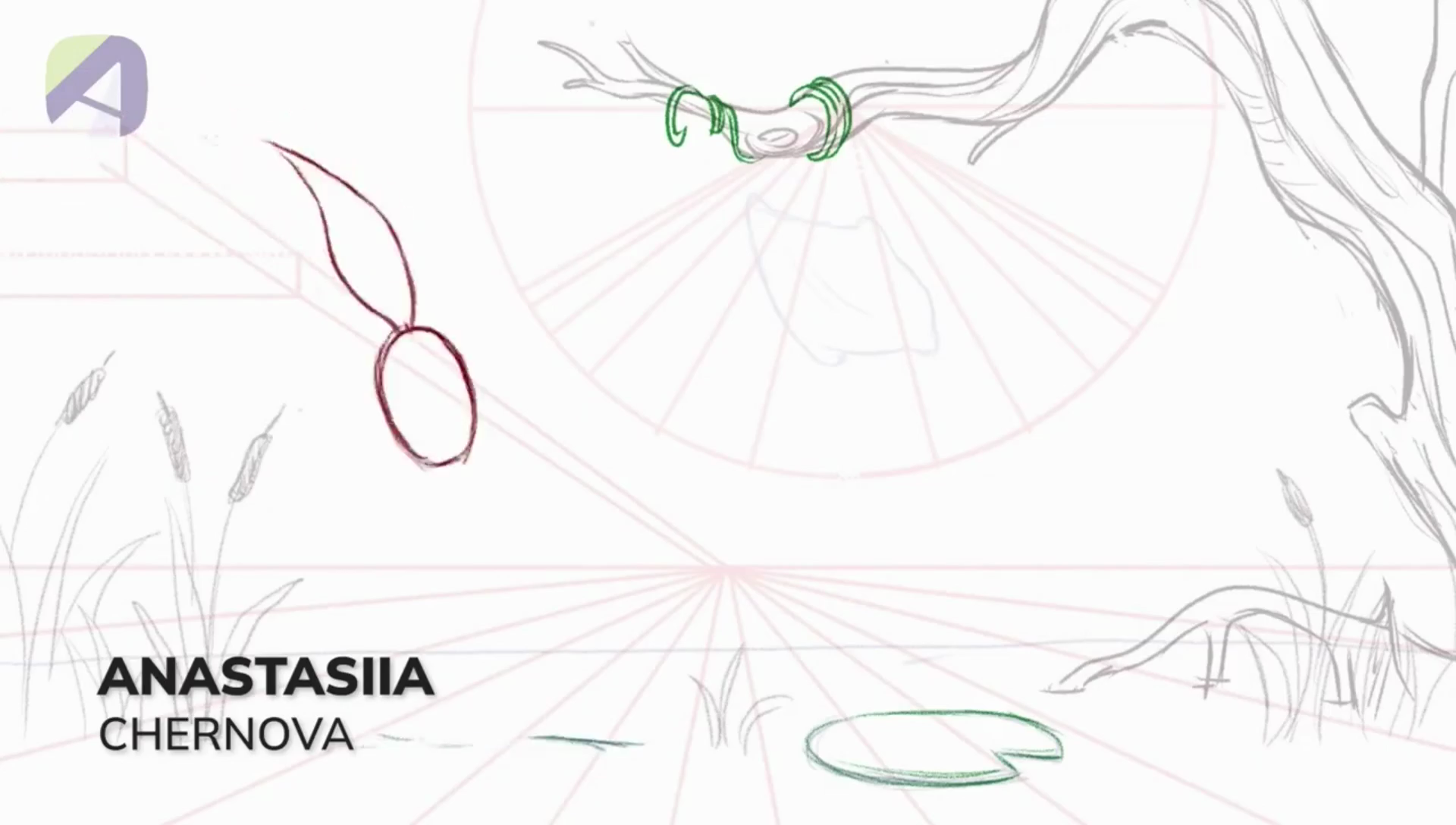
A bouncing ball looks simple because there’s very little competing for your attention. That’s exactly what makes it useful.
You don’t need to worry about anatomy, acting, facial expressions, clothing, or whether your character stays on model. You can concentrate on how movement works.
As you animate a bouncing ball and other foundational exercises, you can practice concepts such as:
- Timing and spacing
- Squash and stretch
- Arcs
- Weight
- Anticipation and follow-through
Once you understand those ideas in a simple exercise, you can start applying them to more complicated subjects.
A morphing pillow or flour sack, for example, introduces new challenges. Suddenly, you need to maintain volume and structure while creating movement that communicates more personality. As your assignments become more complex, the principles you learned earlier don’t disappear. You just add a little more to them.
In your future career, professional shots still rely on these fundamentals. A complicated action sequence may look nothing like a bouncing ball, but timing, spacing, weight, arcs, and clear movement still affect whether that shot works.
When something feels wrong in an advanced animation shot, the fix is usually related to one of these basic principles.
Ready to build your animation fundamentals? Explore our Traditional 2D Animation Basics course and start developing the control you’ll need for more advanced work.
Add a Character: A Walk Cycles Raise the Difficulty
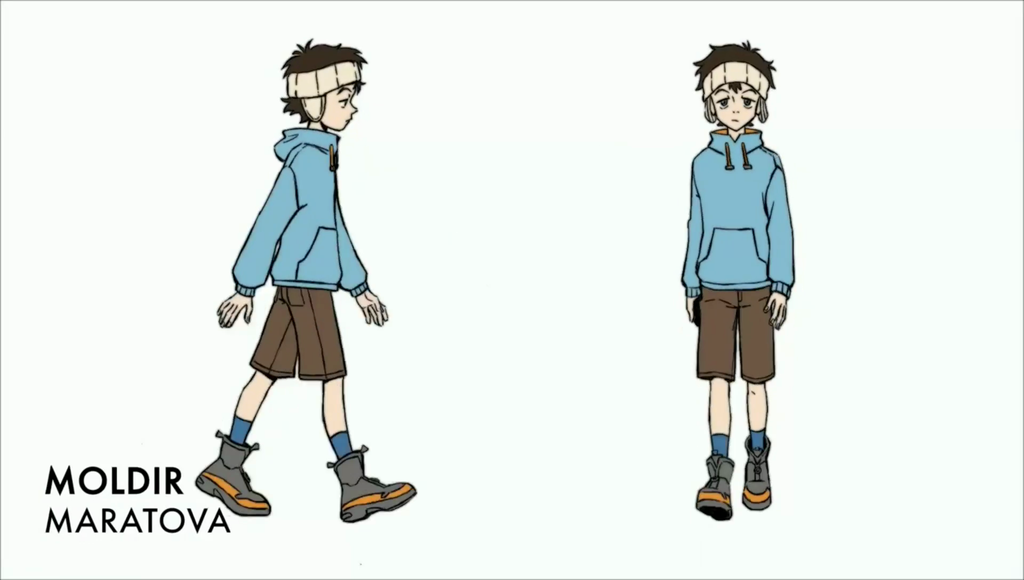
Once you understand how to control simple movement, you can start applying those skills to the human body.
One of the best places to start practicing this is with a walk cycle.
You move from controlling one simple object to coordinating an entire body with interconnected parts. The hips, legs, torso, arms, head, and feet all affect one another.
Your character needs to stay balanced while transferring their weight from one foot to the other. Plus, you can start to explore how you can communicate your character’s personality through the way they move.
As you move into exercises involving lifting, pushing, pulling, or action, the challenge grows again. You need to understand how the body responds to force and how to make physical effort convincing.
These exercises can help you practice:
- Shifting weight and maintaining balance
- Coordinating movement across the body
- Showing force and physical effort
- Creating clear, readable actions
- Understanding how one movement affects the next
These are practical skills for character animators. In production, you need to understand how a character moves through a scene and interacts with other characters or objects.
You aren’t just learning how to animate a walk cycle. You’re learning how to solve body mechanics problems that will appear in much more complicated shots later.
Want to take your fundamentals into more complex character movement? Explore Mechanics of Motion and develop a better understanding of weight, balance, force, and body mechanics.
Turn Movement Into a Performance
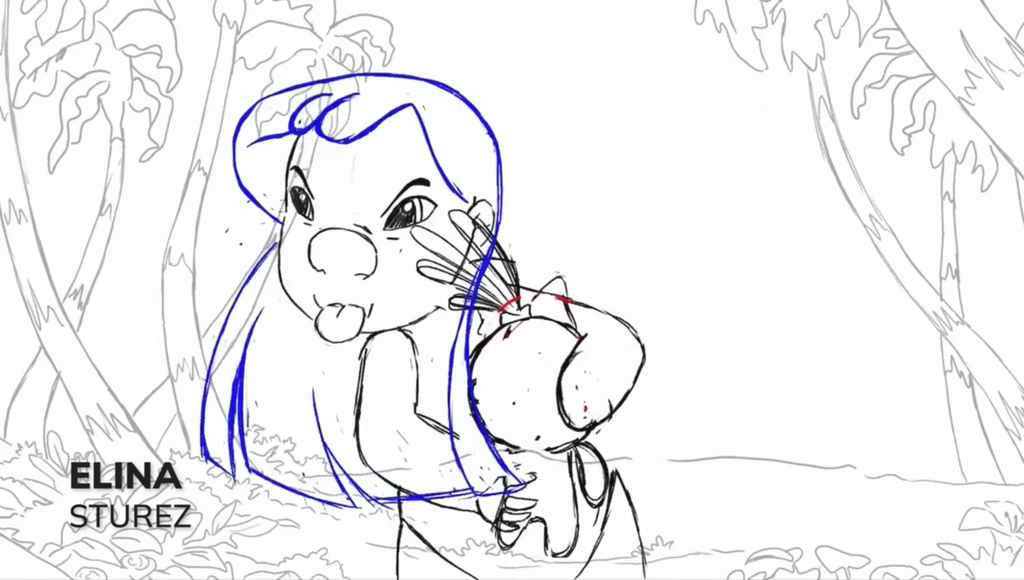
Once you know how to make a character move, you need to learn how to convey the reason they’re moving in the first place.
That’s where character acting comes in.
Imagine you’re animating a simple head turn. Mechanically, the character only needs to look from one direction to another. But once you introduce a performance, you have many more decisions to make.
Why are they turning?
Did they hear something frightening? Did someone they love walk into the room? Are they suspicious? Annoyed? Excited?
The answer can change the expression, pose, speed, body language, and overall feeling of the movement.
Acting exercises help you start making those choices intentionally. You can study reference, experiment with expressions, adjust the timing, and think about how smaller movements support what the character is thinking or feeling.
You can also start managing details like hair, clothing, props, and the background without letting those elements distract from the performance.
This is an important shift for your portfolio. Studios aren’t only looking at whether you can move a character from pose A to pose B. Character-focused work can also show how well you understand performance, emotion, intention, and storytelling.
Your earlier body mechanics will support a character’s performance and make it convincing as well as engaging.
Ready to make your characters perform? Explore our Acting course to develop character-driven shots that can show more of your storytelling and performance skills in your portfolio.
Put Everything Together in a Production
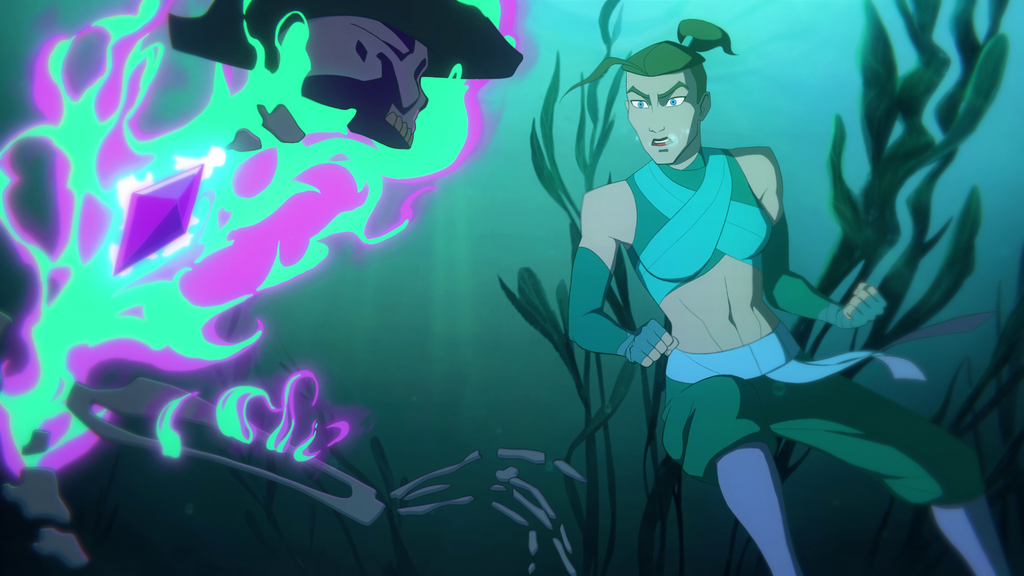
Individual exercises give you room to concentrate on your own shot. Production introduces a different challenge: your work has to fit into something bigger.
A short film may ask you to combine body mechanics, acting, staging, timing, and storytelling within the same scene. You also need to consider how your work connects to the shots around it and supports the overall direction of the project.
Then there’s the collaborative side of production.
You may need to respond to feedback, communicate with other artists, make revisions, follow established designs, and solve problems without losing sight of the larger project.
Suddenly, all the lessons you learned from those individual exercises are connecting together.
You’re no longer practicing timing simply to understand timing. You’re using it to make a story beat land. You aren’t studying body mechanics just to create a convincing lift. You’re using those mechanics to communicate what a character experiences in a scene.
Knowing how to animate is only part of the job. You also need to know how to apply your skills while contributing to a collaborative production if you want to work in a studio or a team.
A completed short film can give you portfolio work, but the experience behind that work matters too. As you work with a team of fellow artists, you’ll to understand how animation moves from individual shots to a finished project.
Want to put your animation skills to the test on a larger project? Short Film Creation gives you the opportunity to collaborate with other artists and experience a professional-style production process.
Use Mentorship to Find What You Need to Work on Next
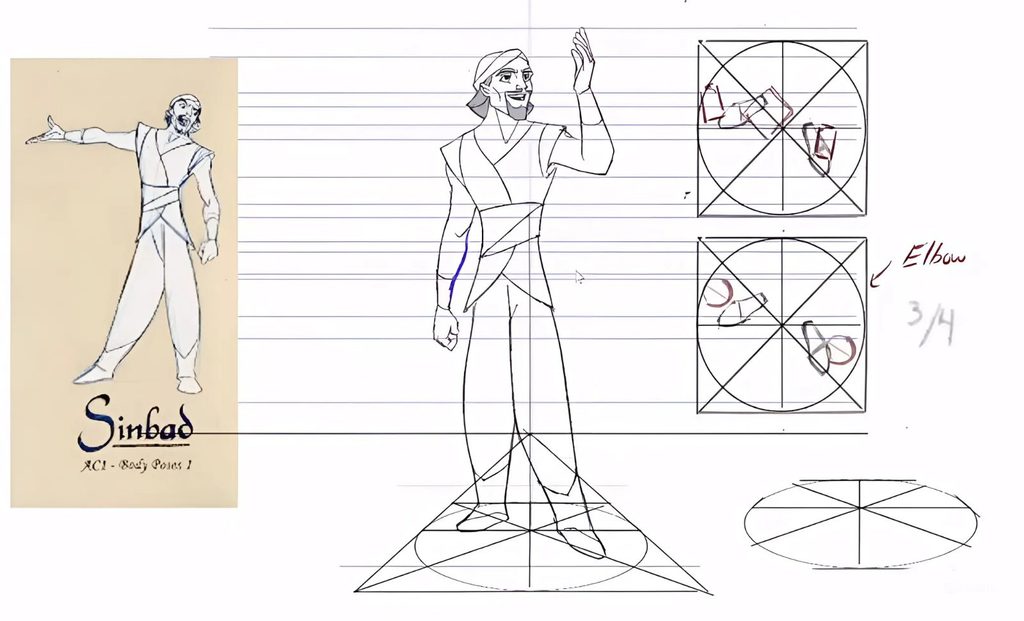
As your skills improve, figuring out what to practice next can become harder.
When you’re a beginner, the next step is usually obvious. You need to understand timing. Then weight. Then body mechanics. But once you can complete more advanced shots, you may struggle to figure out why a shot isn’t working.
Maybe your mechanics work, but your acting choices feel too safe. Perhaps your animation is technically polished, but your poses could communicate more clearly. Or maybe you have several good shots and aren’t sure which ones belong in your reel.
At this stage, doing more exercises or following more tutorials isn’t always enough. You need to understand which exercises and revisions will have the biggest impact on your work.
Personalized mentorship can help you identify those priorities.
Instead of following the same curriculum as everyone else, you can focus on your current goals. That might mean refining a demo reel, improving an existing project, strengthening a particular skill, or identifying habits that keep appearing across your work.
Feedback can also send you back to the fundamentals. An advanced shot may need a surprisingly simple fix. Better timing, clearer posing, stronger weight, or a more readable action can sometimes make a bigger difference than adding more complexity.
That’s another reason your foundational training continues to matter as you advance.
If you already have animation experience but aren’t sure what will move your work forward, our One-Month Mentorship gives you focused feedback and assignments based on your individual goals.
Your Portfolio Is Where the Progression Becomes Visible
Not every exercise you complete needs to end up in your portfolio.
In fact, many of them probably won’t.
Their value comes from what they teach you and how those lessons improve the work that does make the cut.
Think of the progression like this:
- Bouncing ball: Learn to control movement.
- Walk cycle and mechanics exercises: Understand how the body moves.
- Acting shot: Use movement to communicate character and emotion.
- Short film: Apply your skills within a larger production.
- Mentorship: Identify and refine the areas that need more attention.
- Portfolio: Show studios what you can do with everything you’ve learned.
Your early exercises are training grounds. They give you space to make mistakes, test ideas, try new techniques, and isolate problems before you face those same challenges inside a complicated portfolio shot.
That can also make you better at diagnosing your own work.
Instead of simply thinking, “This shot doesn’t look right,” you can start asking more useful questions. Does the character have enough weight? Is the timing helping the action? Are the poses clear? Does the audience understand what the character wants?
The better you understand the fundamentals, the easier it becomes to find the problem and make an intentional change.
Every Exercise Is Preparing You for Something Bigger
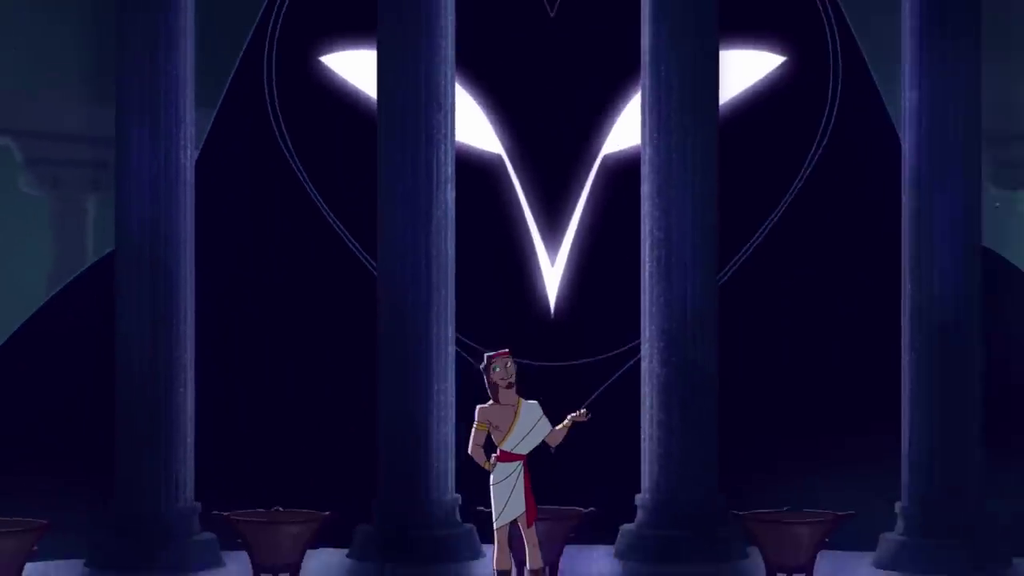
Your first bouncing ball and your latest portfolio shot may look completely different, but they’re more connected than they seem.
Each new exercise gives you another problem to solve. First, you learn to control movement. Then you apply those principles to a character. You add body mechanics, performance, storytelling, and eventually the demands of a larger production.
As your skills grow, you can use targeted mentorship to identify the areas that still need attention and decide where to focus next.
You don’t need to rush through that process just to reach the most impressive-looking assignment. Give yourself the time to understand what each exercise is teaching you.
The goal isn’t to master a single type of assignment or create the world’s most impressive pillow animation. You want to build a foundation.
When the shots get more complex, you need to be able to apply the skills behind those exercises. As you master them, your portfolio shots will get more polished, and you’ll move closer to the animation career you want.
Wherever you are right now, our courses can help you find the next skill you want to develop. You’ll practice and grow in a structured environment with industry experts and a community of aspiring animators.